Why small app events become interruptions
A notification turns an event inside an app into a demand on attention outside it. The phone may be locked, a conversation underway, or a task nearly finished; a banner or sound makes the app’s update compete with whatever the person was doing. Unlike opening an app to check for news, receiving an alert means the app chooses the moment of contact.
That choice is often made by software, not by a person weighing whether the update matters. Apps can send alerts when activity happens—when a user posts, starts a broadcast, or triggers another event the service is designed to report. The system can deliver the message promptly, but promptness is not the same as importance. A familiar name or social connection may make an update feel personally relevant even when it requires no response.
The cost is the attention shift
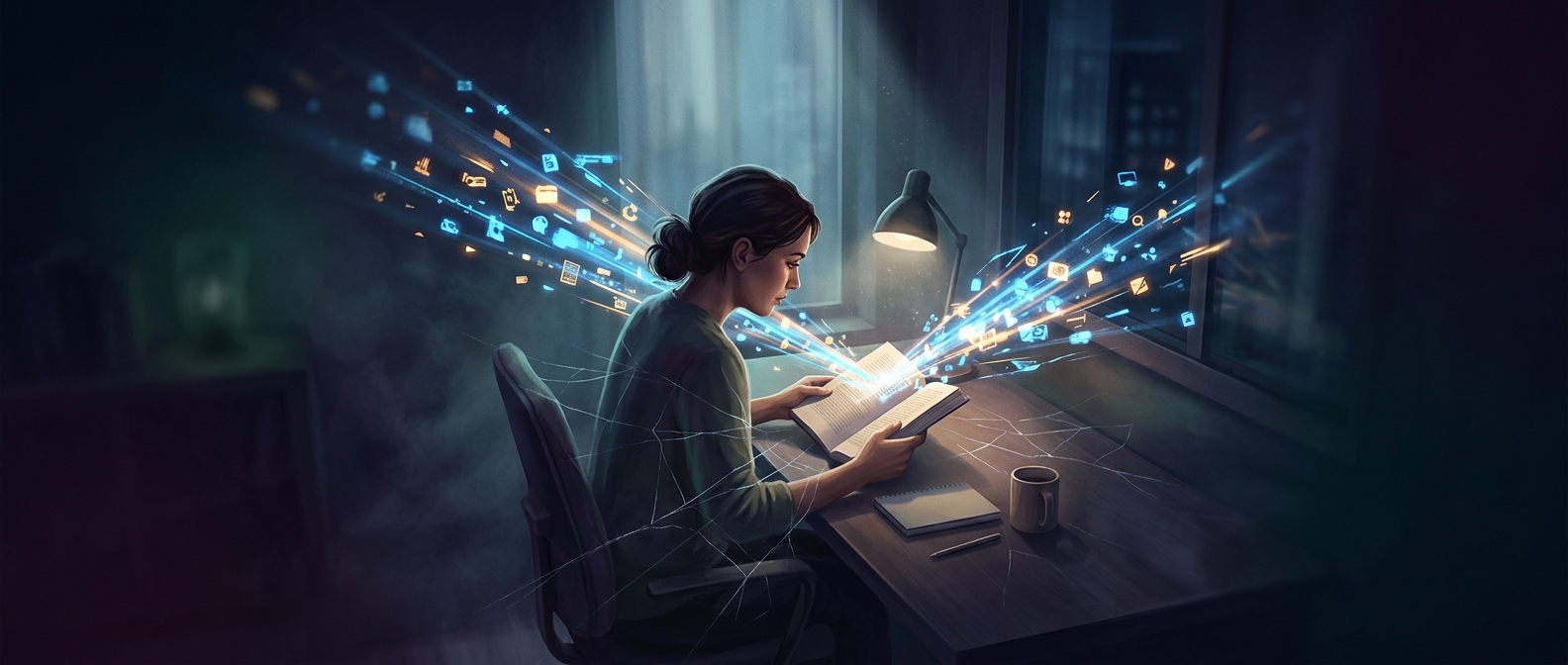
An interruption can break the thread of a task even if the recipient only glances at the screen and dismisses the alert. Attention has to move from the original activity to the notification and then back again. The message itself may be trivial; the disruption comes from making the recipient decide, in that moment, whether to ignore it, investigate it, or respond.
For entertainment and social apps, frequent alerts can also keep the service present between visits. The design tradeoff is straightforward: timely prompts may help people notice activity they care about, but broad or low-stakes prompts spend some of their attention on events that could have waited. A notification’s urgency is a presentation choice, not proof that the underlying event is urgent.