An ending built into the game world
When the original Final Fantasy XIV was nearing its shutdown, its creators faced a problem more unusual than taking a game offline: how to end a persistent online world without making the closure feel like a switch being flipped outside the story.
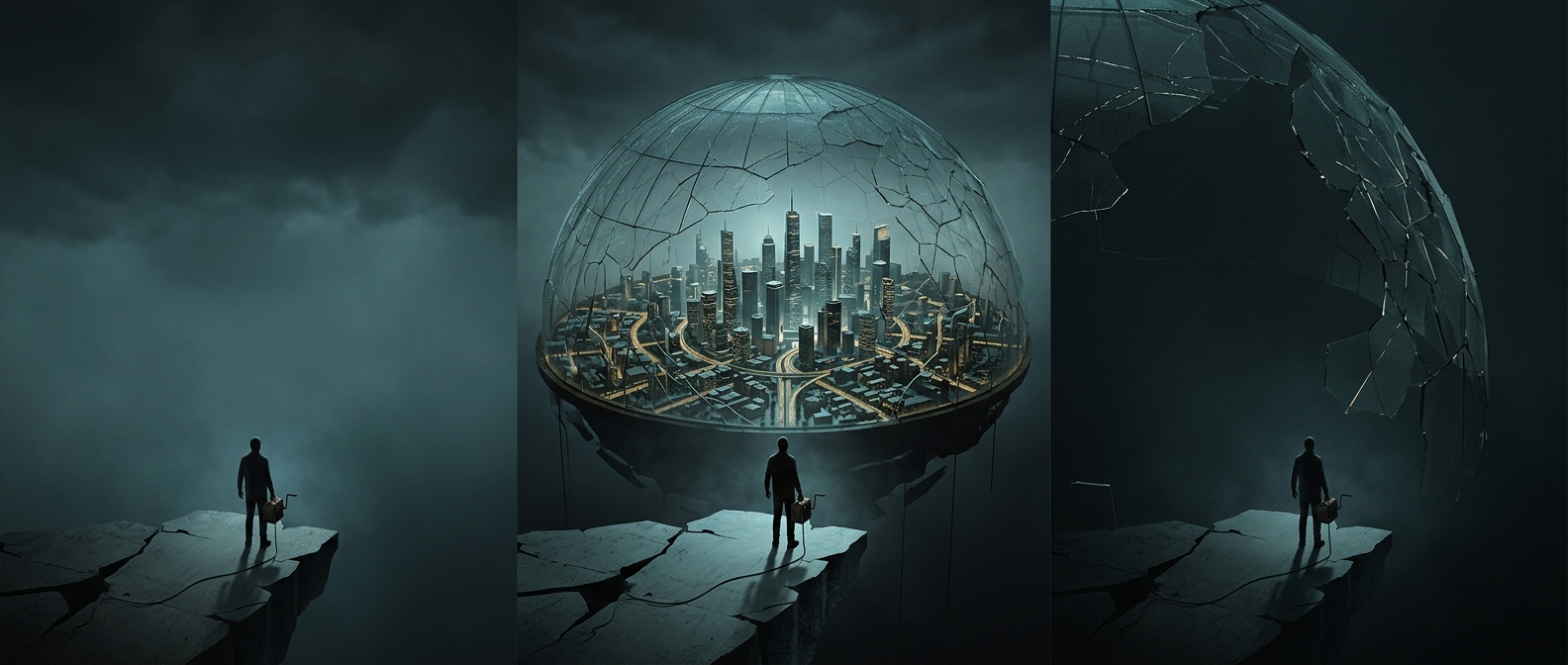
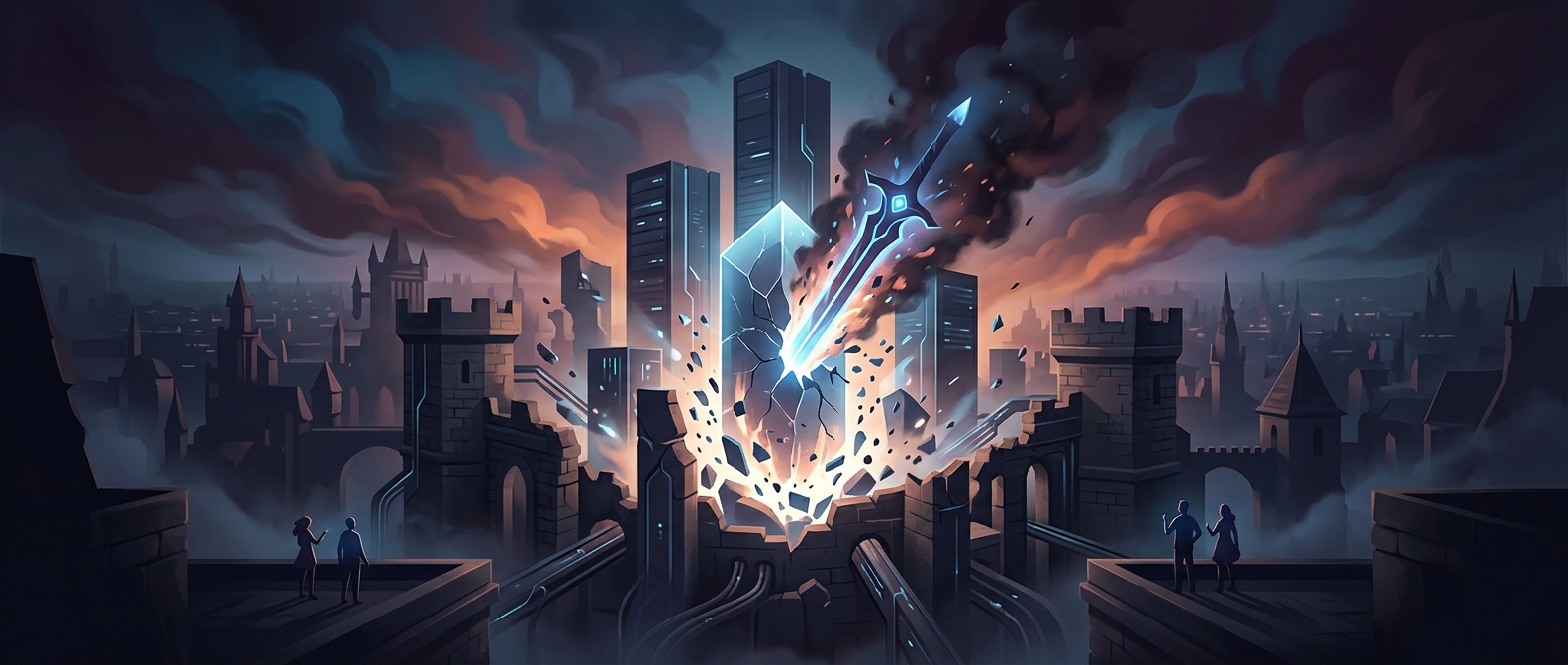
They made the shutdown part of the fiction. In the game’s apocalyptic finale, the moon Dalamud falls toward the land of Eorzea. It breaks open to reveal Bahamut, a powerful dragon, whose attack devastates the world. The catastrophe gave players a story reason for the original version of the game to end—and for the setting to return in altered form.
What “destroyed the map” meant
The event did not literally erase a map while players watched every location vanish. It established a fictional disaster that could explain a major change in the game: the original Final Fantasy XIV servers went offline, and the world players entered later was presented as Eorzea after the calamity.
That distinction mattered. An online role-playing game is both a story and a service. If the service closes but the story simply stops, the ending can feel abrupt. By tying the closure to an event inside the world, the developers could make the transition part of the series’ shared history rather than treat it as an unrelated technical decision.
A reset with a lasting consequence
The original game’s end became the bridge to Final Fantasy XIV: A Realm Reborn, a rebuilt version released in 2013. The disaster did not just provide a dramatic finale; it gave the new game a reason to begin after a rupture in Eorzea’s history.
So the world-ending story did double duty: it closed one version of the game while making the next version’s changed world feel like a continuation, not a replacement.