How World War I Put Watches on Men’s Wrists
Before World War I, many men who carried a watch kept it in a pocket, while wristwatches were more often marketed as women’s accessories. The distinction was about fashion as much as function: a pocket watch suited formal menswear, and a watch worn on the wrist could look like jewelry.
A Practical Tool in the Trenches
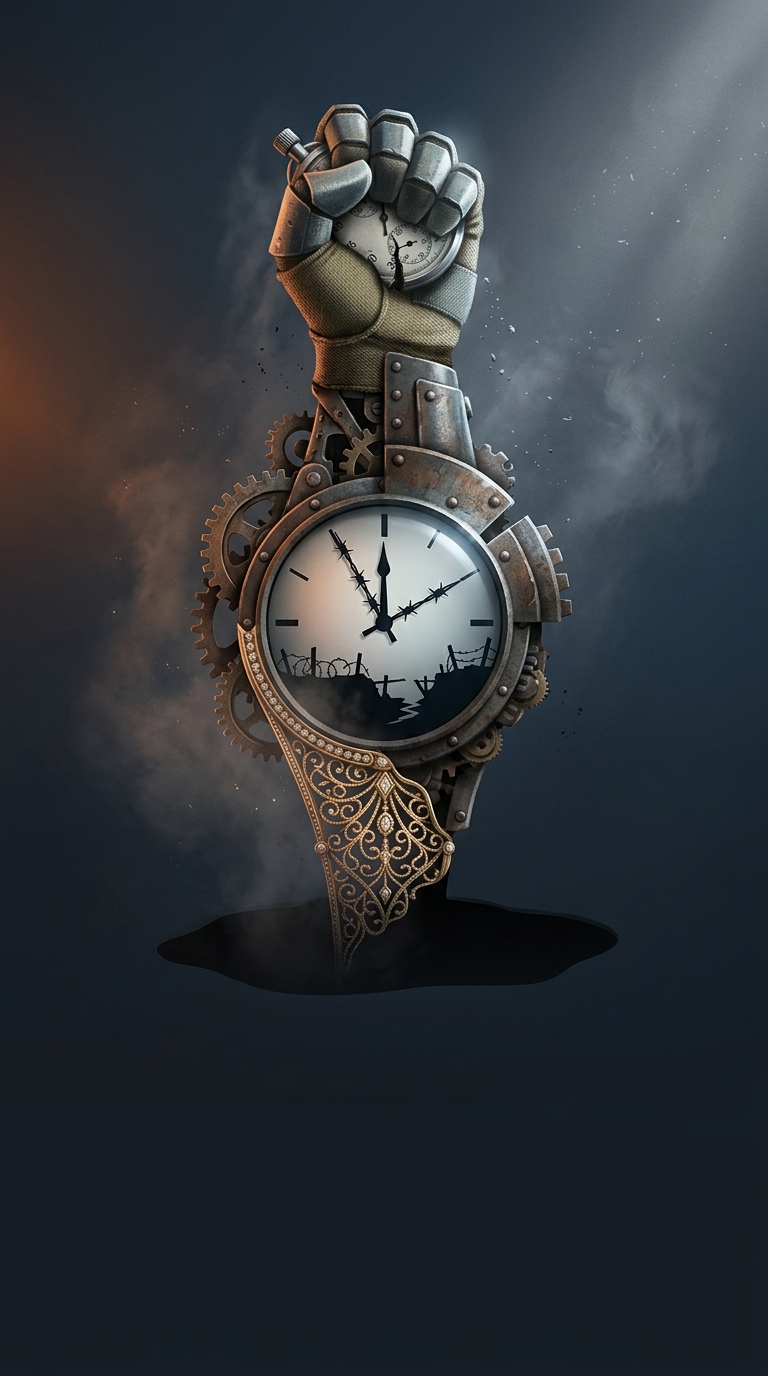
War made that convention harder to keep. Soldiers and officers often needed to check the time while moving, handling equipment, or coordinating with others. Reaching into a pocket could be awkward; a watch strapped to the wrist was easier to glance at without tying up a hand.
Wristwatches had existed before the war, but military needs made their usefulness more visible. Manufacturers and wearers adapted watches for wrist use, including by fitting watch cases with straps or protective fittings. The wristwatch became a practical instrument, not merely an ornament.
From Battlefield Utility to Everyday Style
After the war, returning servicemen helped carry the wristwatch into civilian life. Its association with military use gave it a new masculine image, and makers increasingly offered wristwatches to men. Pocket watches did not vanish overnight, but the social meaning of the wristwatch had changed.
The lasting shift was simple: a watch on the wrist came to signal readiness and convenience rather than femininity. A tool that let someone check the time at a glance had reshaped what men considered acceptable to wear.