Why a Tap Can Jolt a Player’s Neck
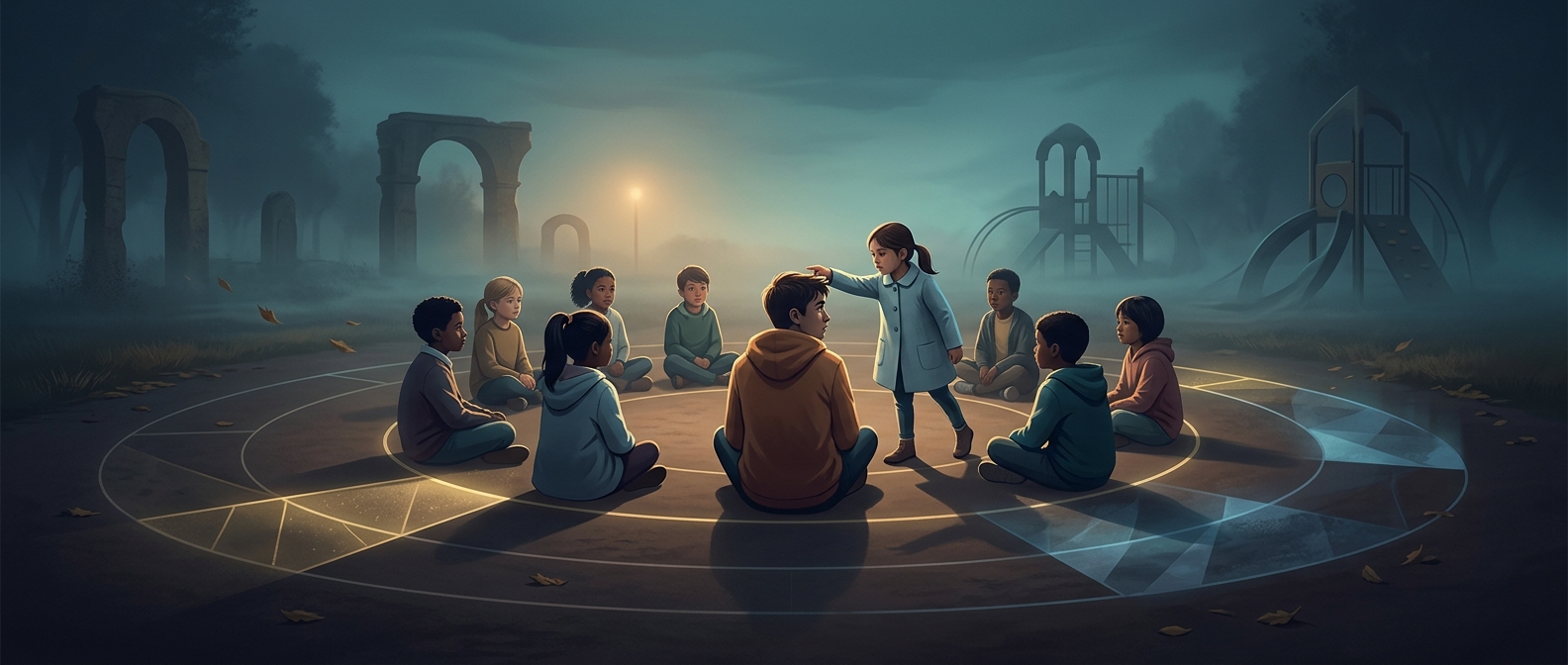
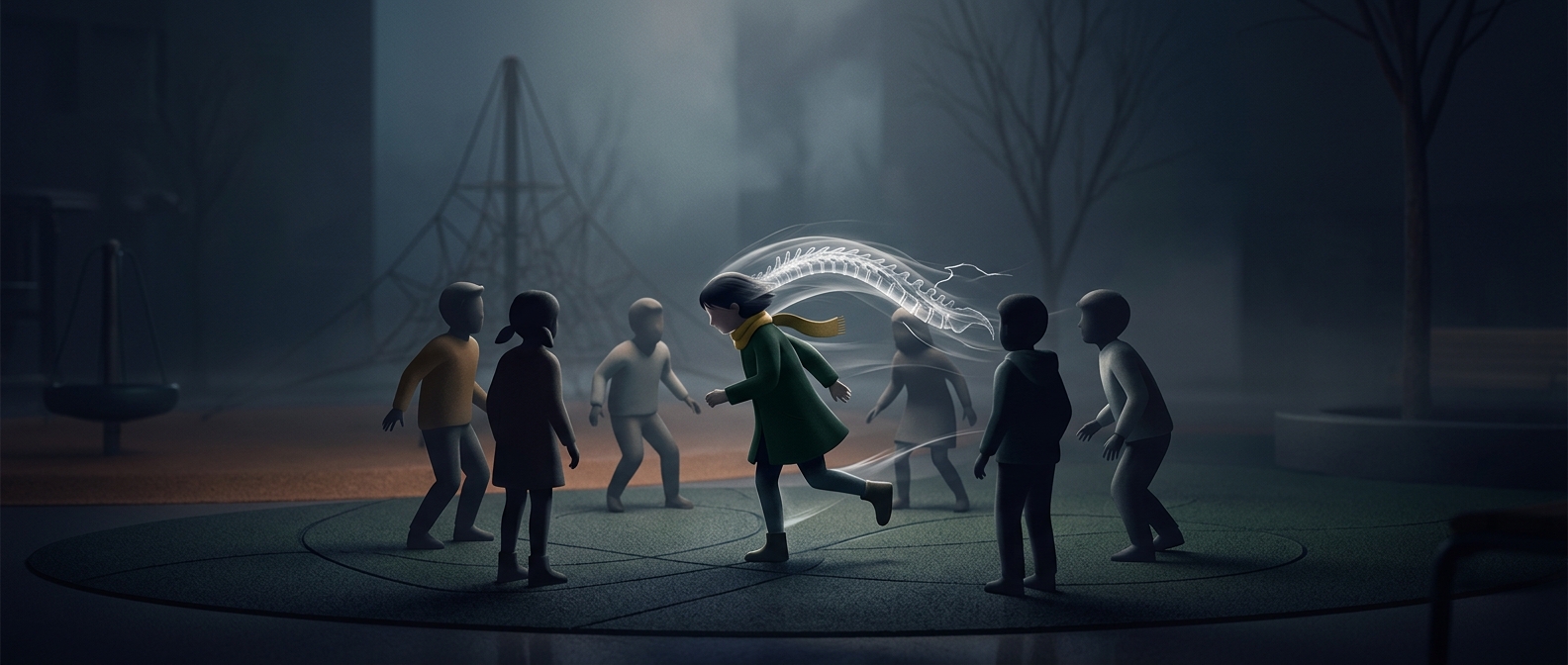
In Duck Duck Goose, the tapped player may have been sitting quietly with their head balanced over their shoulders. The cue to chase can prompt a quick stand, turn, and burst into a run. When the body starts moving abruptly, the head may lag for a moment because it has its own mass and the neck has to guide and stabilize it. That brief mismatch can make the head feel as if it snaps backward or sideways.
The jolt is more noticeable when the player is surprised, looking in another direction, or rising from an awkward position. A sudden twist combined with a forward push asks the neck to control movement in more than one direction at once. “Whiplash” is often used casually for that sharp, unexpected jerk; it does not by itself mean the player has suffered a medical whiplash injury.
The Game’s Sudden Change of Pace
The game’s tension comes from switching instantly between waiting and chasing. The seated players must stay alert, but they cannot know when the tap will come or whether they will be the one chosen. That surprise makes the chase exciting—and can leave little time to brace before standing.
A player who turns their head toward the tapper before getting up, then rises and accelerates in a controlled way, gives the neck less abrupt motion to manage. The small pause does not spoil the chase; it simply replaces a startled lurch with a more deliberate start.