How a nursery rhyme acquired a plague story
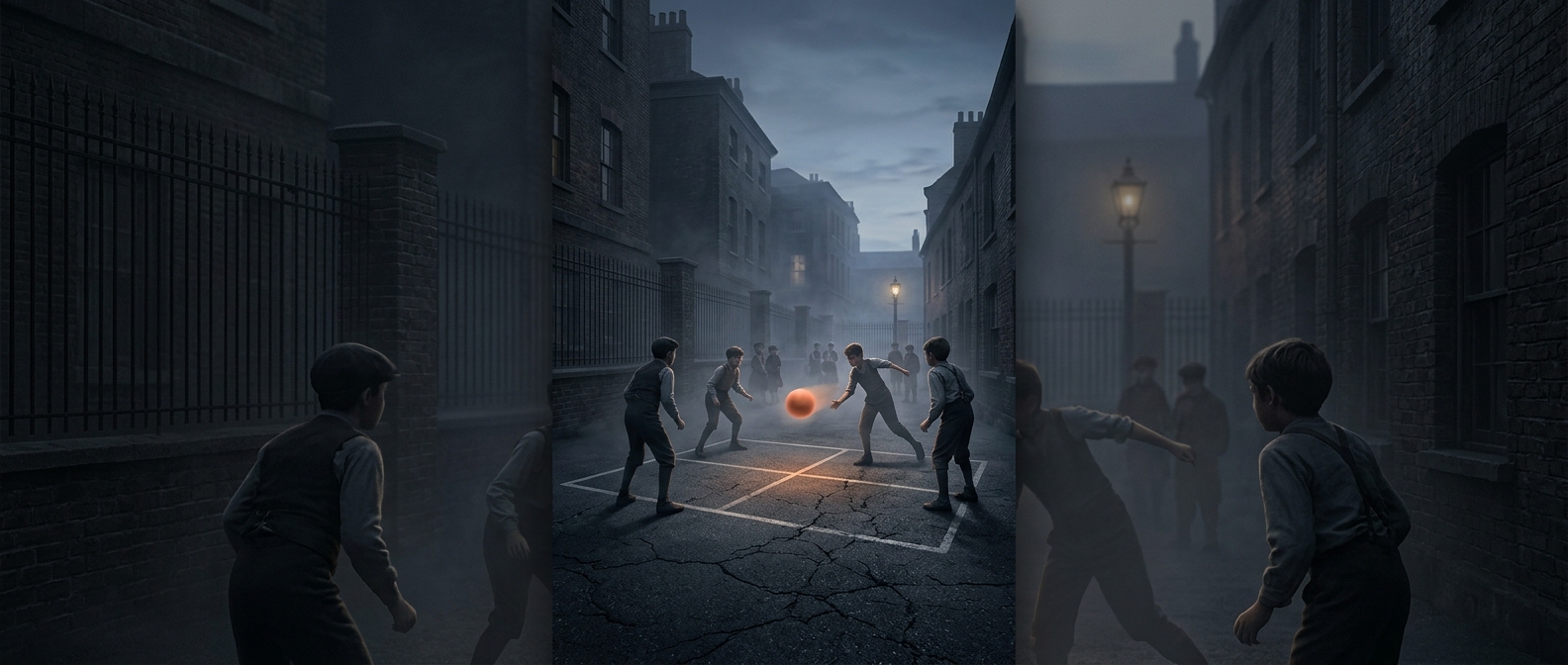
The familiar explanation treats the rhyme as a coded account of epidemic disease: the “ring” becomes a rash, the “posies” become protective herbs, and the fall at the end becomes death. But that reading was attached to the rhyme centuries after the plague outbreaks it supposedly describes. Writers in the mid-20th century popularized the connection; it was not the rhyme’s original meaning.
Why the interpretation sounds convincing
The story works by assigning a medical meaning to each fragment. A rosy ring can be made to resemble a rash, and a line about falling can be made to suggest mass death. Once those pieces are assembled, the rhyme seems to preserve a grim historical memory.
That is a satisfying pattern, but a satisfying pattern is not evidence of origin. Children’s rhymes change as they pass from person to person, and versions of “Ring Around the Rosie” have varied. A later explanation can fit selected words without showing that the words were created to describe plague.
A memorable tale, not a hidden diagnosis
The plague account spread because it turns a playful circle game into a miniature historical drama. Its vividness helped it stick, even though the rhyme’s actual beginnings are not established by that interpretation. The next time the children tumble at the end, the scene need not be read as a secret record of an epidemic—it can simply be part of the game.