How Two Ropes Turned Jumping Into a Group Game
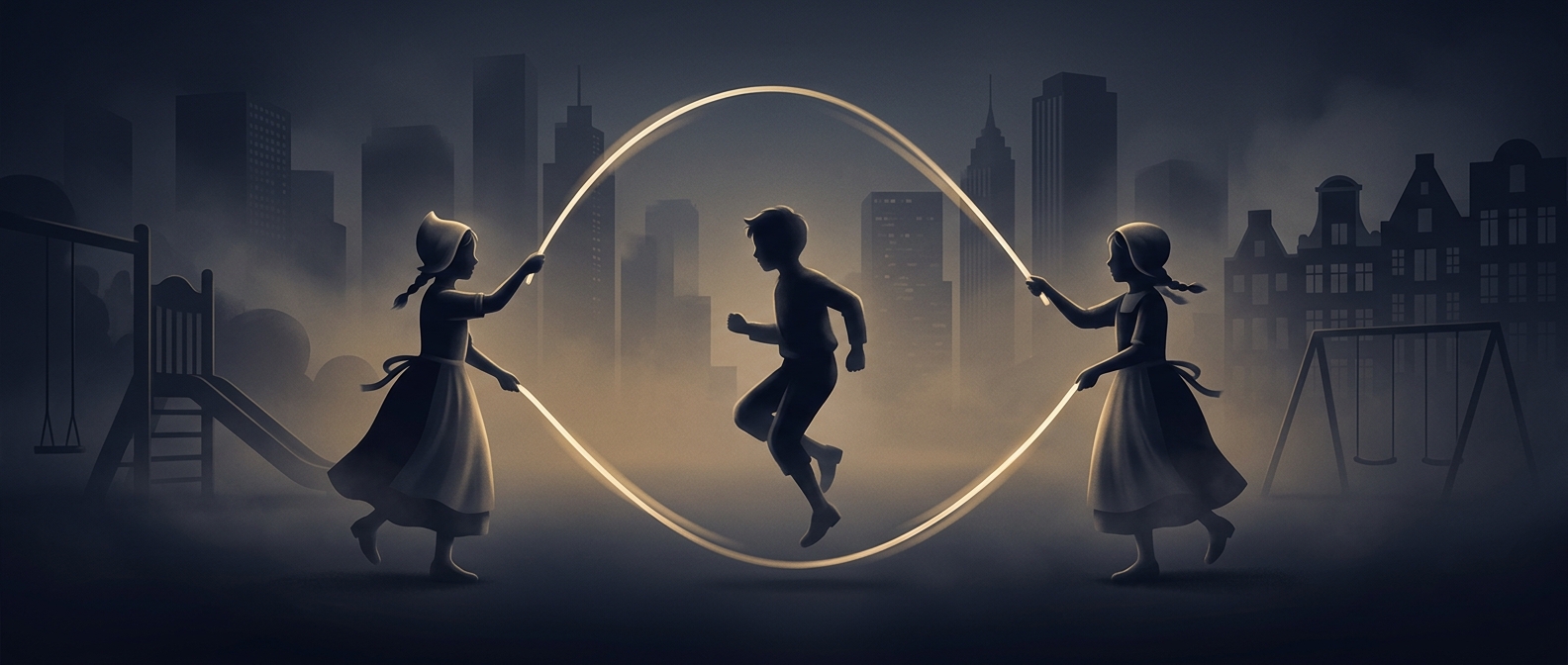
Dutch settlers carried rope-skipping customs to the American colonies, where the two-rope form later known as Double Dutch took shape as a shared pastime. Its defining feature is not simply having two ropes: the turners swing them in opposite directions, creating a steady pattern of openings for a jumper in the middle.
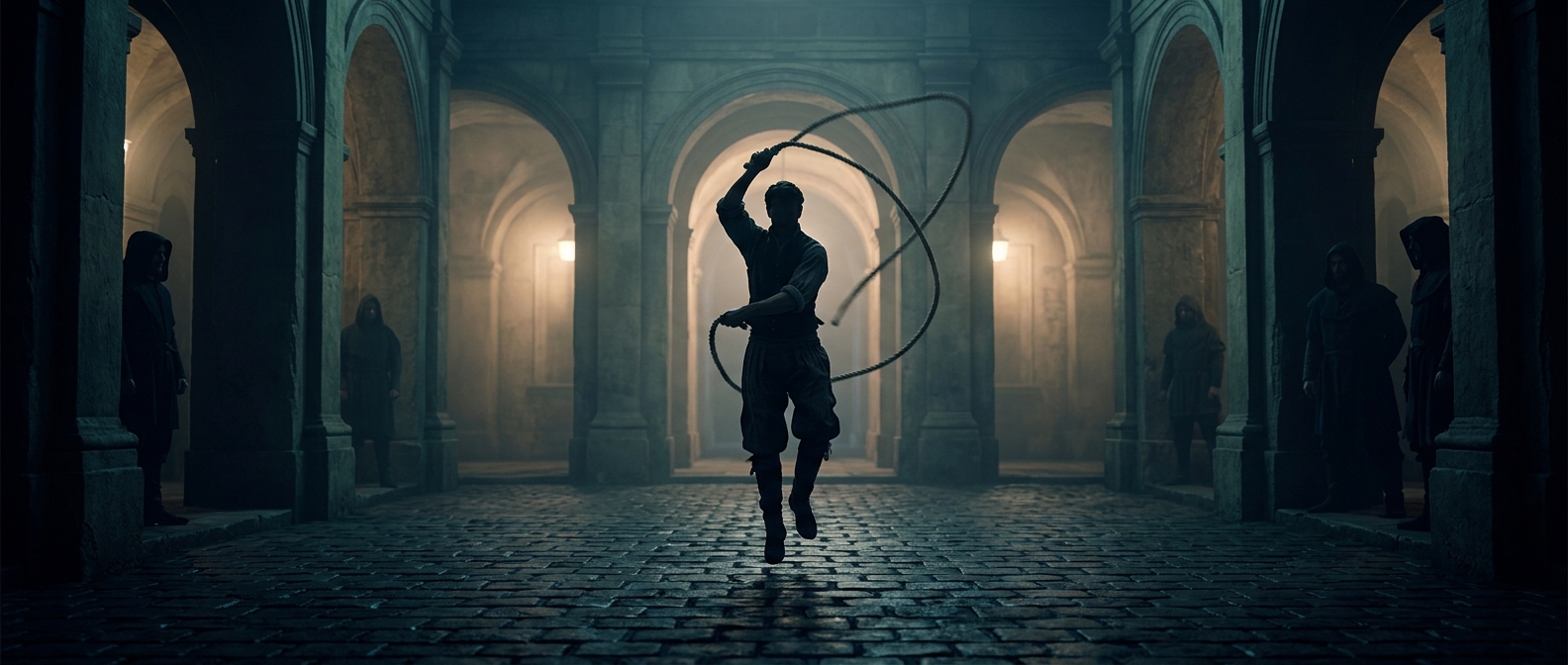
That pattern makes the game a small exercise in timing. A jumper watches the ropes cross and enter the ground, then steps into the brief gap between them. Once inside, the challenge is to keep moving with the rhythm while the ropes pass underfoot and overhead. A mistimed step can stop both turners, so the jumper and rope-turners have to work as a team.
From a Carried Custom to a Street Pastime
As the game spread, it fit naturally into places where children could gather and play with little equipment. Two people could turn the ropes while another jumped; players could rotate roles, and experienced jumpers could add faster steps or tricks. The ropes made a shared rhythm visible and audible, giving the group an immediate way to coordinate.
That combination helped Double Dutch become more than a test of individual jumping skill. Its performance depends on everyone maintaining the beat: the turners set the pace, and the jumper reads it. The memorable spectacle comes from that cooperation—two ropes moving in opposing circles while one person finds a path through the middle.