A Change of Direction Turns a Chase Into a Timing Game
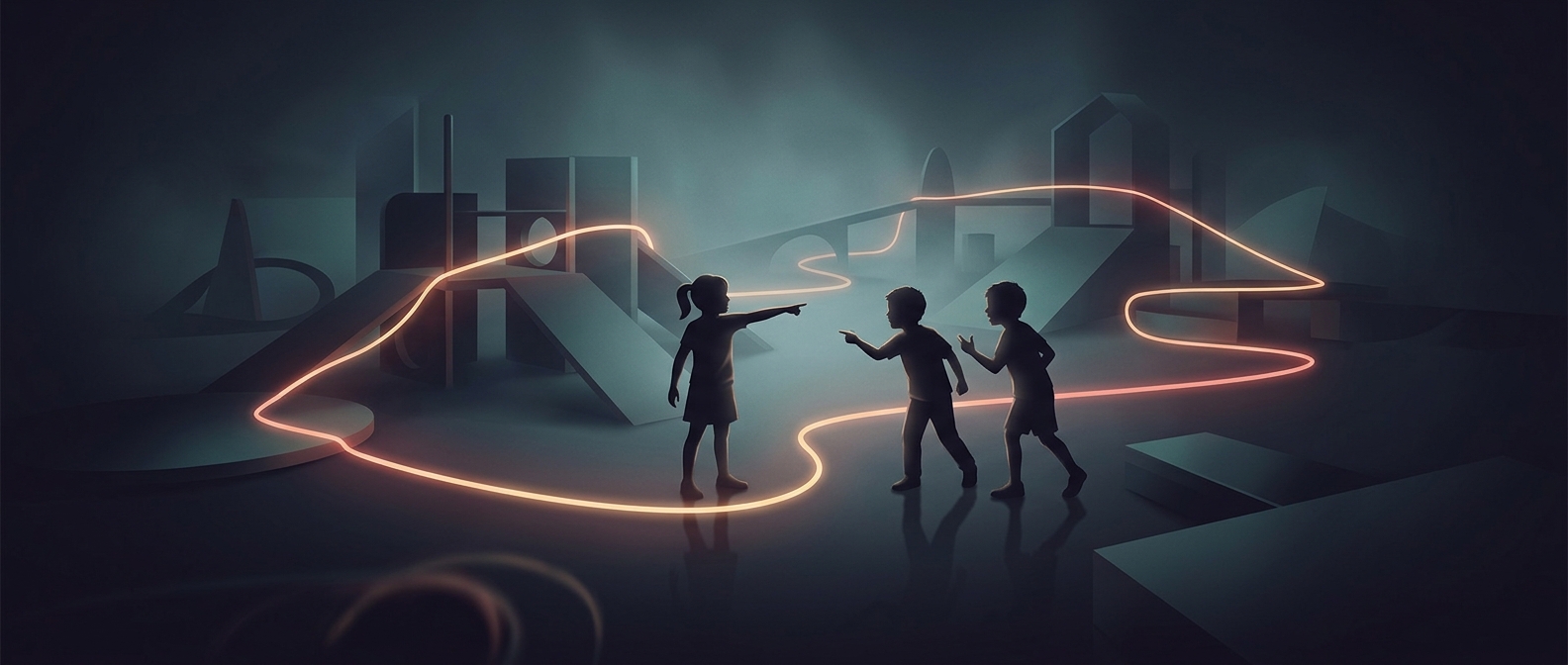
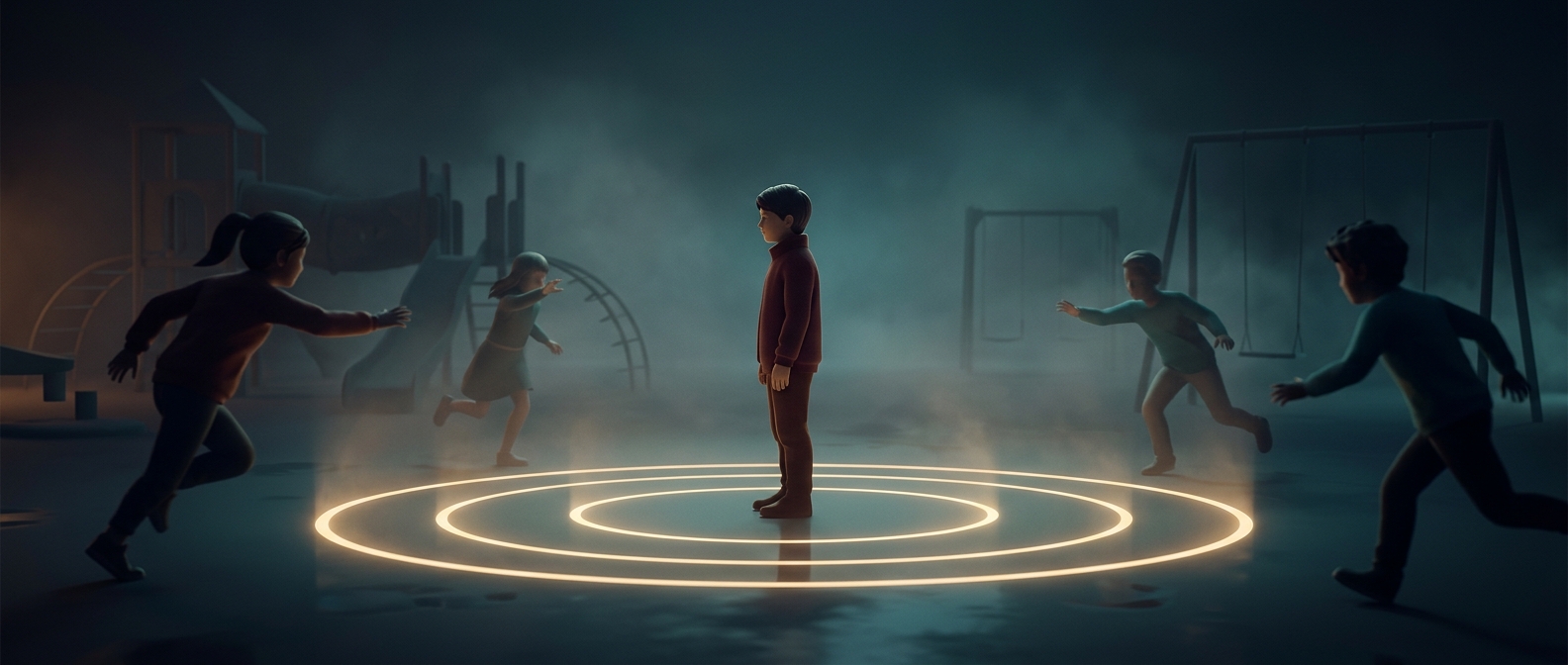
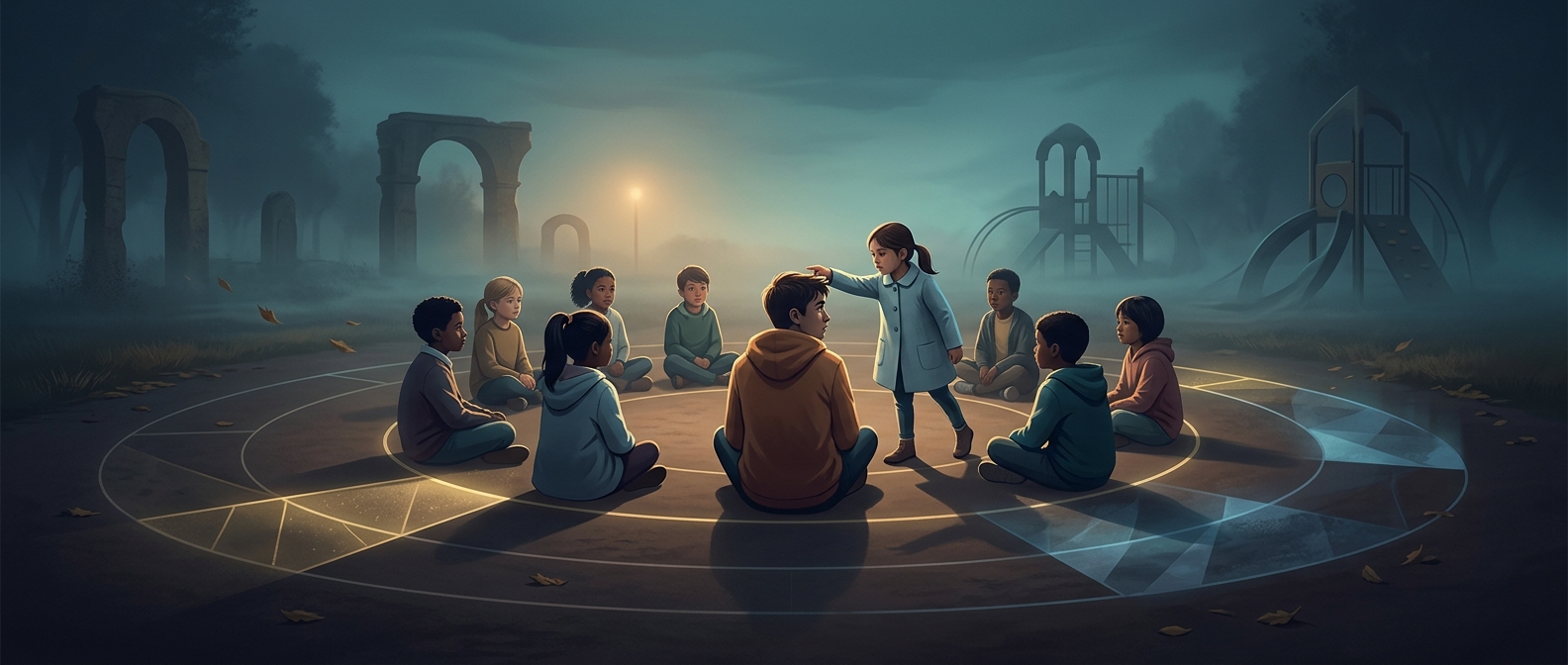
In the familiar version of Duck Duck Goose, the chosen player chases the picker in the same direction around the circle. Both are aiming for the open place, so the outcome depends mostly on who can run faster and reach it first. Sending the chosen player the other way changes the problem: the two runners may meet before either reaches the gap.
That meeting point makes the circle itself part of the game. A player who is moving quickly must watch not only the empty seat but also the approaching runner, then decide whether to slow down, dodge, or try to slip past. The chase becomes less predictable because the runners’ paths converge instead of following one another.
The Rule Changes the Kind of Risk
The opposite-direction version can create a collision, especially when players are close together or the circle is crowded. Same-direction play keeps the runners on a shared track; opposite-direction play asks them to pass in a much smaller space. That is a meaningful design tradeoff: the variation adds surprise, but also makes clear space and careful movement more important.
For children playing indoors or in a tight circle, a group may choose a rule that avoids head-on running. A small change in direction can therefore alter not just who wins the round, but how much room the game needs and how cautiously everyone has to move.