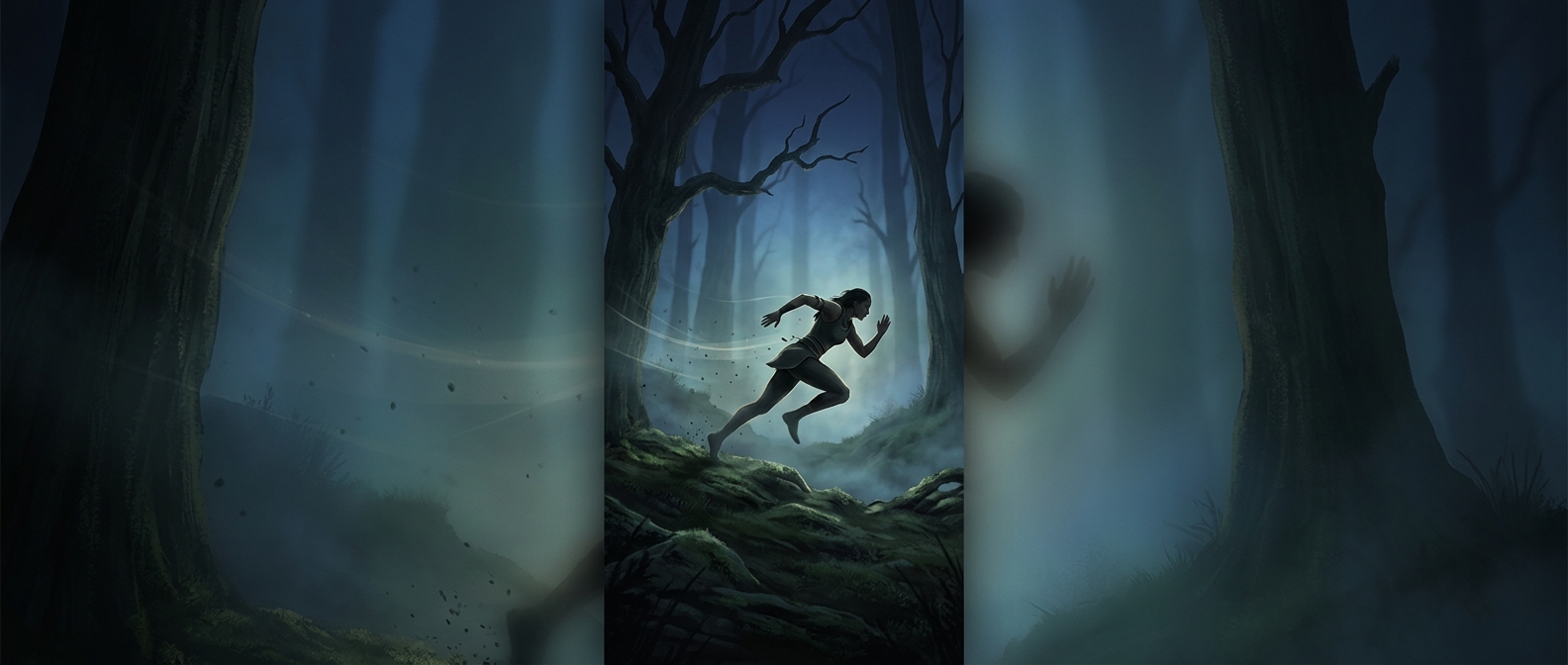
Why a Safe Zone Changes the Chase
A safe zone is more than a place to catch your breath. It creates a temporary boundary in a game whose central rule is that a chaser can tag a runner almost anywhere. Once a player reaches the designated base and calls it in time, the chase stops: the chaser cannot tag them there.
That rule gives runners a reliable refuge, but it also gives the chaser a reason to watch the route to it. A player who bolts for base may be safe once they arrive, yet the dash itself is still part of the chase. The game’s tension shifts from simply escaping to judging whether the refuge is close enough to reach.
The Boundary Has to Be Clear
For the protection to work, players need to agree on what counts as reaching base and when a player must call it. Otherwise, a runner and chaser can disagree over whether a tag happened first. A clearly marked area—or an agreed spot such as a tree or wall—makes the rule easier to apply while play is moving quickly.
The same clarity matters when a player leaves. Safe means protected while in the zone, not immune for the rest of the game. Once the runner steps back out, the chase can resume. That creates a choice: stay put and wait, or leave the refuge and risk being tagged again.
Because the base removes the chaser’s power to tag within its boundary, it can briefly reset the action. The refuge is secure, but reaching it—and deciding when to leave—keeps the game moving.