When a Chase Was Practice
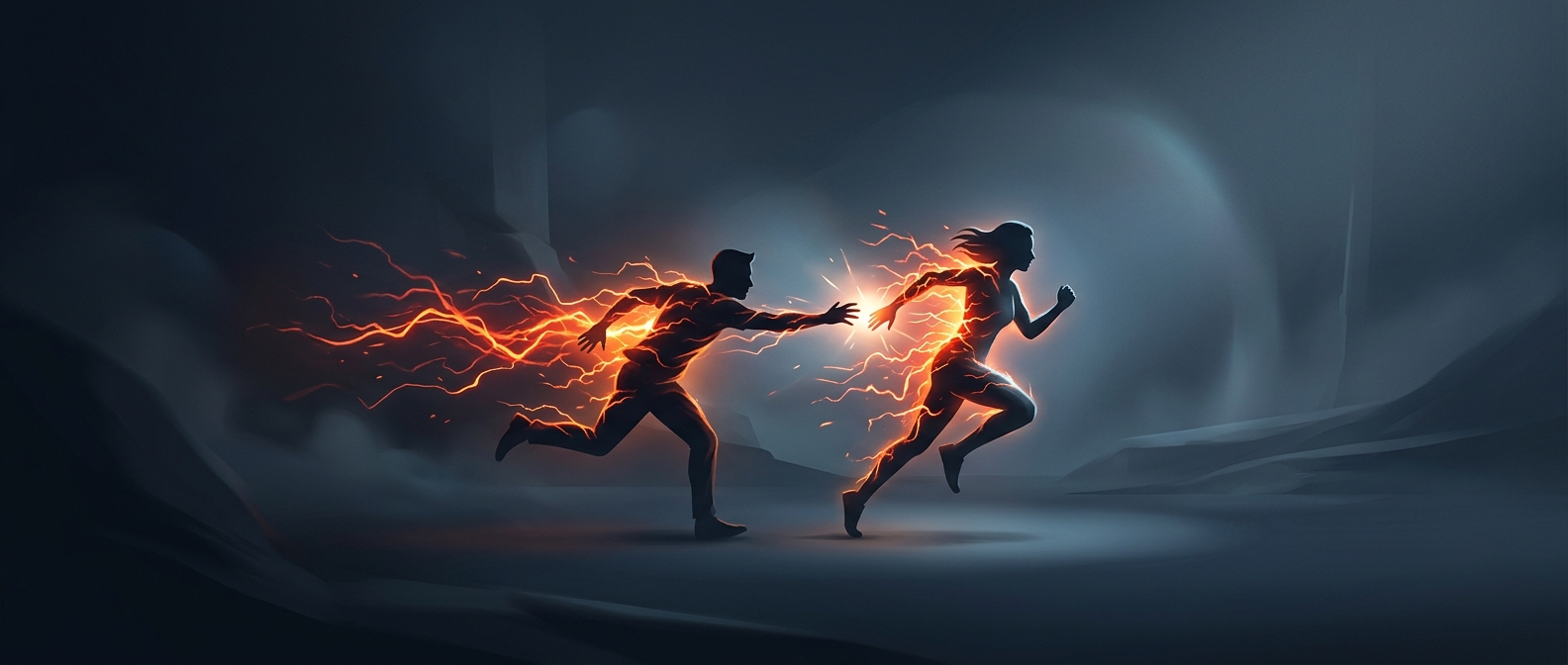
A hunting exercise had a practical goal: someone had to pursue a moving target, while the target tried to escape. That setup trained attention, speed, timing, and the ability to anticipate another creature’s movements. The chase mattered because a successful catch could mean food; it was not simply a contest for its own sake.
The Catch Becomes the Point
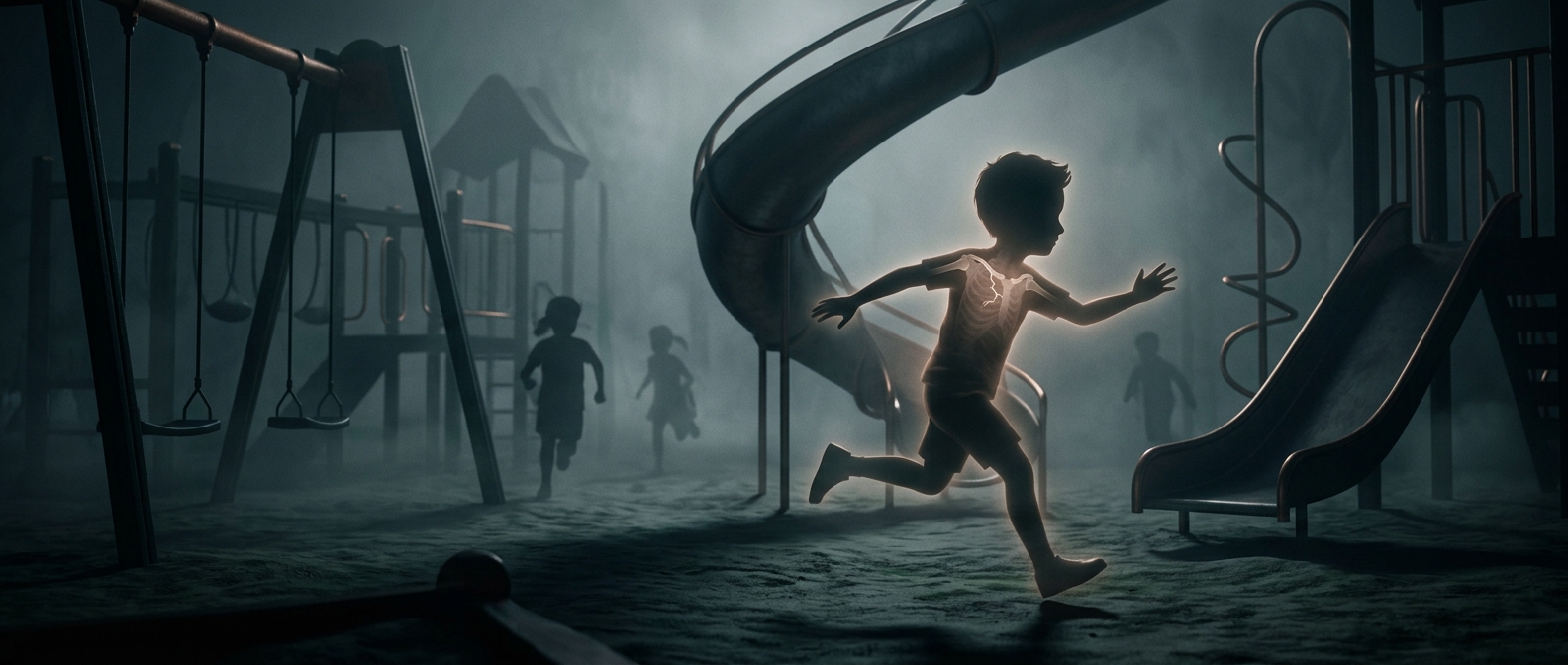
In tag, the same basic pattern survives, but the consequence changes. One player pursues; another dodges. A touch counts as a catch, and the players switch roles or continue under agreed rules. The pursuer still has to close the distance, while the runner watches for openings and changes direction to avoid being caught.
Those rules turn a dangerous pursuit into a bounded game. The target is no longer killed, and the chase takes place among players who know when it starts, what counts as a catch, and when it ends. The physical challenge remains, but its stakes are made safe enough for play.
A Familiar Game, Recast
That transformation helps explain why tag feels so immediate: its central action—chasing and escaping—needs little equipment or instruction. A grim practical exercise can become a children’s game simply by changing what “catching” means. In tag, the decisive moment is not a kill; it is the light touch that sends the chase moving in the opposite direction.