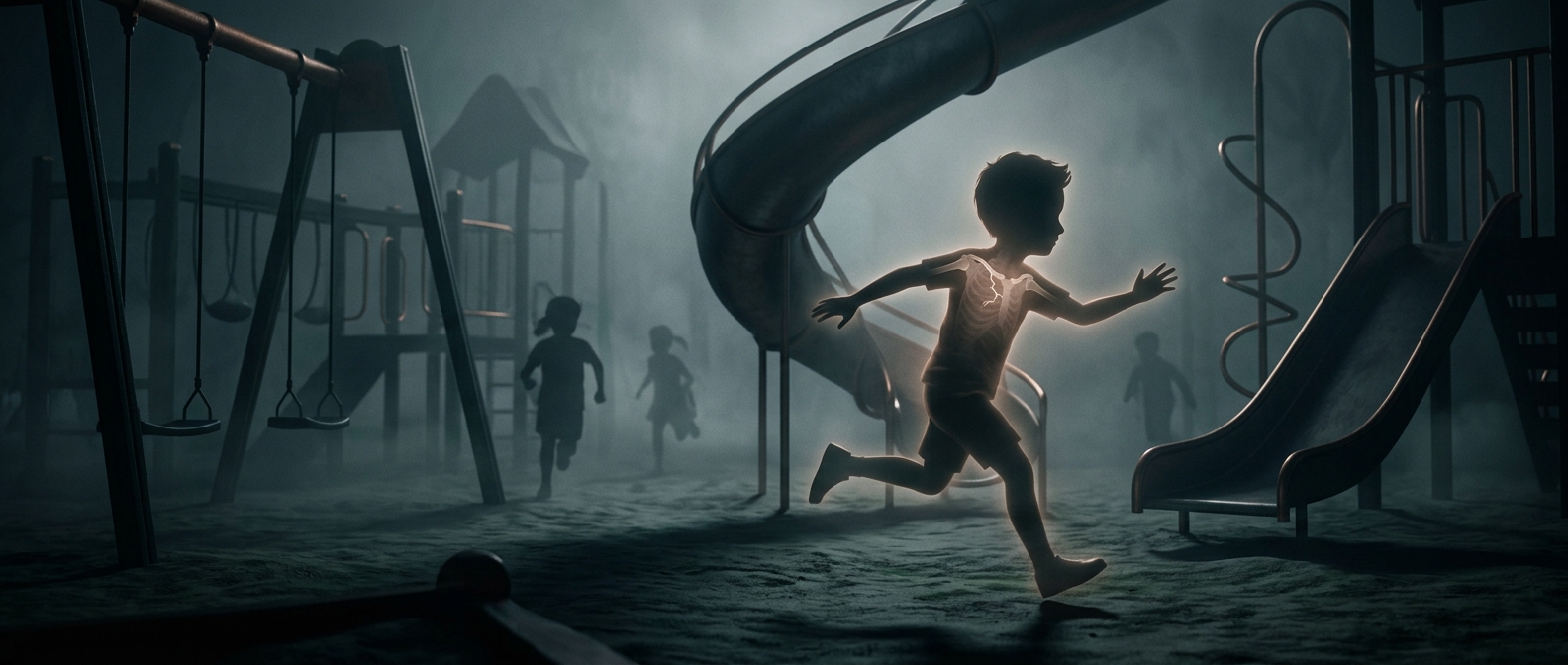
How a Fall During Tag Can Break a Collarbone
A child who trips while sprinting may land hard on the side of the shoulder or reach out with a hand to catch the fall. Either impact can send force through the arm and shoulder to the collarbone, the slender bone connecting the breastbone to the shoulder. If the force exceeds what the bone can withstand, it can fracture.
The collarbone sits close to the skin and helps hold the shoulder in position, so a hard landing can injure it even without a direct blow to the bone. A fracture may cause pain, swelling, and difficulty lifting the arm; suspected breaks need medical assessment rather than a quick return to play.
Why Tag Raises Risk—but Does Not Guarantee Injury
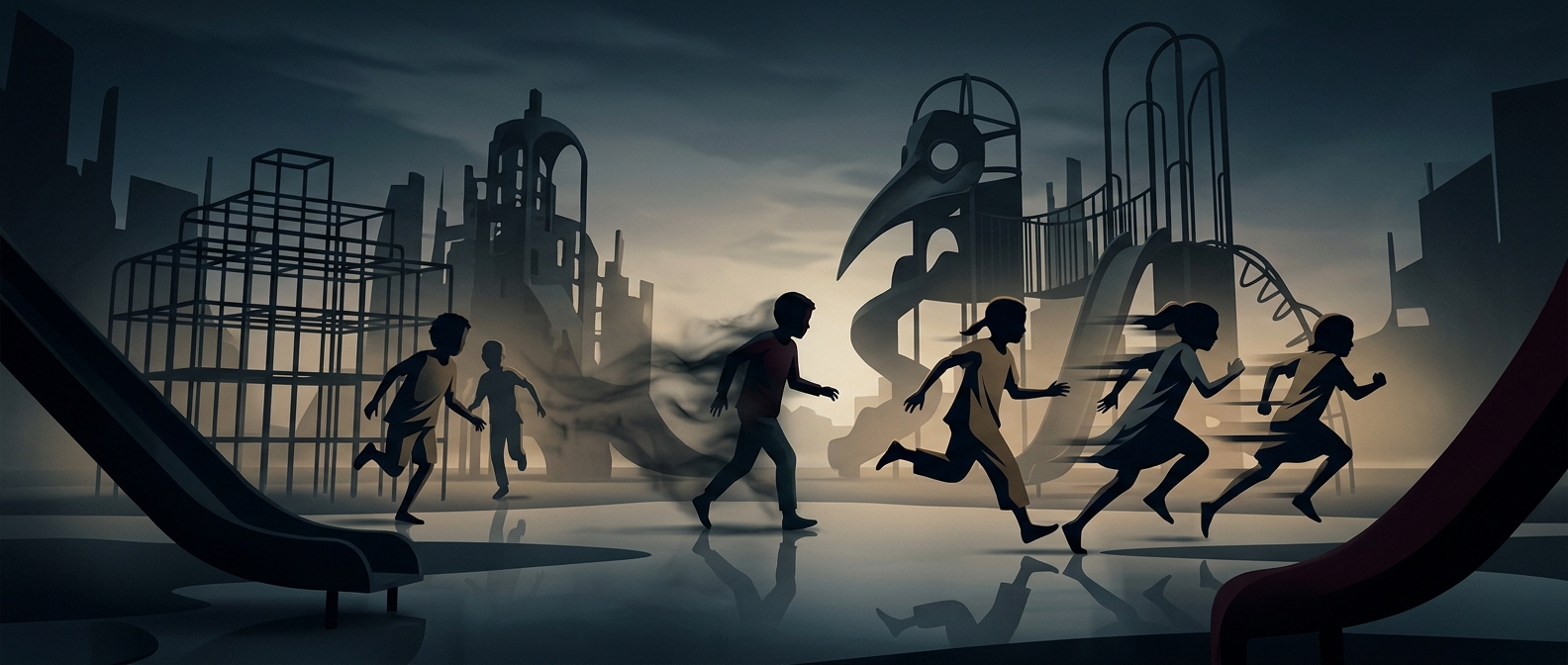
Tag can make falls more likely when children accelerate, change direction abruptly, or dodge one another on uneven ground. A collision may add force, but many falls cause only scrapes or bruises, and many games end without anyone getting hurt. The outcome depends on how a child lands and how much force reaches the shoulder—not simply on playing tag.
A clear playing area and enough room to avoid collisions reduce some hazards. The key risk is the sudden, awkward landing: it is the fall, not the game’s rules, that can turn a chase into a collarbone fracture.