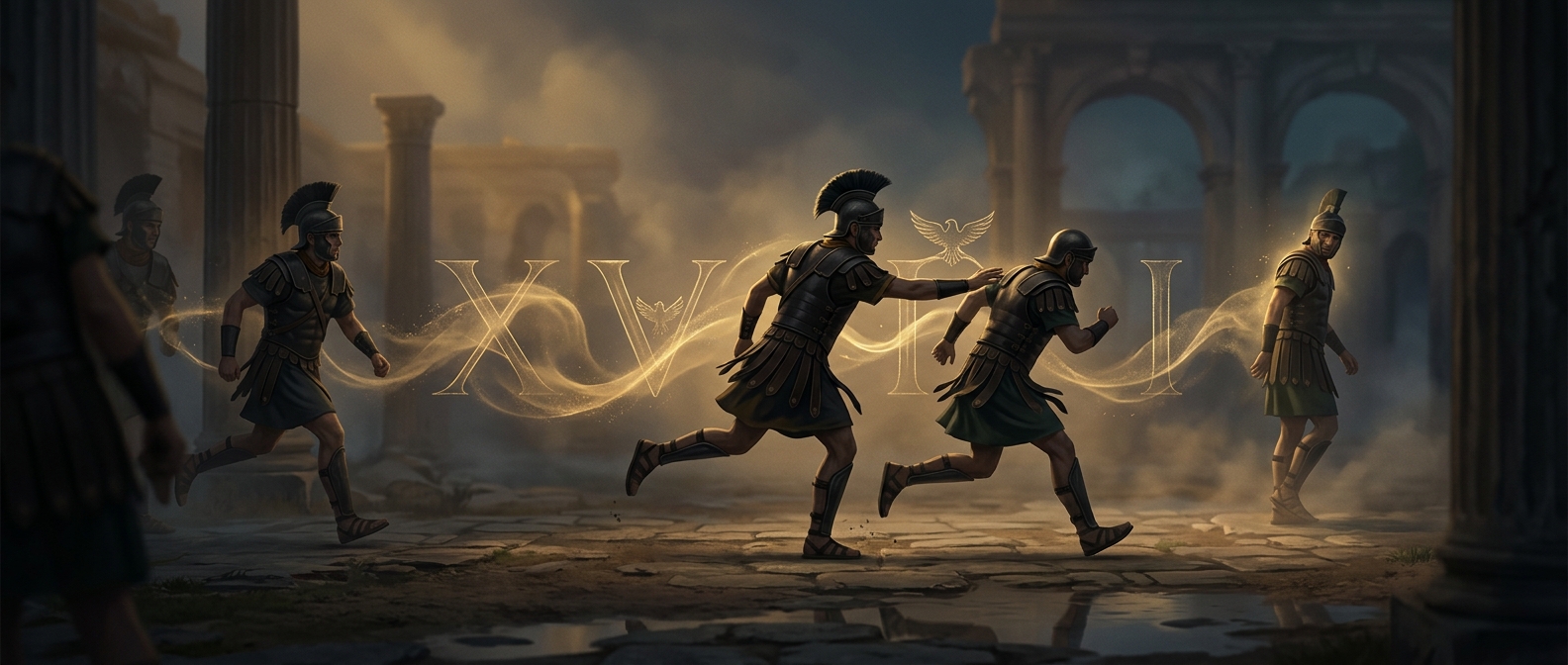
When a Touch Became the Threat
One possible ancestor of tag was a game built around an imagined danger: being touched by someone thought to carry an infection. The idea is simple, but it changes what the chase means. The runner is not merely trying to avoid being caught; the runner is trying to keep a feared condition from passing from one person to another.
That makes the touch a compact game rule. It gives an invisible threat a visible signal: if the pursuer reaches you, the danger has crossed the gap. The group can act out avoidance and transmission without needing to understand infection in modern medical terms.
Turning Fear Into Play
A chase game can make a frightening idea manageable by giving it boundaries. Players know who is “it,” what counts as contact, and when roles change. Those rules contain the danger inside a shared, temporary game: everyone can see how the threat moves, and the round ends when play stops.
This is a proposed connection, not a confirmed origin story for tag. The resemblance is still striking: a familiar playground touch can carry the shape of an older fear, transformed into a rule children can run from—and pass on.