A touch changes the rules instantly
Tag works because one brief contact can do more than mark a player: it changes what everyone is trying to do. Before the touch, the runner’s goal is to avoid being caught. After it, that same player becomes the pursuer, while the former chaser must escape. The game’s roles switch without a referee, equipment, or a pause to explain a new round.
That instant handoff keeps the action moving. Players have to watch not just where the chaser is, but who might become the next one. A runner nearing safety can suddenly be forced to turn and pursue, while nearby players reassess their own escape routes. One touch reshapes the whole group’s decisions.
The handoff creates a natural challenge
The switch also makes catching someone feel like progress rather than an ending. The person who was under pressure gets a chance to chase; the person who made the catch gets a fresh test: can they get away? Because the roles rotate, the game can continue without eliminating players or waiting for a new round to begin.
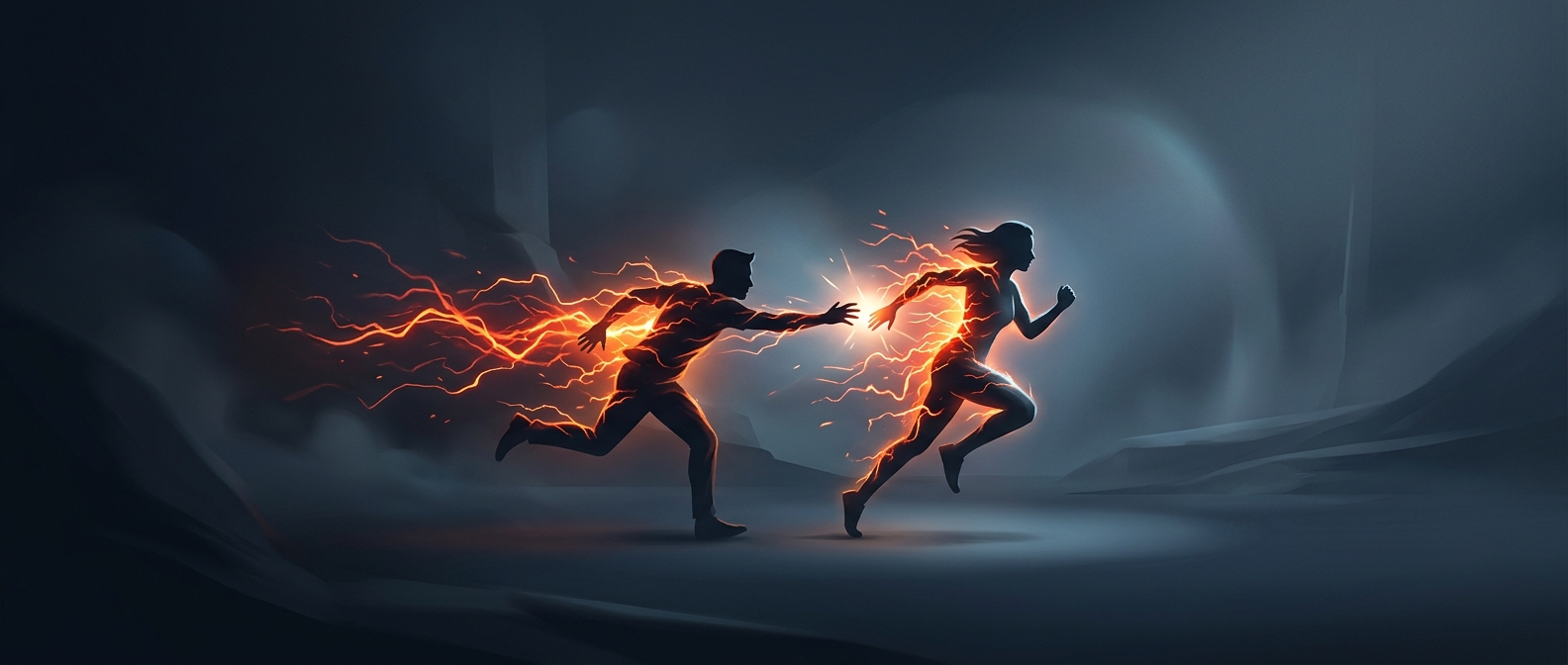
That simplicity depends on one important convention: everyone must agree what counts as a tag. If a touch is disputed, the role change becomes unclear and the game stalls. When the rule is understood, the touch acts like a clean relay handoff—the chase continues, but its direction changes.