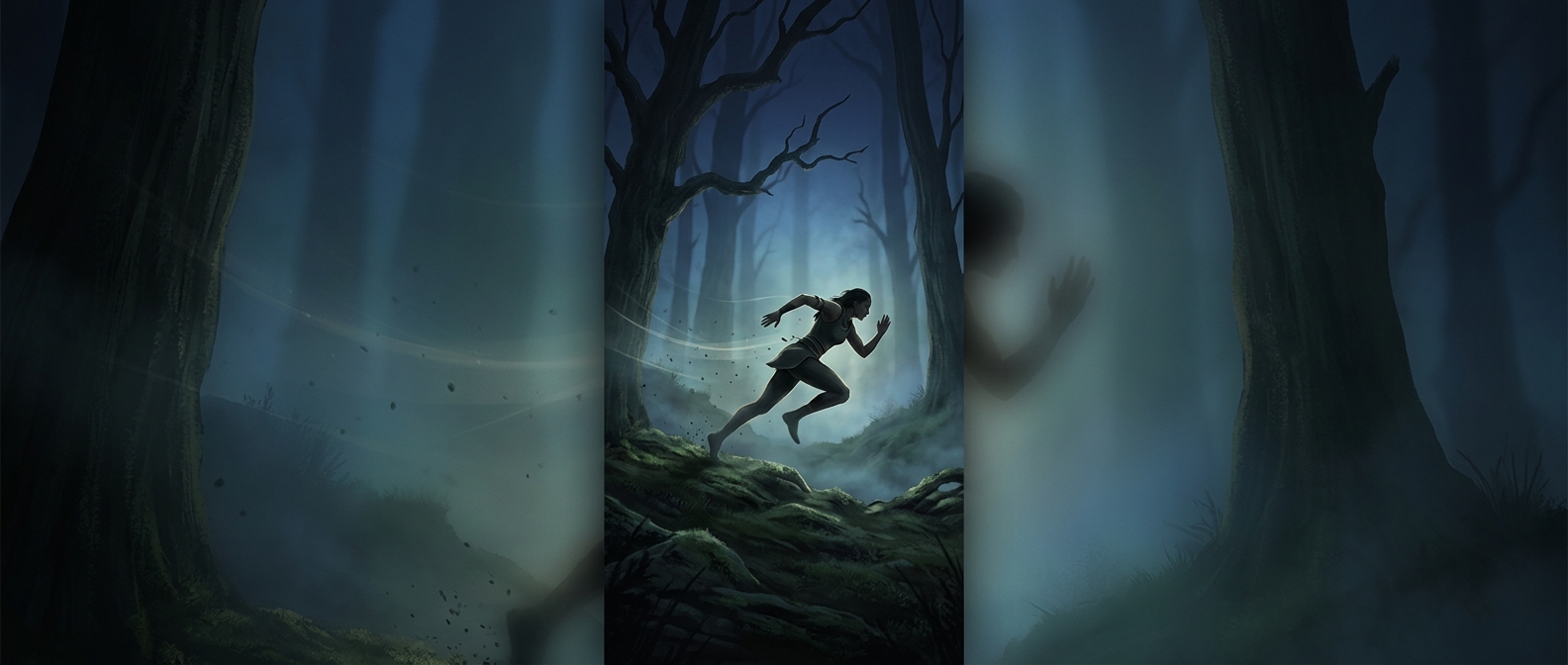
Why a Simple Tag Becomes a Chase
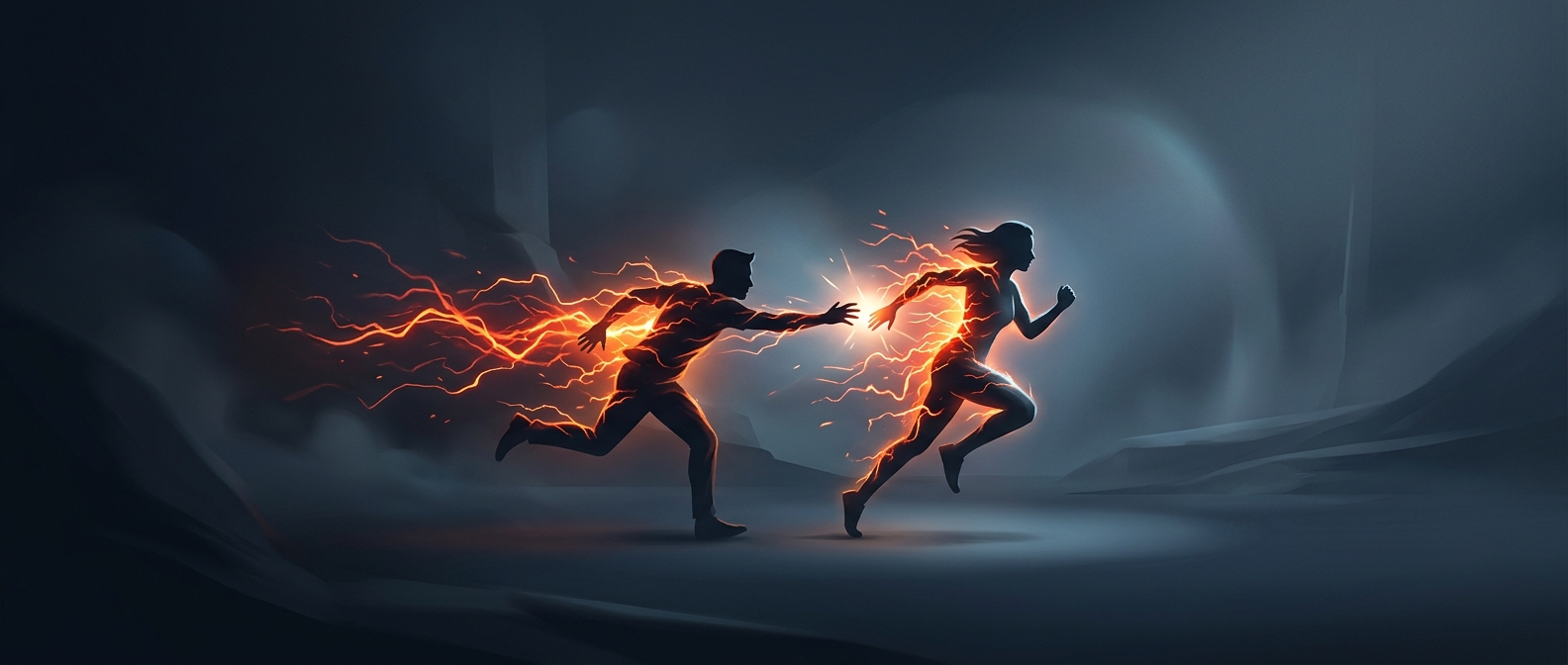
Tag needs little more than space, a shared rule, and a way to mark a change of roles. The key move is the handoff: when the chaser touches another player, that player becomes the chaser. The chase does not have a fixed finish line or a single winner, so the action can keep renewing itself as the group moves.
That rule creates a quick strategic puzzle. A runner must watch not only the person pursuing them but also the other players, who may become the next target. A sudden turn or feint can buy a moment, while a pursuer has to choose whether to keep following one runner or change direction. Even a small patch of open ground can feel unpredictable because every successful tag rearranges who is chasing whom.
The Rules That Keep It Playable
The basic game is easy to explain, but players still need agreement about what counts as a tag, where the play area ends, and what happens if someone is touched. Those details prevent the chase from stopping for arguments. A light touch is enough; the point is to change roles, not to knock someone off balance.
Groups often add boundaries or variations, but the central design stays the same: one clear action transfers the pressure to someone else. That simplicity lets players spend almost no time learning rules and nearly all of it reacting—until the next touch sends the chase in a new direction.