The Count Is Part of the Game
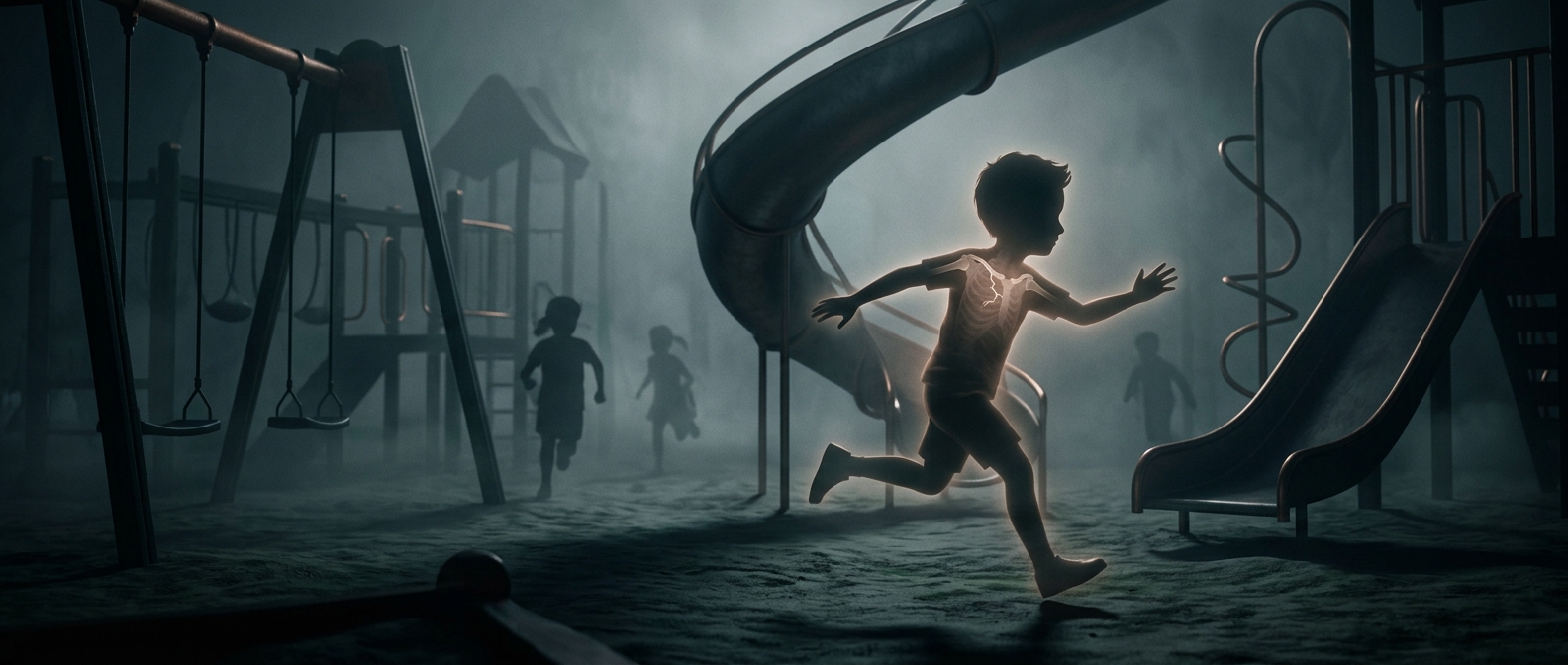
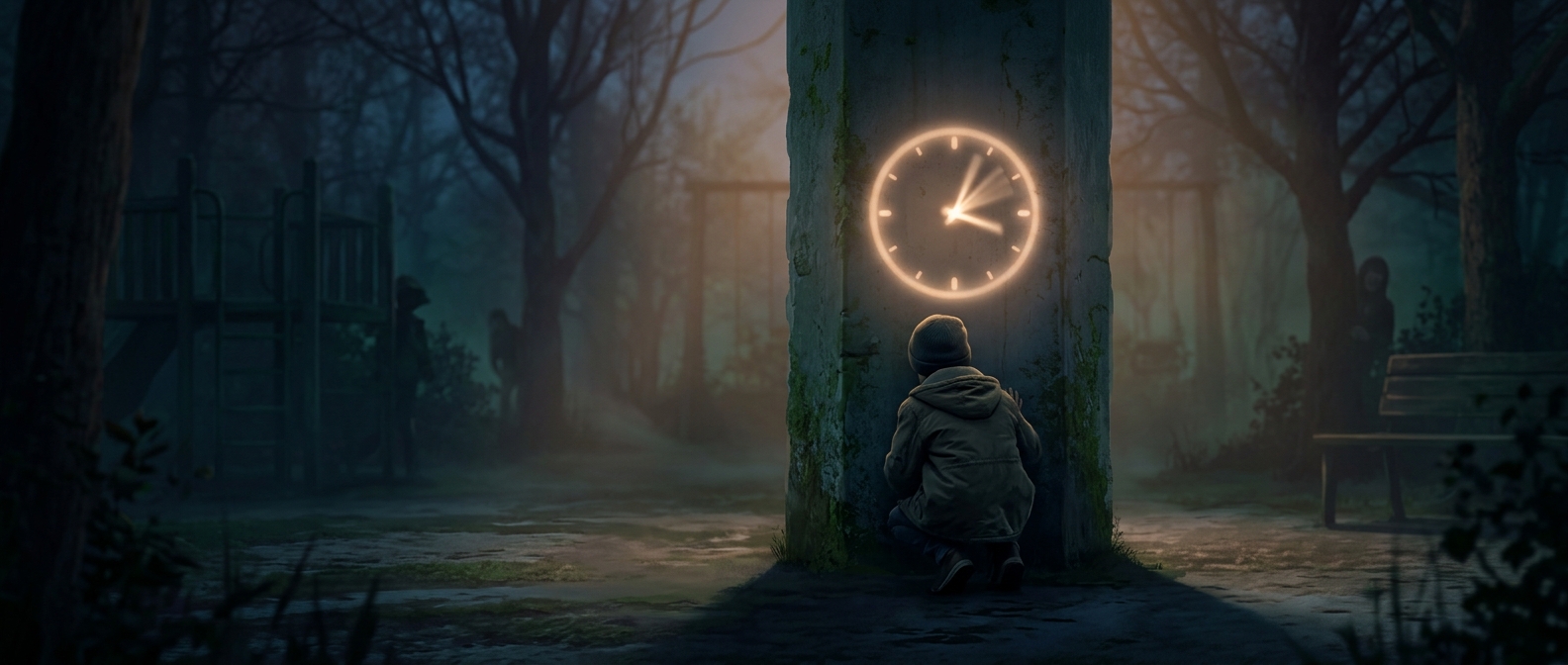
In hide-and-seek, the counter does more than recite numbers: their pace sets the deadline for everyone hiding. A quick count can catch players still choosing a hiding place or trying to reach a better one. A slow count gives them time to settle in—and may let them get farther from the seeker’s starting point.
That makes the count a small piece of strategy. The seeker may speed up to keep the round moving or to surprise the others; a hider who hears a leisurely count can use the extra seconds to get organized. Even the same number of seconds can feel different when the rhythm changes, because players often judge the remaining time by the cadence of the counting.
A Race With an Informal Clock
Unlike a timer, a spoken count is controlled by one of the players. That gives the counter influence over the round before the search even begins. But the advantage has limits: rushing too much can prompt complaints, while counting slowly can give the hiders a head start that makes the search harder.
The call “Ready or not!” marks the switch from preparation to pursuit. Until then, the hiders are using time; after it, the seeker is using clues—where someone might fit, what sounds they made, and which hiding places are worth checking. Changing the pace shifts the balance between those two parts of the game, turning a simple count into one of hide-and-seek’s quietest tactical choices.