Why the chaser has the harder job
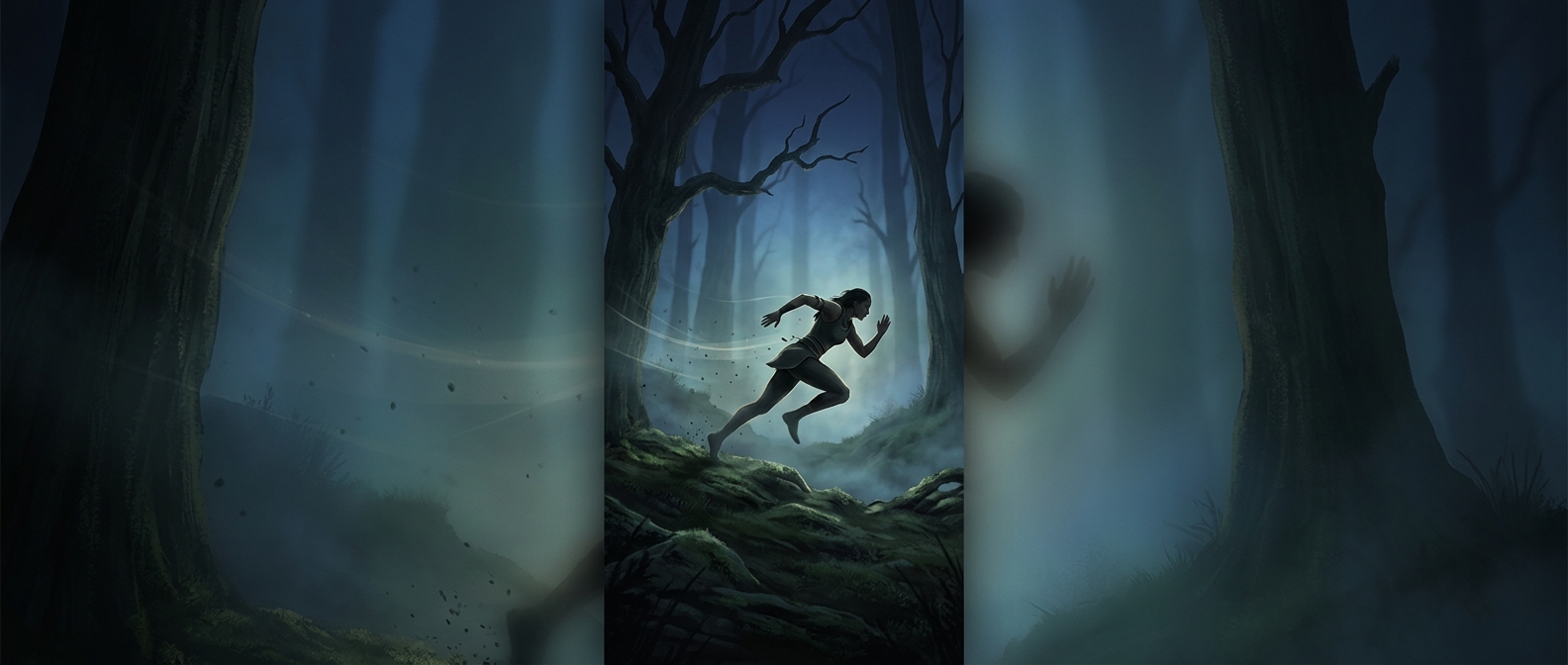
In tag, “It” is not simply one player trying to run faster than everyone else. The chaser must keep track of several moving people, decide whom to pursue, and adjust whenever a runner changes direction. Each runner, by contrast, can focus on one immediate problem: staying out of reach.
That difference makes the roles unequal even before anyone starts running. The chaser has to divide attention among multiple possible targets. A runner can watch the chaser and react; the chaser must predict where a chosen runner will go while also noticing whether another one is slipping away.
Chasing means predicting, not just following
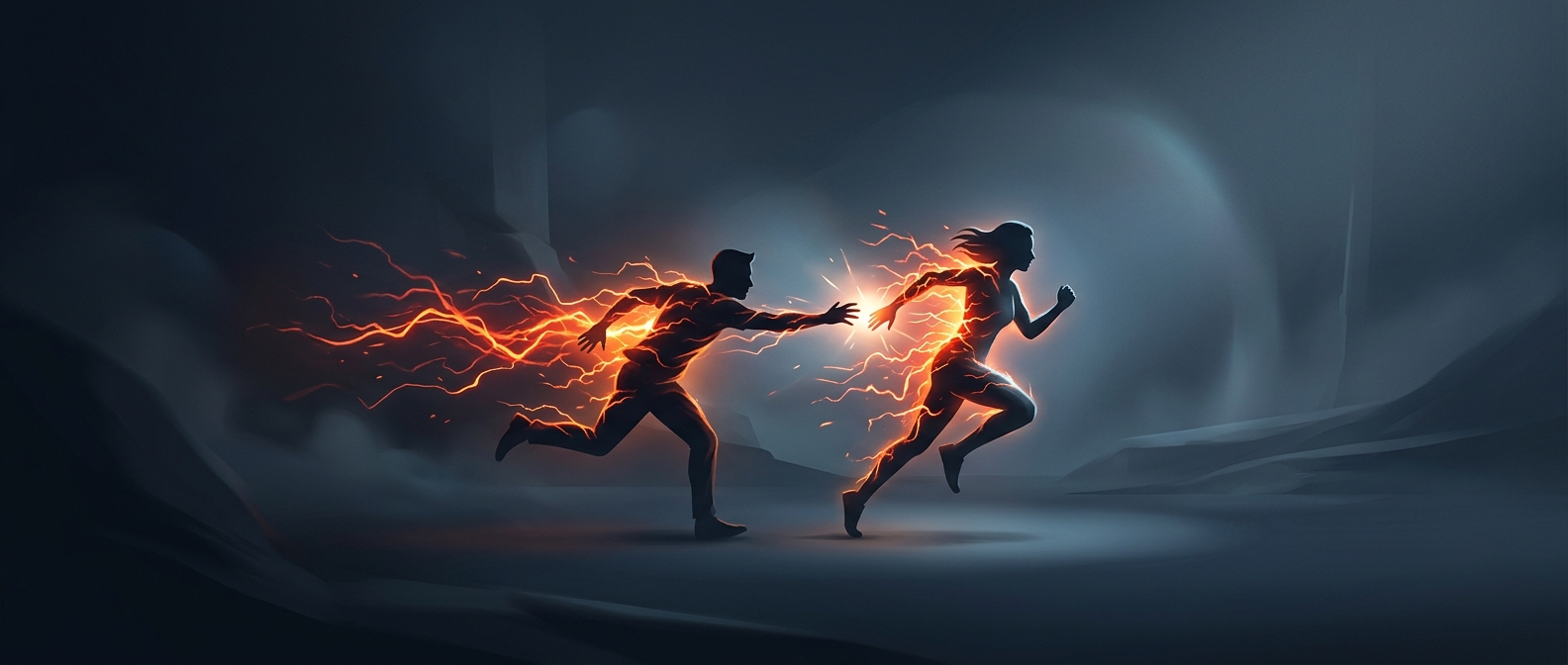
A straight sprint is rarely enough. If the chaser follows directly behind a runner, that runner can turn sharply or circle around. To make a tag, the chaser has to anticipate the runner’s path and move toward a place the runner is likely to pass. But with several runners changing course independently, committing to one direction carries a cost: someone else may get farther away or find an opening.
The runners also benefit from having options. They can scatter, change pace, or make sudden turns, forcing the chaser to keep revising the plan. None of those moves guarantees safety, but together they make the chaser’s attention and movement do more work.
The role changes the game
This imbalance is part of what makes being “It” feel unfair: one player bears the burden of choosing and pursuing, while the others mostly need to avoid being caught. The game becomes more manageable when a runner is isolated or makes a predictable move, giving the chaser a clear opportunity to intercept them.
So the advantage is not just about speed. The chaser has to solve several moving problems at once; each runner only has to solve the one aimed at them.