How a Coffee Cup Made It Into Westeros
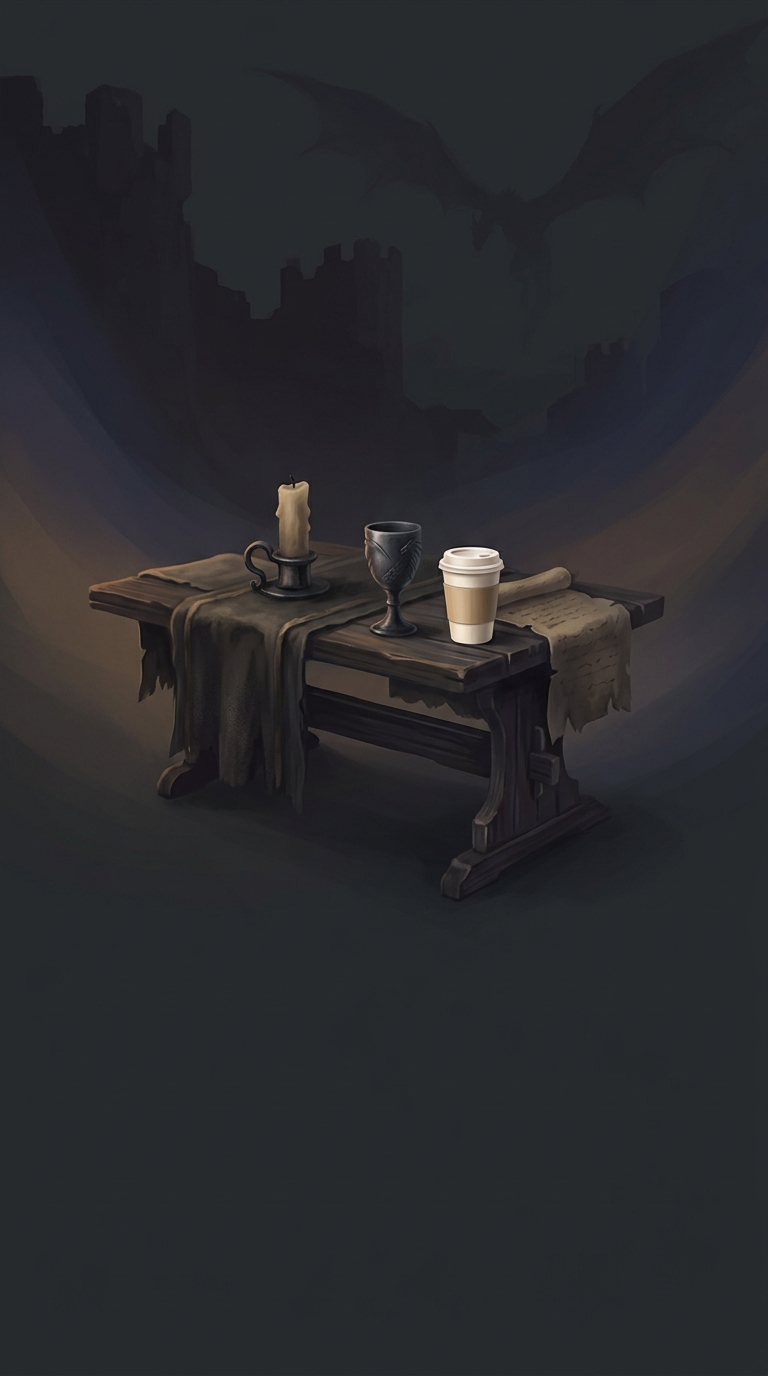
In a feast scene in the final season of Game of Thrones, a modern takeaway cup sat on the table among medieval-style goblets and plates. It was a small continuity error: the set dressing and costumes suggested one world, while the cup belonged unmistakably to another. Viewers spotted it when the episode aired, and screenshots spread rapidly online.
Why a Big Production Can Miss a Small Object
A scene passes through many hands: actors perform it, cameras record it, editors assemble the footage, and effects teams add or adjust visual elements. That scale does not mean every ordinary object is automatically caught. A cup can be easy to overlook on a busy banquet table, especially while attention is focused on performances, dialogue, framing, and larger visual effects. The mistake is a reminder that production size and careful attention are not the same thing.
The cup also became conspicuous only after broadcast. On set, a prop may blend into the surrounding clutter; on screen, viewers can pause, zoom in, and share the exact frame with millions of people. A fleeting background detail can therefore become a story of its own.
The Fix—and the Afterlife of the Gag
HBO later removed the cup from the streaming version. That corrected the episode for future viewers, but it could not erase the original broadcast or the screenshots already circulating. The incident became a running joke about the show’s medieval world colliding with everyday modern life—and about how closely audiences inspect a series they care about.
The lasting image is not just a misplaced cup. It is the contrast between a carefully constructed fantasy and one familiar object that instantly punctured the illusion, then kept living online after the scene itself had been patched.