From Animal Actors to Digital Direwolves
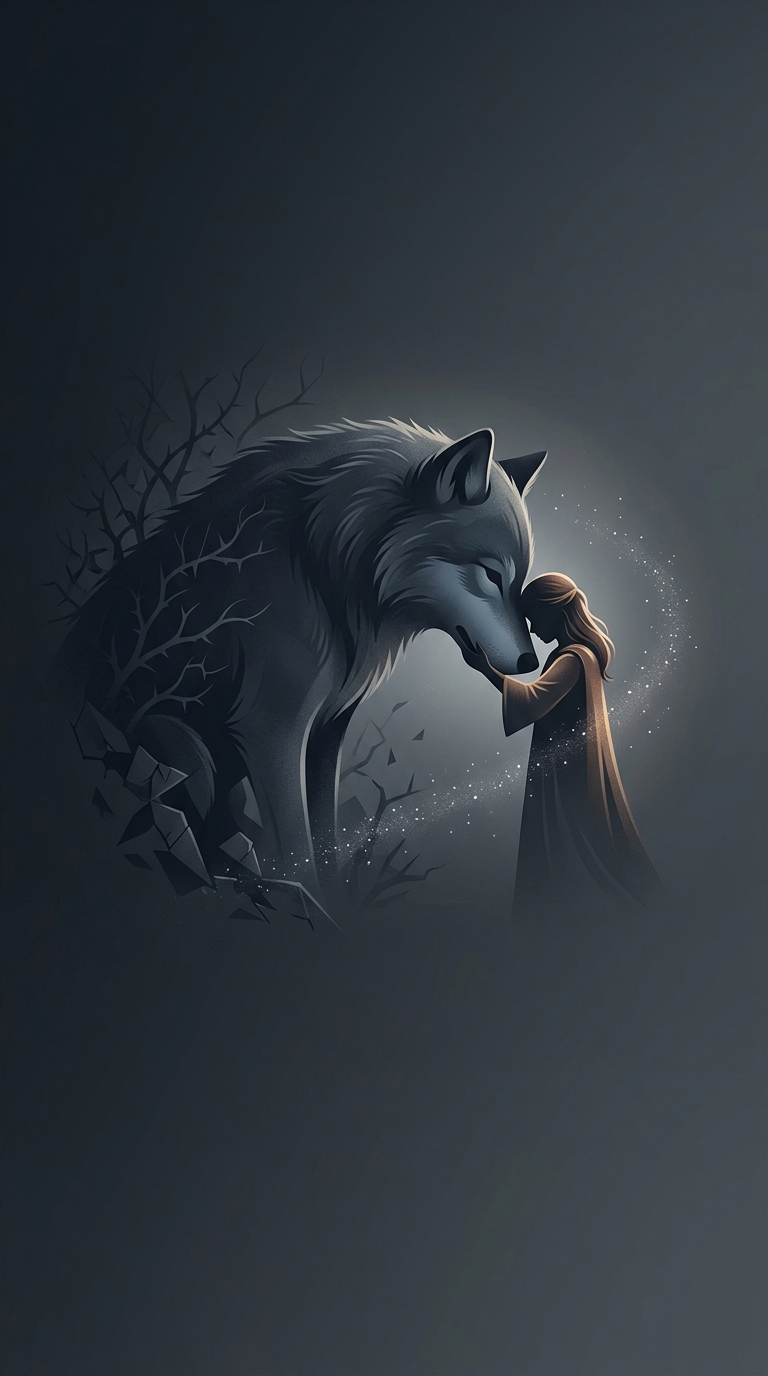
A real dog gives a scene things that are difficult to manufacture: an unplanned shift in attention, convincing movement, and a physical presence for human actors to react to. In the first season, Northern Inuit dogs supplied that presence for the Stark children’s direwolves. But the creatures in the story were not simply ordinary dogs with a fantasy name. As the direwolves grew larger and became more important to the action, keeping them believable on screen became a different challenge.
Why the Production Changed Methods
A trained dog has limits: it cannot safely perform every movement a scene might require, and its size cannot change from shot to shot. Computer-generated imagery, or CGI, gave the production control over those constraints. Artists could make the direwolves imposing, coordinate their movements with the drama, and fit them into scenes without asking a live animal to do something unsafe or implausible.
That shift also changed how scenes could be made. With an animal actor, a performance depends on the dog’s behavior in the moment. A digital creature can be shaped after filming, but it requires artists to build and animate the character so that it still feels connected to the actors and the physical setting. The change was not simply a move from “real” to “fake”; it traded spontaneous animal behavior for greater control over scale and action.
The Fictional Ending Had a Real-World Afterlife
The production’s story and the dogs’ lives diverged. Lady’s death was a plot event, not a harm done to the dog portraying her: Sophie Turner adopted Zunni after the character was written out. It is a small but striking contrast between television’s permanence—the scene remains on screen—and the ordinary life that continued for the animal behind it.