The 555 prefix keeps fictional calls from reaching real people
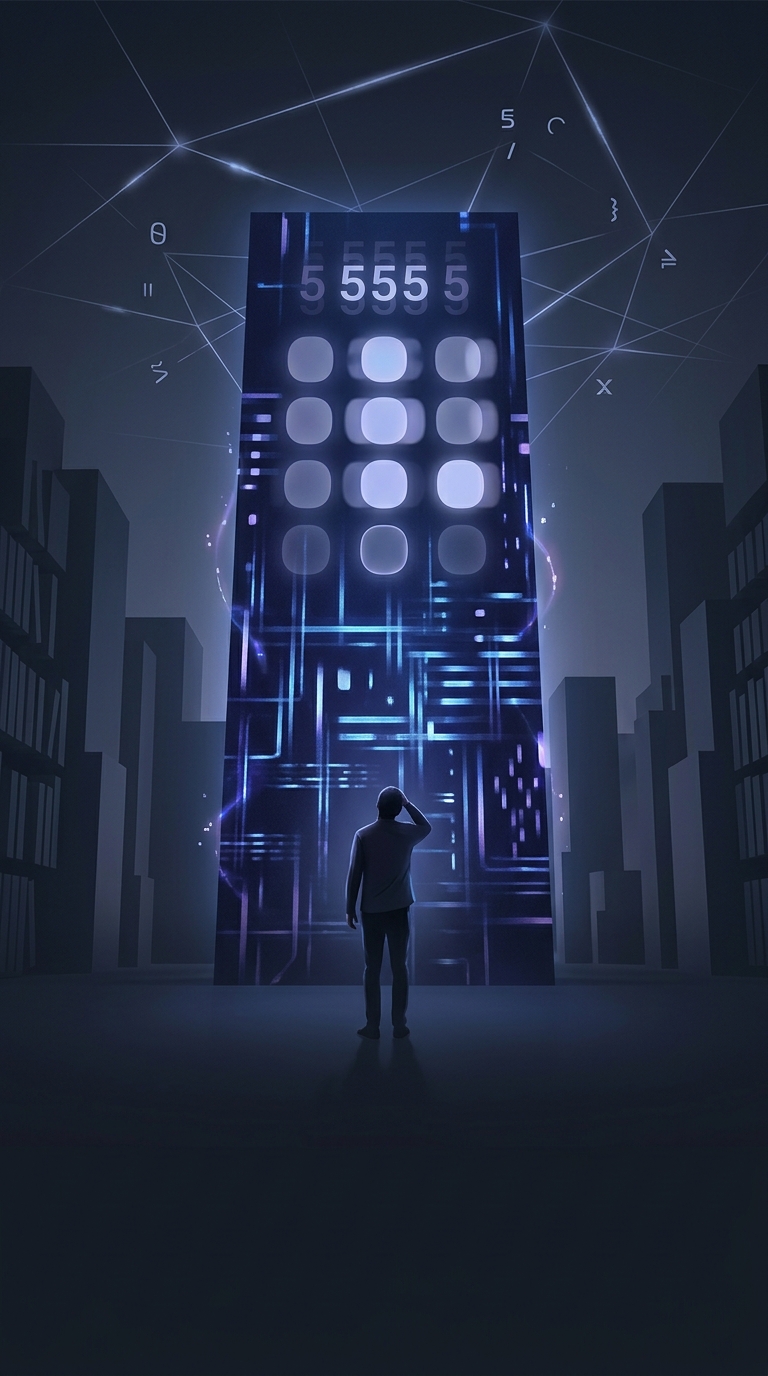
A phone number in a movie can look convincing and still be dangerous if it belongs to an actual subscriber. To avoid sending viewers’ calls to strangers, the North American numbering system reserves a small block of numbers beginning with 555 for fictional use: 555-0100 through 555-0199. Writers can put one on screen without intentionally pointing to an ordinary person’s phone.
The protection applies to the full number, including its area code—not to every number containing 555. A number such as 212-555-0147 falls in the reserved range; a different 555 number may be assigned or used for a real service.
Why 555 became the familiar choice
The prefix became a convention because it offered filmmakers a recognizable way to show a phone number while reducing the risk of accidental calls. Once audiences and production crews came to associate 555 with fictional numbers, it was a convenient shorthand across television and film.
The familiar pattern can make a number seem universally safe, but the reserved range is limited. Productions therefore have to use care rather than assume that any made-up-looking number is harmless. The practical result is a small patch of the phone system set aside so a scene can show a plausible number without turning a viewer’s curiosity into a stranger’s ringing phone.