The war made Sunday part of the news cycle
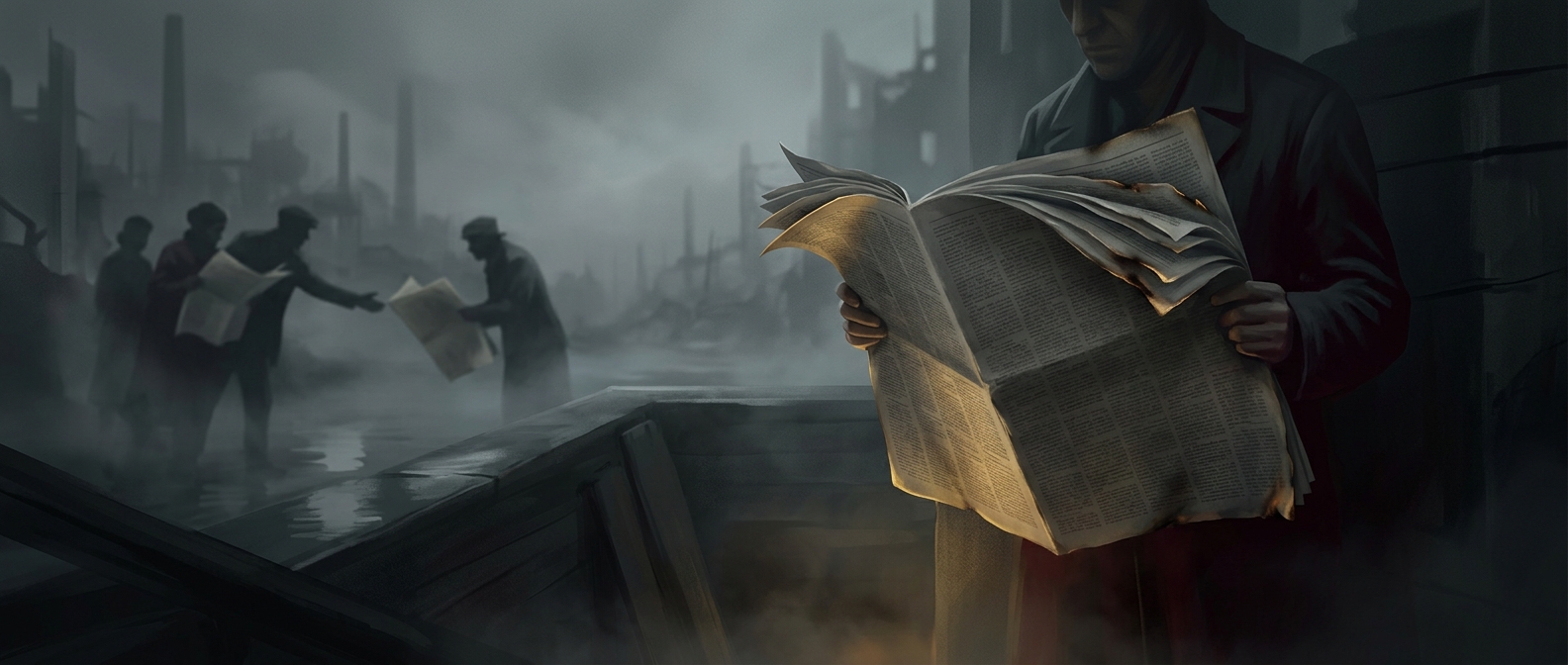
Before the Civil War, many newspapers treated Sunday as a day off from publication. The war made that pause harder to keep. Battles could begin, end, or change the military situation on any day, and readers wanted to know what had happened—not wait for Monday’s edition.
The telegraph sharpened that expectation. It could carry reports over long distances far faster than a printed newspaper could travel, giving editors a way to receive urgent dispatches and readers a reason to seek the latest account. When important news arrived on a Sunday, a paper that stayed closed risked leaving its audience without an update while competitors printed one.
A new day of work—and a new reader habit
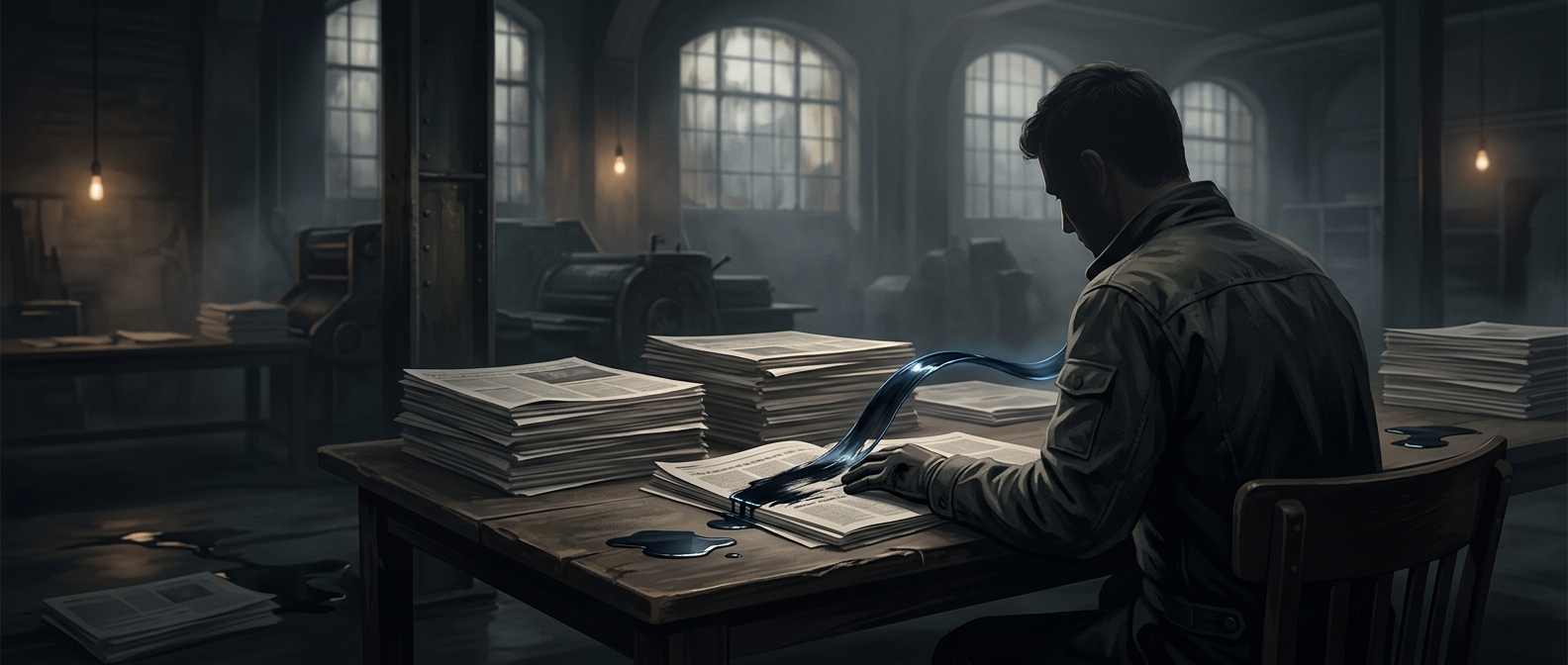
Publishing on Sunday meant more than changing a calendar. Editors had to gather and prepare material, presses had to run, and papers had to reach readers on a day when the usual work routine paused. But the demand for war news helped make those extra steps worthwhile. Sunday editions turned a day that had often been outside the newspaper week into another opportunity to report and sell the news.
The shift reflected a broader change in what readers expected: news should follow events as they happened, rather than wait for the next customary publication day. The Civil War did not make every newspaper publish every Sunday, but the appetite for battle updates pushed many papers toward a seven-day schedule. After that, a major event could keep readers looking for the paper even on the day it had once been absent.