A match can trigger a penalty before a person checks it
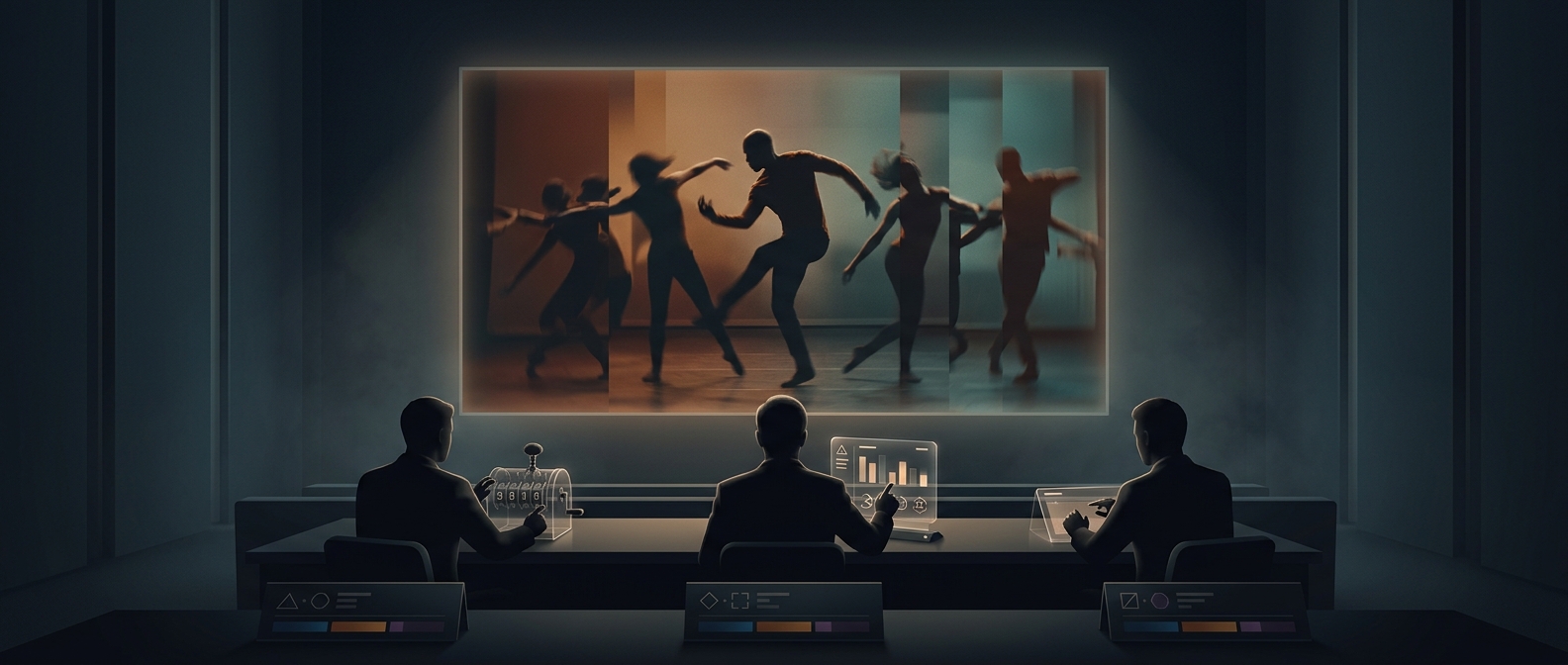
Automated copyright tools compare uploaded audio or video with reference files supplied by rights holders. If a system detects a match—a song in the background, a film clip, or even a brief excerpt—it may flag the upload and prompt a claim or removal under the platform’s rules. The software can identify similarity; it cannot reliably judge context, such as whether a use is licensed, mistaken, or legally permitted.
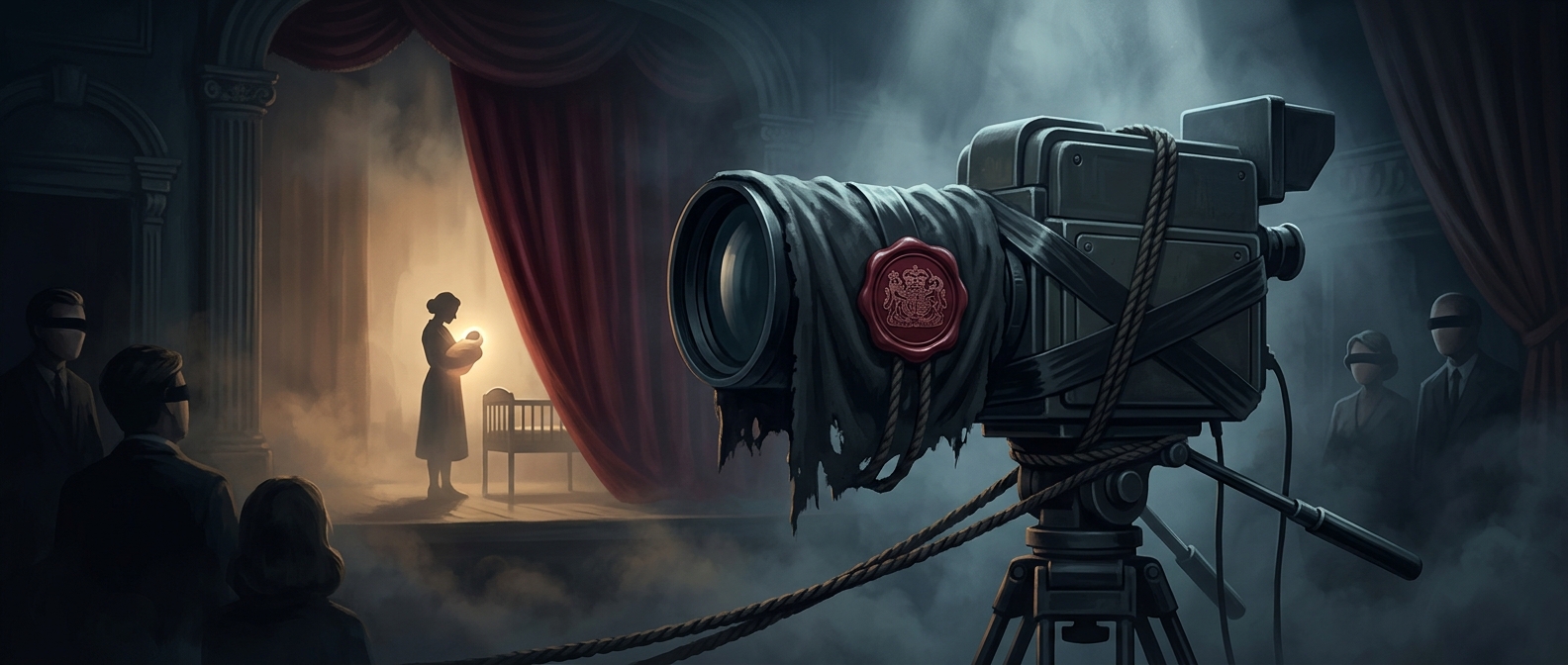
That gap matters because a flag can have immediate consequences. A video may be blocked, lose advertising revenue, or receive a strike that affects the creator’s account. The precise outcome depends on the platform and the type of claim, but the creator may face the disruption before a human has assessed the dispute.
The appeal burden falls hardest on small creators
A creator can contest a claim, but doing so takes time and requires understanding the platform’s procedures. They may need to identify the material, explain why they have permission or believe their use is lawful, and wait while the dispute is reviewed. Meanwhile, a blocked video cannot reach viewers, and withheld revenue may matter most to someone with little financial cushion.
Large rights holders have a different advantage: they can submit reference material and manage claims at scale, while an independent creator handles each dispute alone. That imbalance does not mean every claim is wrong or every appeal fails. It means that the cost of a mistaken match is not shared equally.
Automation moves the decision earlier
Copyright systems are built to process far more uploads than people could review individually. Matching first and appealing afterward makes that scale possible, but it also shifts the burden of correcting errors onto creators. For an individual, the practical penalty may arrive not as a final judgment, but as a lost audience or income during the time it takes to challenge the system.