The Business Model Behind a Reaction Video
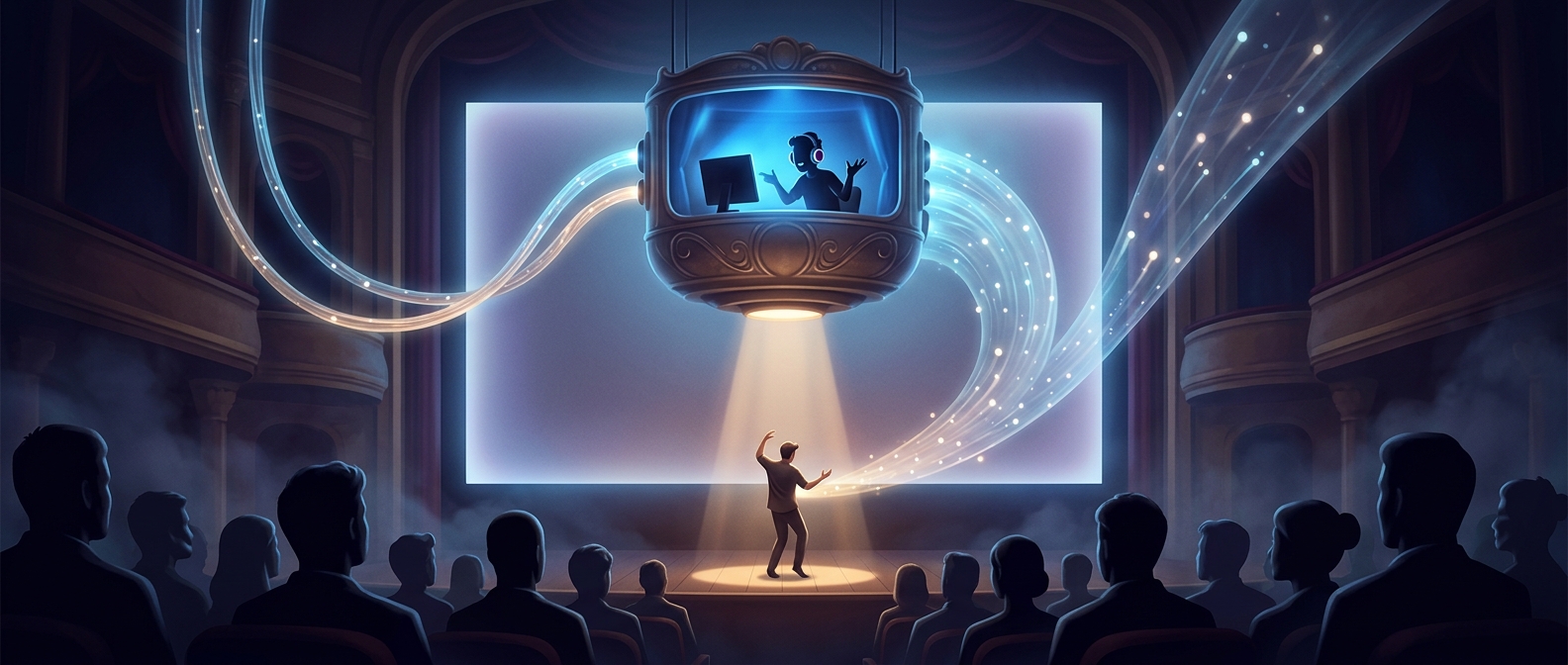
A reaction video can be inexpensive to make because its raw material—the original clip—already exists. The reactor adds a face, voice, and point of view, then packages that response for an audience. If the video attracts enough eligible views, the platform may share advertising revenue with the reaction creator. That can make another person’s production the starting point for a new piece of monetized content, without the reactor having paid to make the original.
The value is supposed to come from the added layer: explaining a joke, criticizing an argument, spotting a detail, or showing how a moment lands with a particular audience. A video that repeatedly pauses to analyze a clip is doing something different from one that simply plays it while the host watches. That difference matters both to viewers and to the question of whether the reuse is legally allowed.
Why Permission and Fair Use Still Matter
In the United States, fair use can permit some unlicensed uses of copyrighted work, including some criticism and commentary. It is not a blanket exemption for reaction videos. Courts assess the circumstances, considering such things as the purpose of the use, the kind of work borrowed, how much is used, and whether the new video could substitute for the original in the market.
Those considerations make the details important. Using only the portions needed to make a point may support a stronger fair-use argument than showing a long, uninterrupted stretch; adding genuine analysis may matter more than merely reacting with expressions. But no single editing trick guarantees the result, and a platform’s decision to run ads is not a legal ruling. A reaction can earn money while its right to use the underlying work remains disputed.