The reaction becomes part of the show
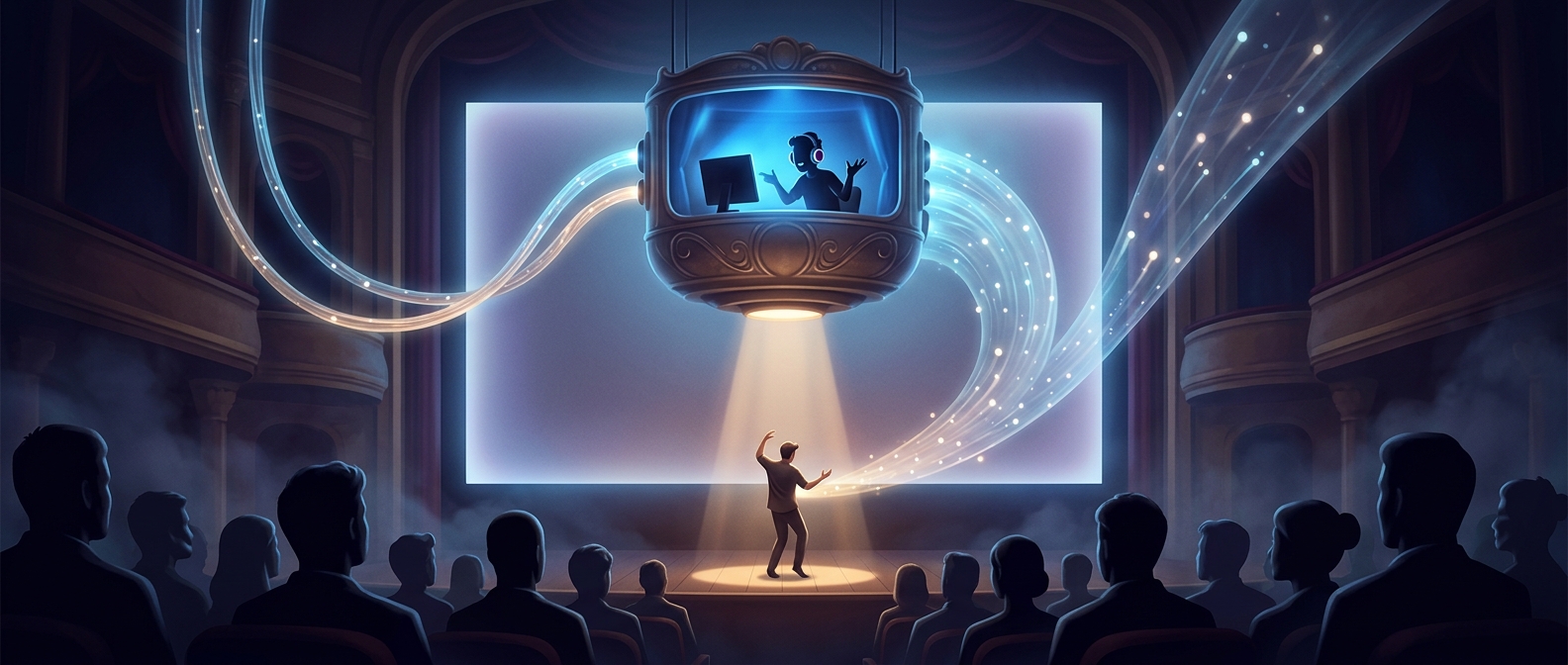
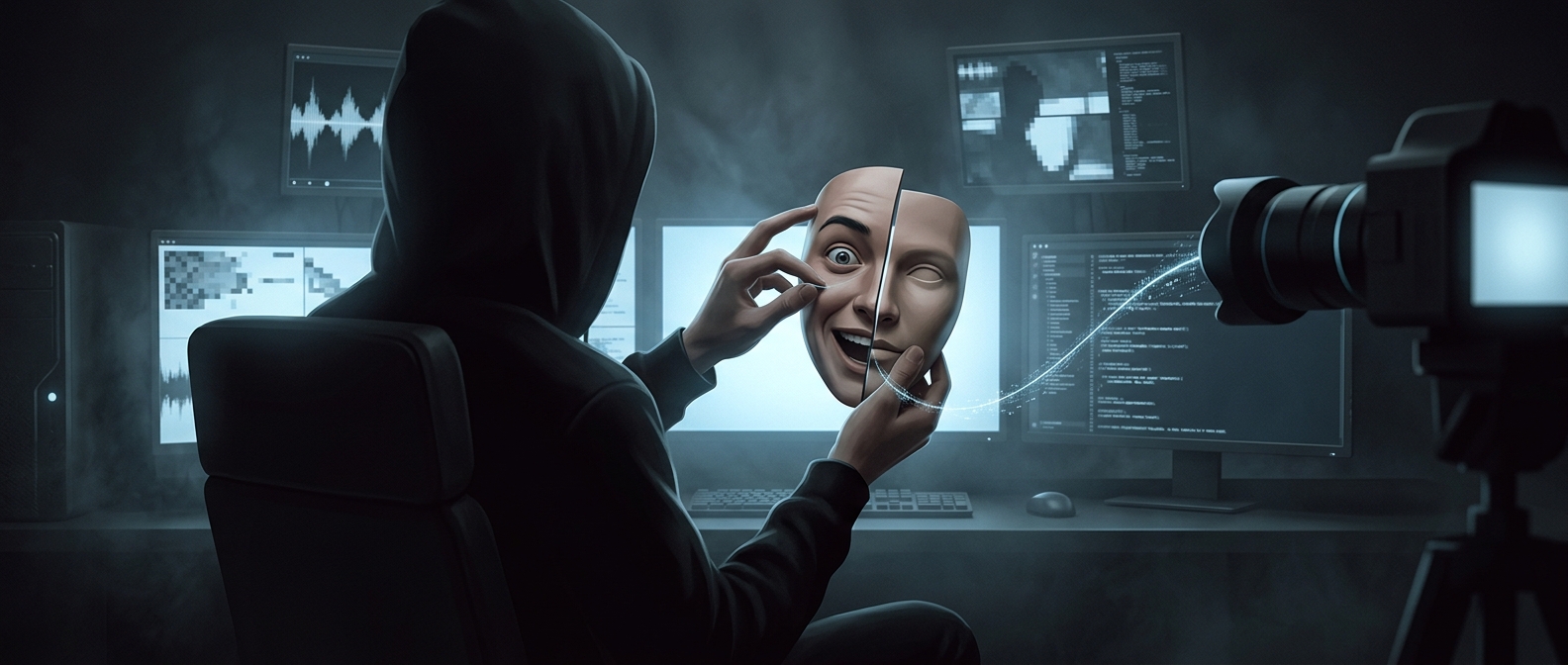
A streamer’s face may look like the spontaneous centerpiece of a clip, but the moment can be planned as performance. A creator might choose a game, video, or surprise reveal because it is likely to produce a readable reaction, then build toward that beat with deliberate pacing or an exaggerated expression. In edited videos, pauses and retakes can make the moment clearer; in a live broadcast, the setup may be planned even when the exact response is not.
That distinction matters: “staged” does not always mean every feeling is fabricated. A streamer can genuinely be startled or amused while also knowing that a dramatic response makes better entertainment. The performance shapes how the feeling is presented.
Why exaggeration pays
Online clips compete for attention in crowded feeds. A reaction that is easy to understand at a glance—a wide-eyed stare, a shout, a sudden jump—can give viewers an immediate reason to stop scrolling. If they watch, share, or comment, the clip may gain further reach. Creators therefore have an incentive to make reactions more legible and memorable than an ordinary response would be.
The tradeoff is credibility. A heightened reaction can make a clip funnier or more compelling, but repeated overstatement may teach viewers to treat the streamer’s emotions as part of the act. The result is a format in which the audience is not only watching a game or a video; it is also watching a creator perform the kind of reaction the platform rewards.