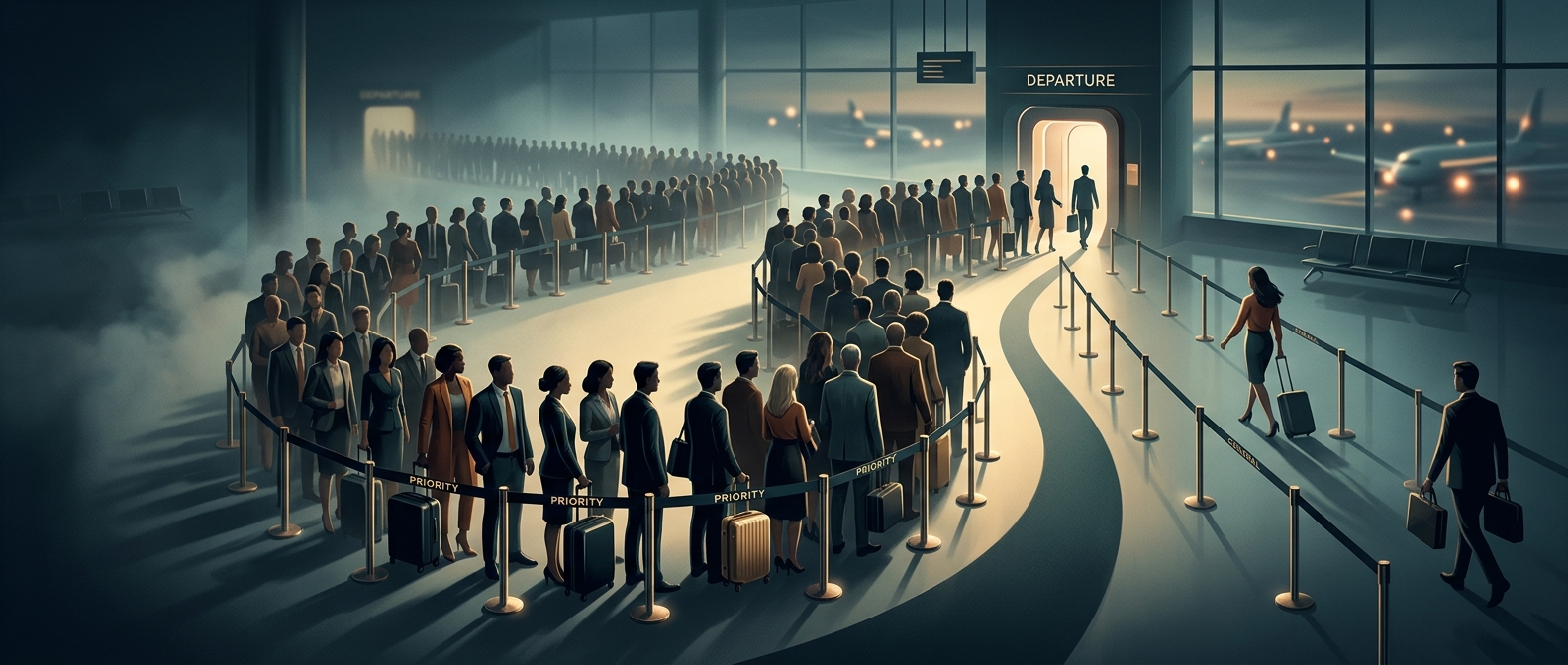
Why fewer available cars can raise a fare
Ride-hailing prices respond to the balance between people requesting trips and drivers available to take them. When requests outnumber nearby cars, the app may raise prices in that area. The higher fare can encourage more drivers to log on, move toward the busy area, or accept trips they might otherwise skip.
That creates an opening for drivers to influence the same balance. If many drivers go offline at once, the app sees fewer cars available to serve requests. If demand remains high, that shortage can contribute to a surge. Drivers who return while the higher fare is active may then be offered more money for rides.
A collective move, with individual risks
The tactic depends on timing and numbers: one driver going offline is unlikely to change the local supply picture much, while a large, coordinated drop in available cars can matter more. But the price increase is not guaranteed. If requests ease, other drivers log on, or the app’s estimate of supply and demand changes, the surge may not appear or may end before drivers return.
There is also a tradeoff. Drivers earn nothing while offline, and a higher displayed fare does not ensure that a particular driver will get a trip at that price. The strategy is therefore a gamble on a temporary imbalance—not a direct switch drivers control. Its leverage comes from a basic feature of the marketplace: when enough cars disappear at once, riders’ requests have fewer available drivers to compete for them.