Why a Bad Pun Belongs on the Scoreboard
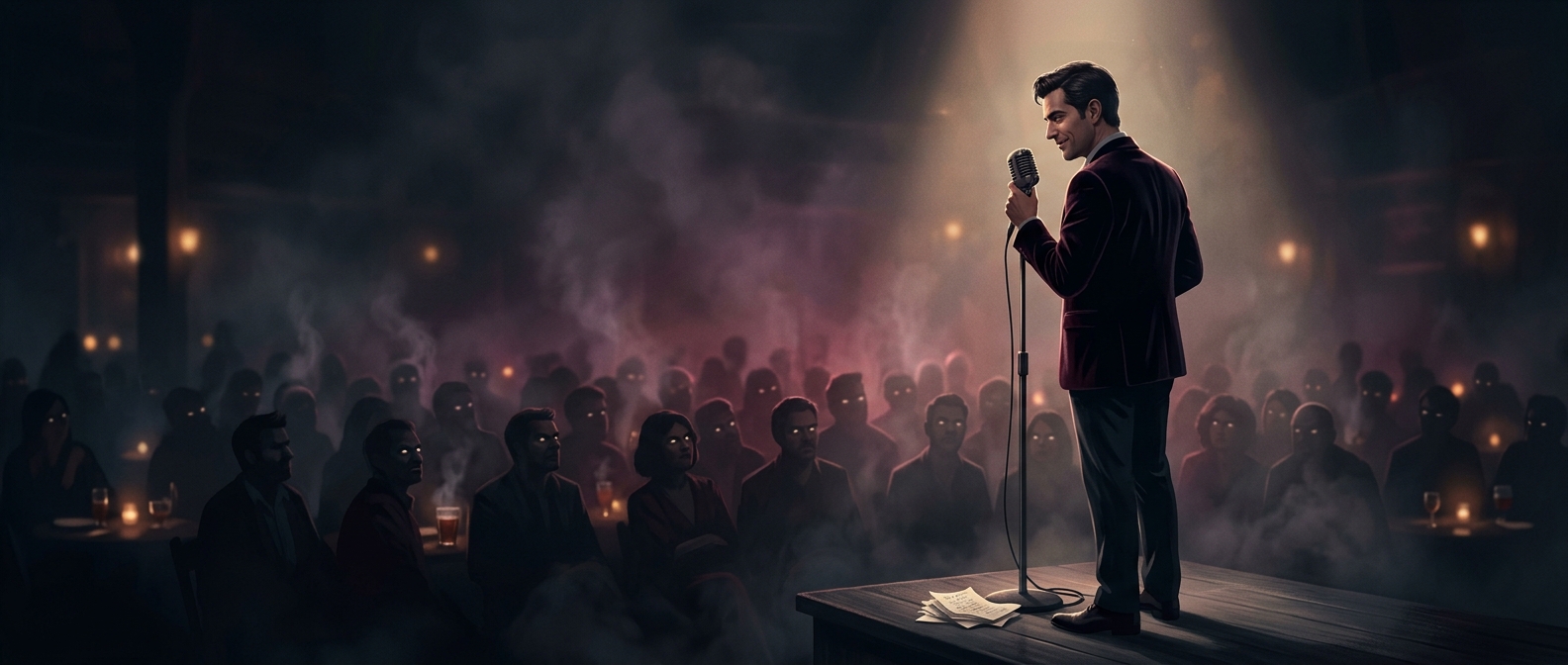
A pub-trivia team name is more than a label. It is the team’s first small performance of the night: something the host can announce, other players can react to, and teammates can enjoy before the questions begin. A pun makes that moment easy to create. It turns a familiar phrase, name, or topic into a quick joke without requiring anyone to take the spotlight alone.
The Groan Is Part of the Payoff
The best-known kind of trivia pun often aims below the bar for polished comedy. Its pleasure comes partly from recognizing the original phrase and partly from seeing how awkwardly it has been bent. A groan or eye-roll is still a response—and, among friends, a sign that the joke has landed well enough to be shared.
That low-stakes silliness also helps set the mood. Trivia involves public answers and a scoreboard, which can make a casual game feel competitive. A deliberately corny name signals that the group is here to play, not just to prove itself. It gives teammates a shared bit of identity before they have earned a point.
A Tiny Ritual Before the Questions
When the host reads the name aloud, the joke gets a second life: the team has supplied the line, and the room supplies the reaction. Even a pun that makes the host groan has done its job—it has made the team memorable and given the evening a laugh before anyone has to know an answer.