An arm has its own local control circuits
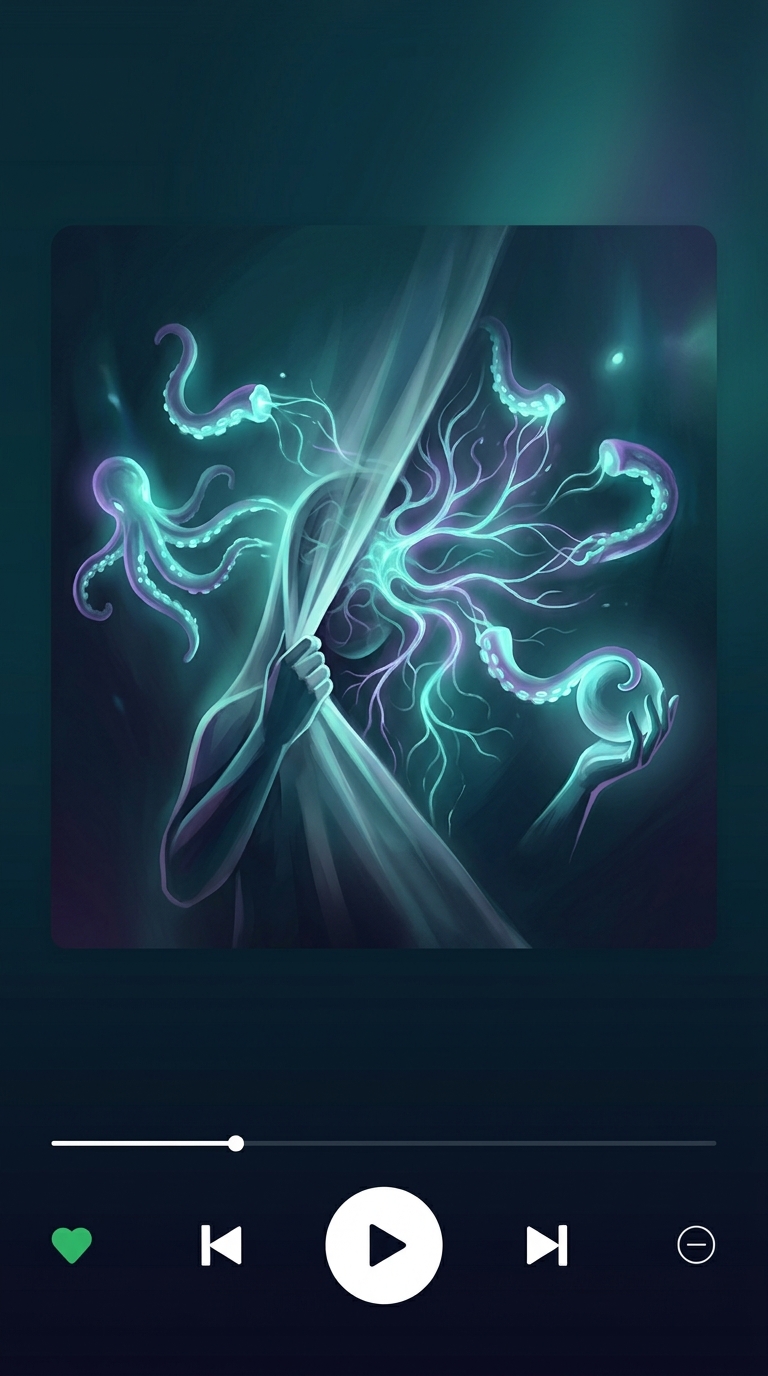
An octopus arm is not merely a limb waiting for commands from the brain. It contains a dense network of nerve cells, including circuits that connect touch and chemical sensing to movement. Each sucker can detect contact and sample chemicals, helping the arm respond to what it touches.
When an arm is severed, those local circuits can still function for a time. A touch can trigger a withdrawal or grasping response, and contact with food can set off movements that pull or hold it. The arm is reacting through its own nerve circuitry—not consciously deciding what to do.
The brain coordinates; the arm handles many details
The octopus’s brain still matters: it helps guide the animal’s actions and coordinate its arms. But it does not have to direct every bend or sucker movement individually. Local processing lets an arm adjust rapidly to nearby objects while the animal is moving through a complicated environment.
That arrangement is useful because an arm is long, flexible, and covered in sensing suckers. Sending every small sensory detail to the brain and waiting for a separate instruction would be cumbersome. Local circuits can turn nearby signals into immediate movements, while the brain oversees broader behavior.
Reflexes are not independence
A severed arm loses its connection to the animal’s brain and body. Its remaining activity is limited: it cannot navigate, seek food, or sustain itself as a living octopus does. The motions eventually fade as the detached tissue runs out of the support it needs.
The striking part is that an octopus’s control is distributed enough for an isolated arm to keep handling local tasks briefly. What looks like a limb acting on its own is the aftereffect of a nervous system built to solve many movement problems close to where they occur.