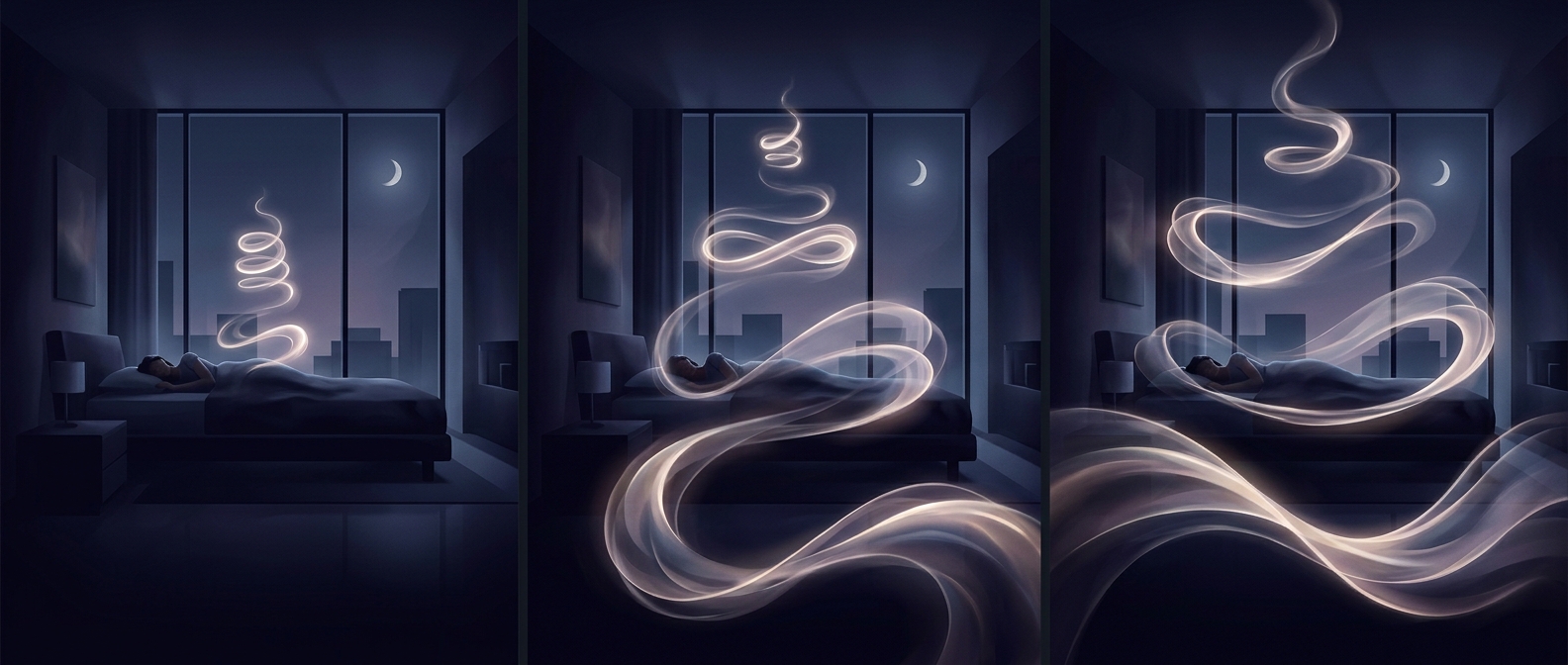
The body has a daily temperature rhythm
Temperature changes are not only a response to exercise or weather. The brain’s circadian clock—the roughly 24-hour timing system that helps regulate sleep and other body functions—also shifts the body’s heat balance. Core temperature tends to be lower during the sleep period and higher later in the day, though the pattern varies among people and with their schedules.
That rhythm reflects changing heat production and heat loss. Muscles generate heat as they work, while digestion and other basic processes also use energy. Meanwhile, the body adjusts how much warm blood reaches the skin and how much heat it sheds through sweating. These controls keep temperature within a useful range rather than fixing it at one unchanging number.
Why the clock matters when you take a reading
A reading depends partly on where and when it is taken. Measurements at the skin, mouth, ear, or rectum do not capture exactly the same temperature, and recent activity, a warm room, or a hot drink can affect some readings. A small shift over the day can therefore be normal; a single number makes more sense when interpreted alongside the person’s usual pattern and how they feel.
The practical takeaway is that the body is not a thermostat set to one precise point. It continually balances heat made inside against heat released outside, while its daily clock nudges that balance—so the same person may read somewhat warmer in the evening than after waking.