Why dream periods grow toward morning
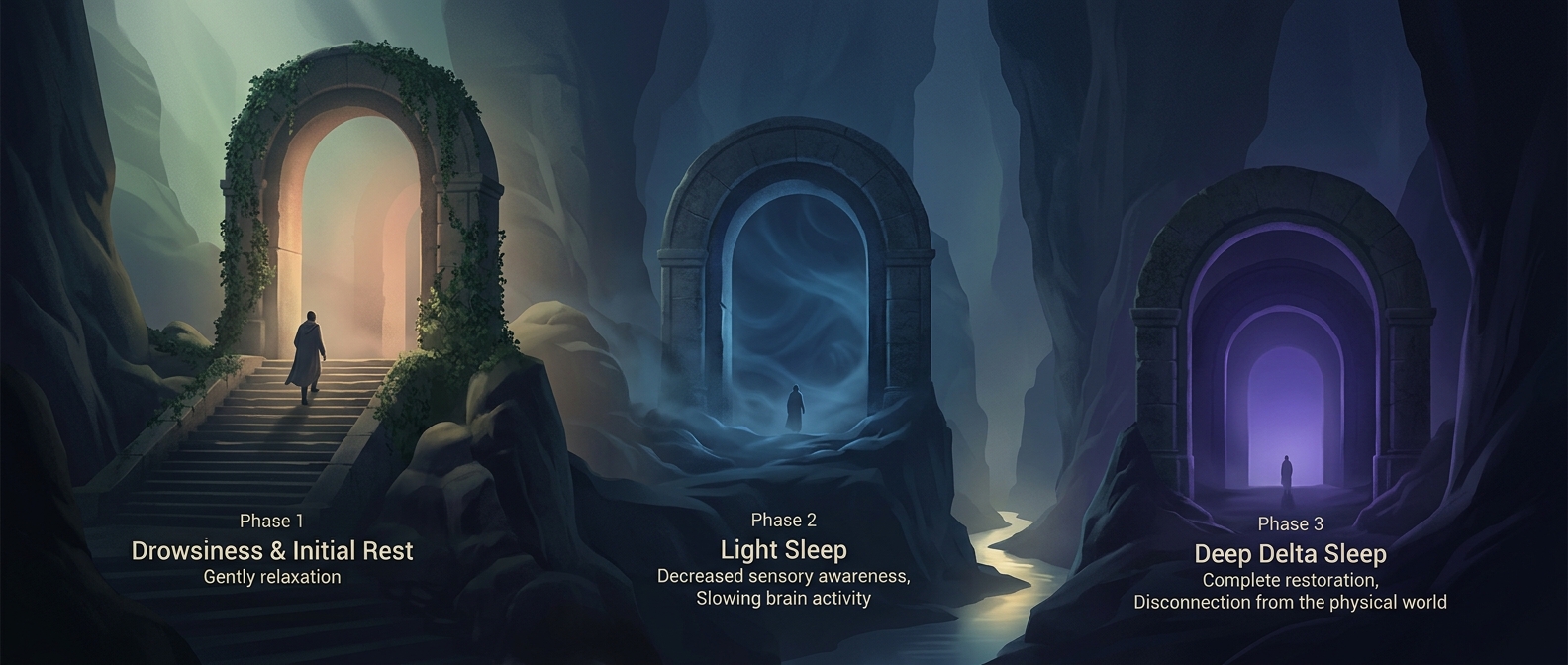
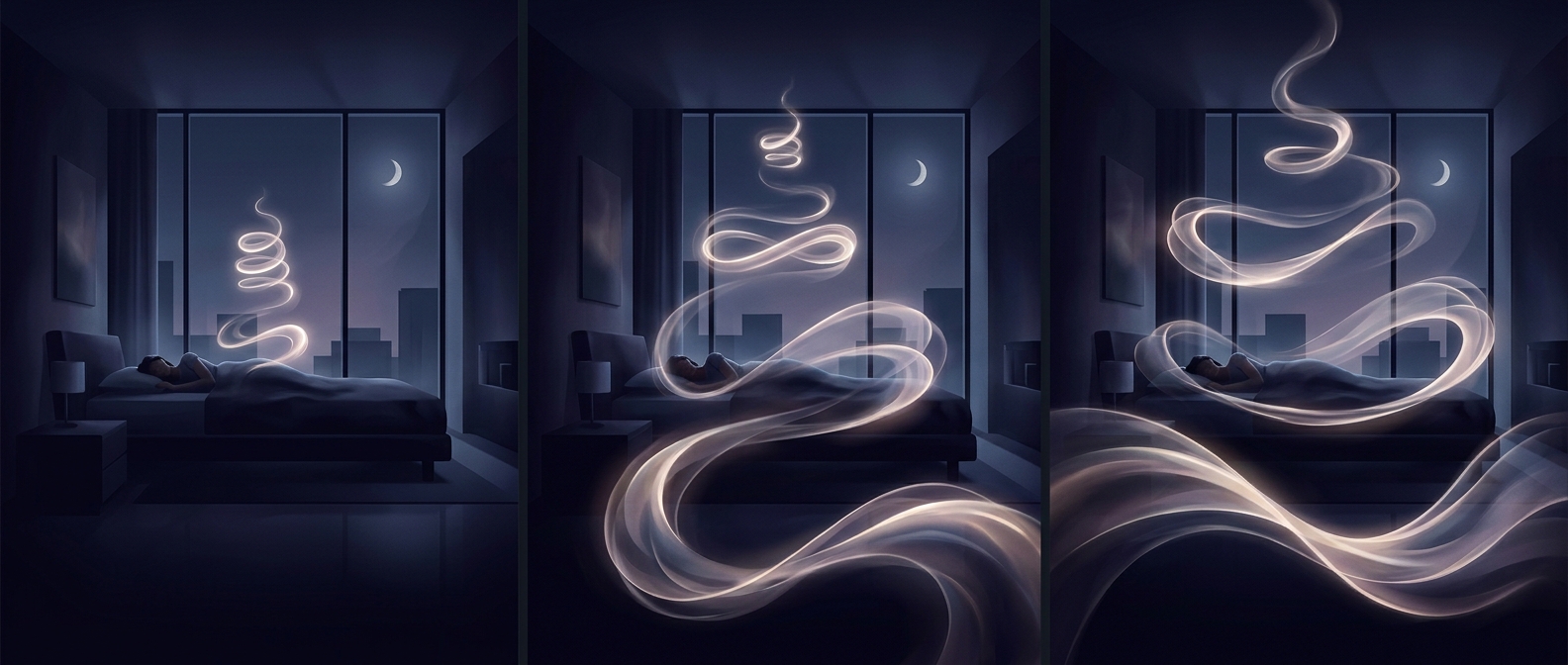
Sleep is not one steady state. Across the night, the brain moves through repeating cycles of lighter sleep, deep sleep, and REM sleep—the stage marked by rapid eye movements and especially vivid, story-like dreams. Early in the night, deep sleep takes up more of each cycle, and a REM period may last only about 10 minutes. As morning approaches, deep sleep fades and REM periods generally lengthen, giving later dreams more time to unfold.
A longer dream is easier to remember
Dreaming can happen in several sleep stages, but vivid REM dreams are often easier to recall. The other part of the explanation is timing: people are more likely to remember a dream when they wake during or soon after it. A dream from early in the night may be followed by hours of sleep, during which its details can disappear from memory. A dream near morning has less time to fade before waking.
That combination can make the last dream seem unusually elaborate: it may have had a longer stretch of REM in which to develop, and waking close to it makes the story more accessible. The next time a sprawling dream lingers over breakfast, its length may reflect not just what happened in the dream, but when in the night it happened.