A storm became evidence of witchcraft
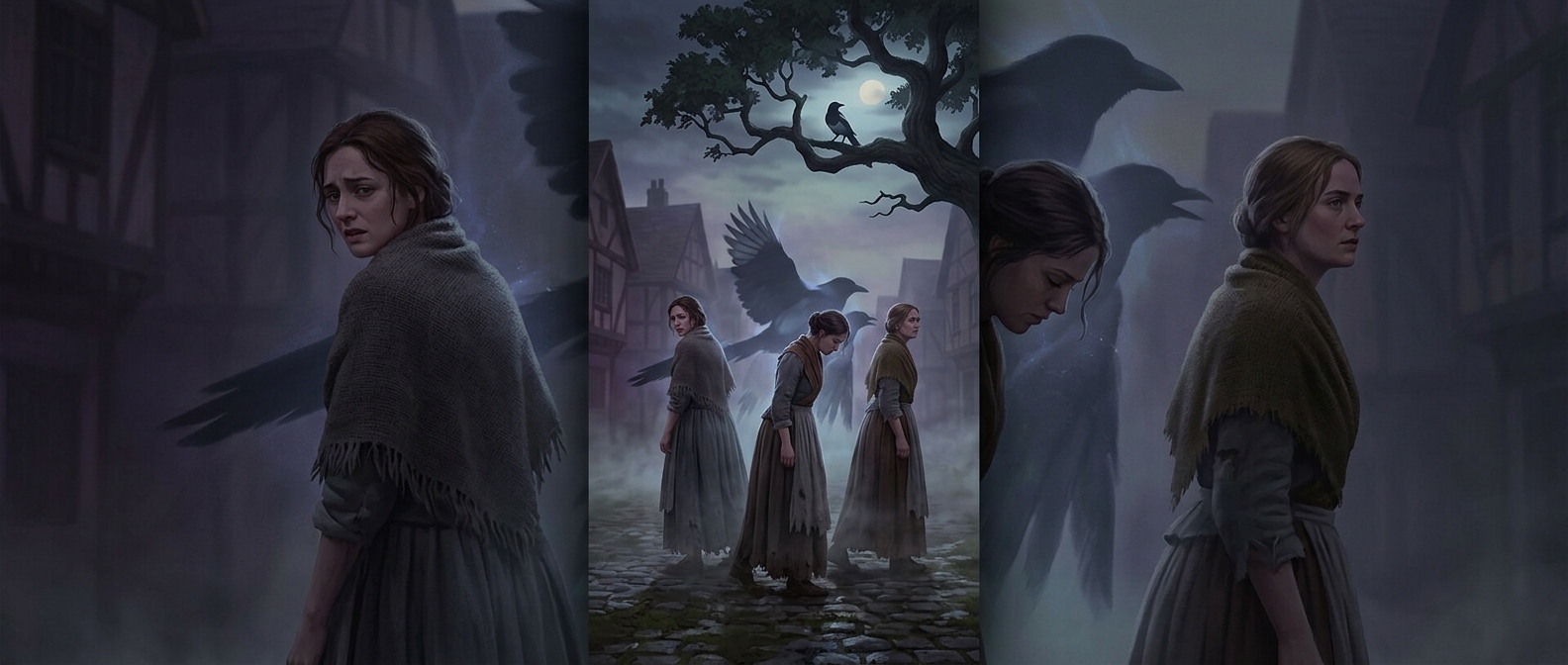
In 1589, James VI’s bride, Anne of Denmark, was delayed at sea by rough weather while traveling to Scotland. James crossed to Norway to meet her, and storms continued to trouble the royal voyage home. In the witchcraft panic that followed, Scottish authorities investigated claims that witches had deliberately raised storms against the king.
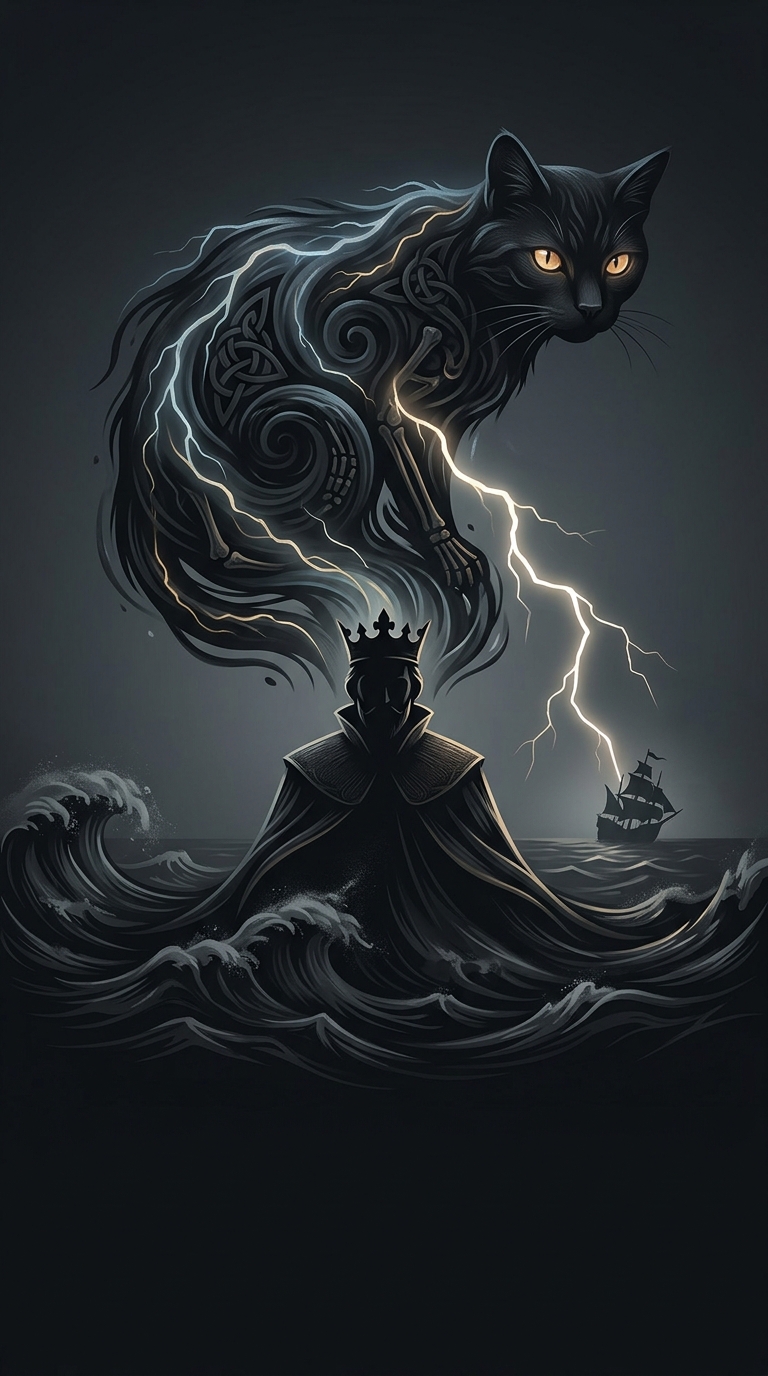
Some accused people in the North Berwick trials described a grotesque ritual involving a cat: they said it had been baptized, fitted with parts of a dead person, and cast into the sea. The story was treated as evidence of a plot, not as a sailor’s explanation for bad weather. James took a direct interest in the trials, joining a broader campaign shaped by the period’s religious conviction that witchcraft was a real, dangerous crime.
Why James wrote about demons
James set out his views in Daemonologie, published in 1597. Written as a dialogue, the book argued that witches and demons existed and that witchcraft threatened both religion and political order. It helped give a king’s authority to ideas that were already circulating in courts and churches: an unexplained disaster could be read not as chance, but as the work of human agents allied with the Devil.
That worldview made the storm story especially potent. A violent sea was a danger to the royal family; an alleged conspiracy offered James a culprit and a reason to pursue it. The account of the cat shows how far that reasoning could reach, turning a terrifying voyage into a supposed act of deliberate, supernatural sabotage.
From royal concern to Macbeth
When Shakespeare wrote Macbeth around 1606, James was king of England as well as Scotland. The play’s Scottish setting and its witches suited a monarch publicly interested in witchcraft, and its themes of prophecy and treason resonated with his concerns. James’s beliefs are an important part of the play’s context, though it would be too simple to say that one delayed voyage alone produced Shakespeare’s witches.
The lasting consequence was not just a storm tale: a king’s personal fear helped make witchcraft a matter of state, and that royal interest became part of the atmosphere in which one of Shakespeare’s most famous tragedies was written.