A birthday party is more than a snack
A child at a party is surrounded by cues that something exciting is happening: friends, games, music, attention, and often a break from the usual routine. That combination can make children louder and more active, even if the cake and sweets are not the cause. A busy room and a string of stimulating activities can also make it harder for a child to pause, listen, or shift gears.
Expectation changes what adults notice
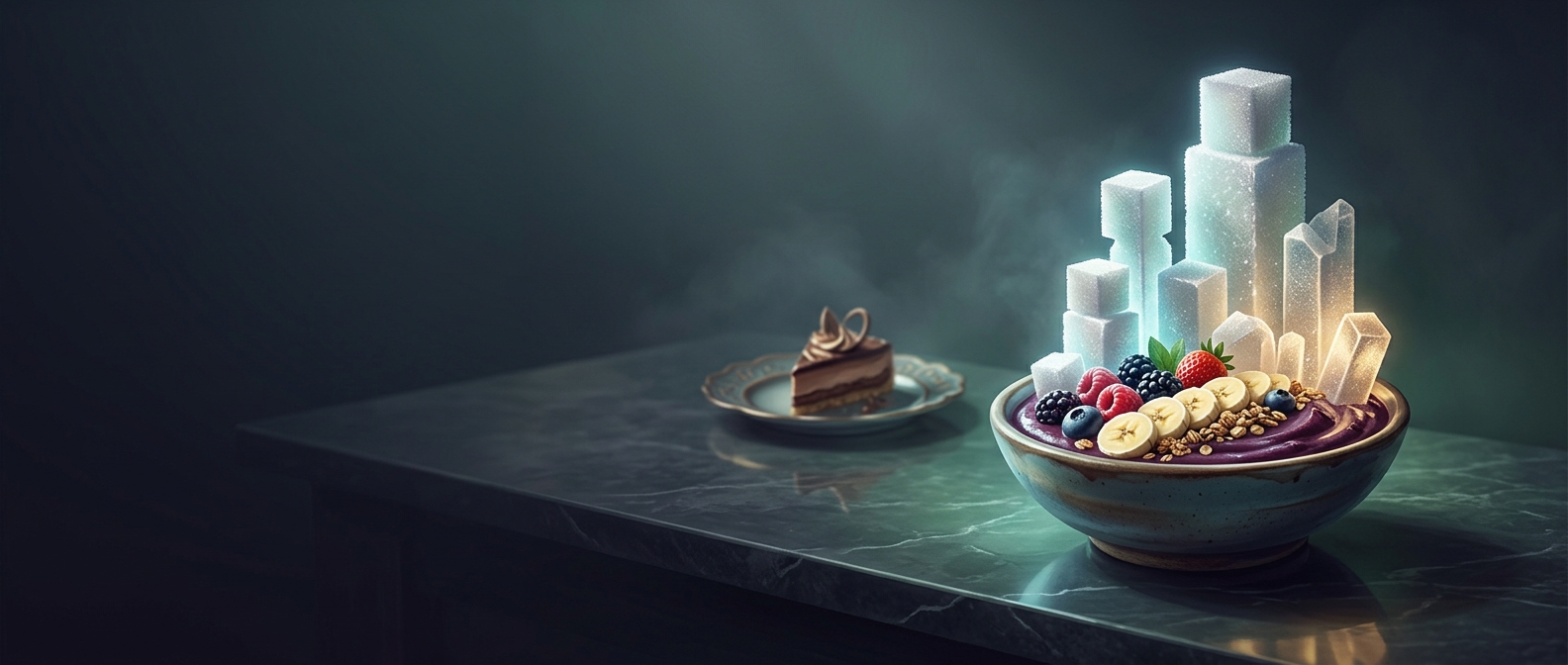
Sugar has a reputation for causing hyperactivity, so adults may connect a burst of energy with the treat that came just before it. But timing alone does not show cause. In blinded experiments—where people assessing behavior do not know whether a child had sugar—researchers have generally not found that sugar reliably makes children more hyperactive.
Expectations can shape how a lively moment is interpreted: the same running and shouting may seem like evidence of a “sugar rush” when sweets are involved. Meanwhile, the party itself is easy to overlook because it is the setting, not a single snack.
The setting can outlast the cake
Parties also tend to disrupt familiar routines. Children may be tired, overstimulated, or caught up in the group’s excitement; those factors can affect self-control and behavior. Sugar is not necessarily irrelevant to a child’s overall diet, but it is a poor single explanation for the sudden energy of a celebration.
The useful clue is what happens across the whole event: the noise, novelty, activity, and difficulty settling down often begin before dessert and continue after it. The cake gets the blame partly because it is memorable—not because it explains the party.