
A closer look
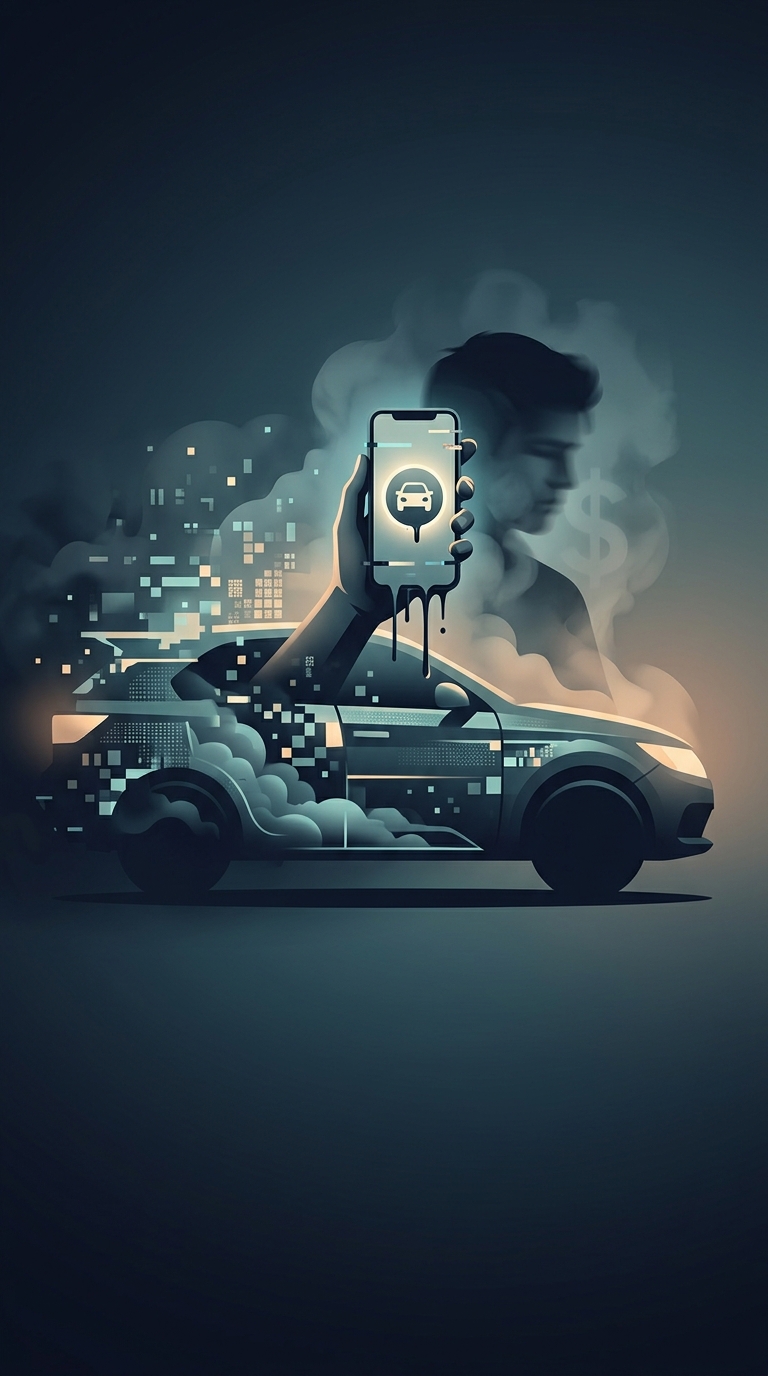
Ridesharing apps like Uber and Lyft were originally pitched to the public as a magical solution to reduce traffic congestion and lower carbon emissions, but they actually did the exact opposite. Independent traffic studies across major metropolitan areas have confirmed that these services significantly increased the number of cars clogging the streets. Instead of carpooling or taking public transit, people just opted for the lazy convenience of a private driver, putting millions of extra vehicles on the road. Furthermore, these drivers spend a massive chunk of their shifts deadheading, which is industry jargon for driving around completely empty while waiting for the algorithm to toss them a new fare. The tech industry essentially reinvented the concept of a taxi cab, slapped a slick user interface on it, and managed to make city gridlock substantially worse