The smell begins where steel meets steel
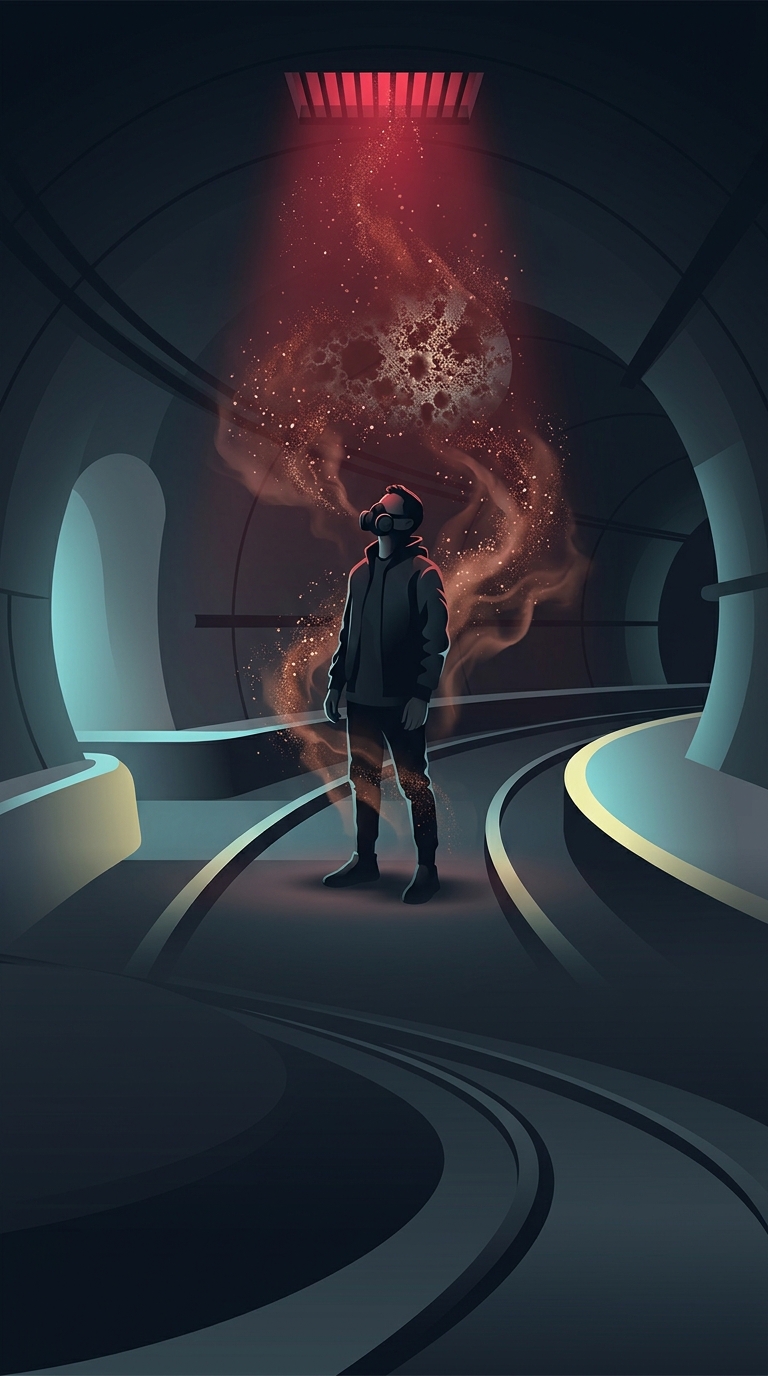
A large part of the subway’s metallic odor comes from tiny iron-rich particles released as trains run. Wheels press against rails under enormous force; the contact and friction gradually wear both surfaces. Brakes add more material as they slow a train. The resulting fine dust can become airborne and linger in the tunnels, stations, and cars.
The particles are not simply chunks of metal with a smell. Iron-bearing dust can react with oxygen and moisture, while friction and heat also create other airborne compounds. Those reactions help produce the sharp, metallic impression people notice. In enclosed underground spaces, limited air movement lets odors and particles accumulate rather than disperse quickly.
More than one source in the air
Iron-rich dust is a major contributor, but it is not the only one. Electrical equipment can produce ozone—a sharp-smelling gas formed when electrical energy acts on oxygen. Brake materials, lubricants, and the everyday mix of odors brought in by passengers can add further notes. The balance changes with the train, station, ventilation, and operating conditions.
That is why the smell can seem strongest near the tracks or after trains pass: the odor is tied to the work of the system itself. Each journey involves repeated friction, braking, and electrical activity, continuously refreshing the mixture in the air.