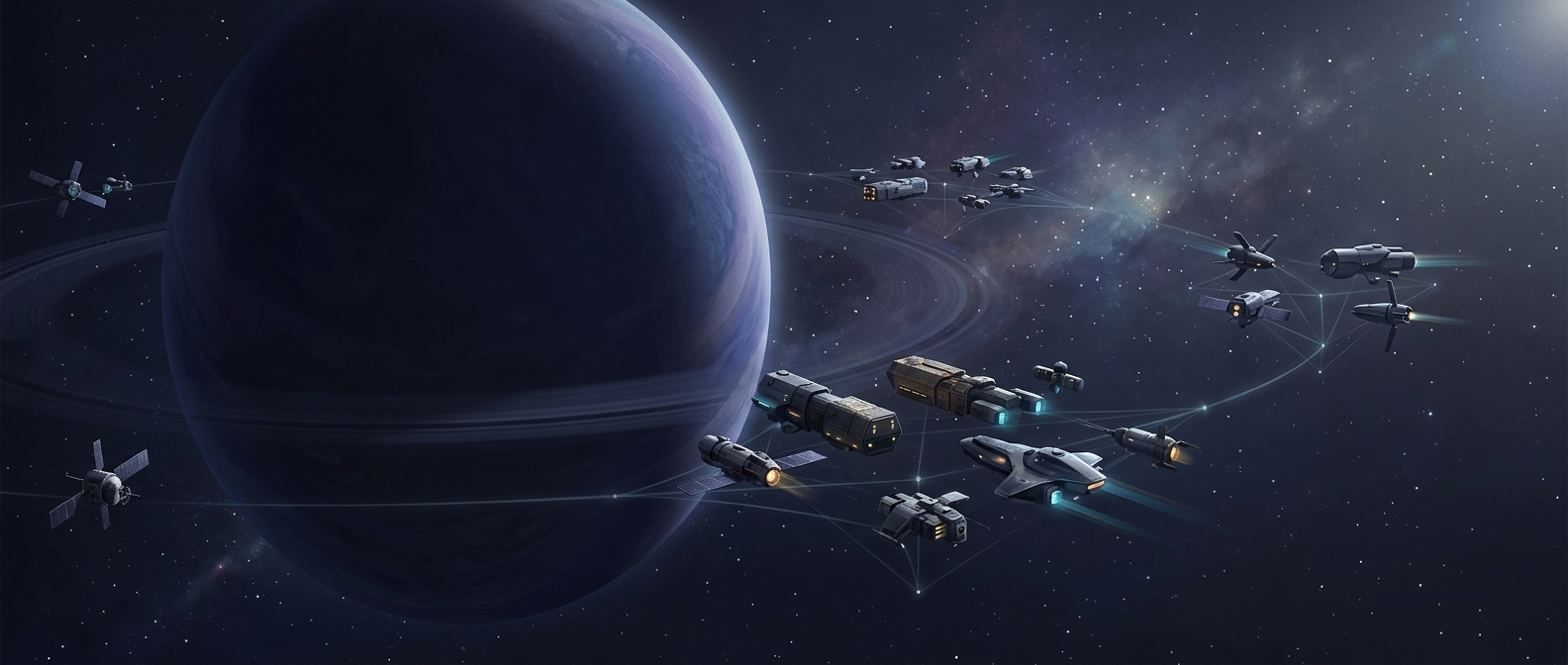
How a spacecraft can hover beside a moving planet
A Lagrange point is not a fixed spot in empty space. It is a location defined by two orbiting bodies—such as Earth and the Sun—where their combined gravity can support a spacecraft moving around the Sun at the same rate as Earth. In a frame that turns with the pair, the spacecraft can appear nearly stationary.
That balance is easiest to picture in the rotating frame. Gravity pulls the craft toward the larger bodies, while the motion needed to follow their orbit contributes an outward effect. At certain locations, those influences combine so that a spacecraft can remain near the same relative position without continuously thrusting to keep pace with Earth.
“Parking” still takes occasional corrections
Most useful Lagrange points are not perfectly stable parking spots. Near points such as those on the line between Earth and the Sun, a small drift can grow: a spacecraft that slips slightly off course may move farther from the desired path. Mission controllers therefore make periodic station-keeping maneuvers—small engine burns that nudge it back.
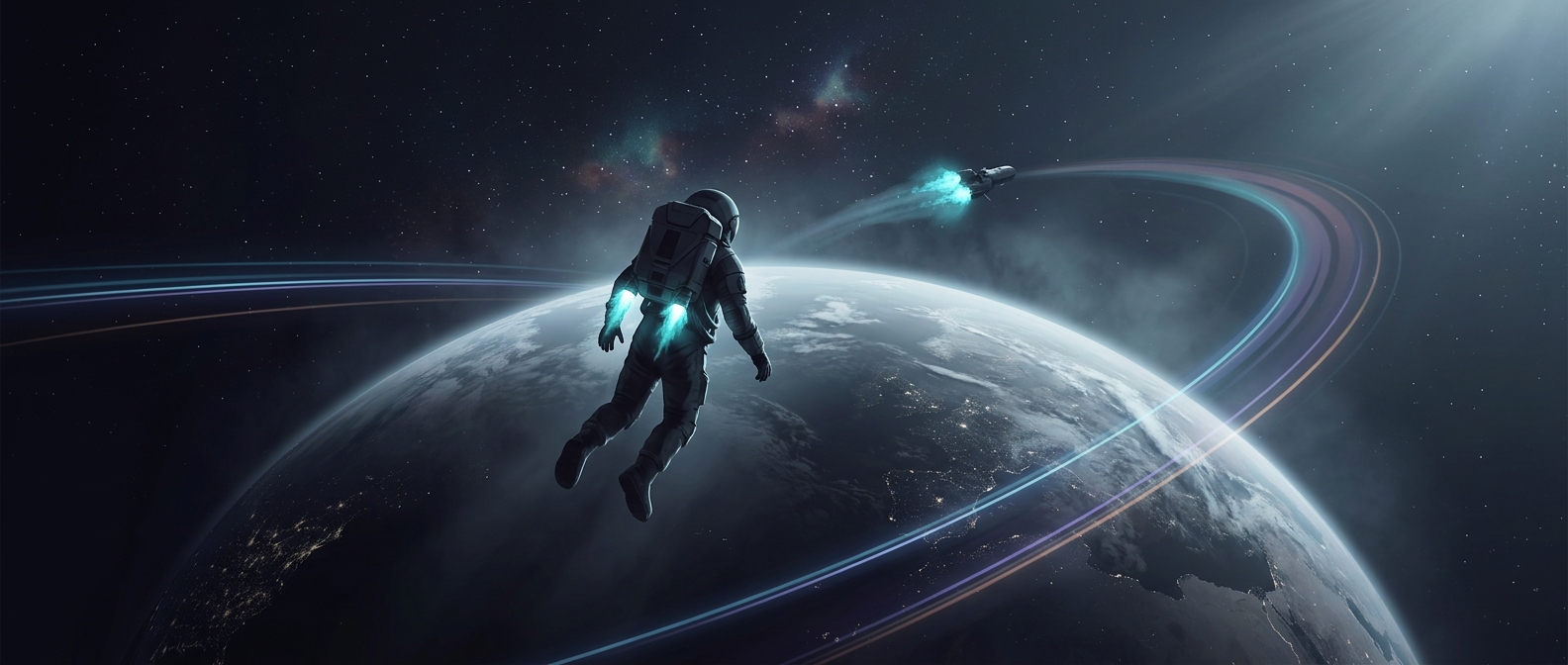
Spacecraft also commonly follow looping paths around a Lagrange point rather than sit exactly on it. These orbits provide room to operate and help avoid Earth’s shadow or interference from the planet, depending on the mission. The point acts as an orbital anchor, not a physical platform.
This arrangement is useful because a spacecraft can keep a steady view of a region of space while spending far less fuel than it would need to repeatedly fight its way back from an ordinary orbit. The tradeoff is that “parking” means managing a delicate path, not switching off the engines forever.