Why the Sticks Stand In for a Skater’s Feet
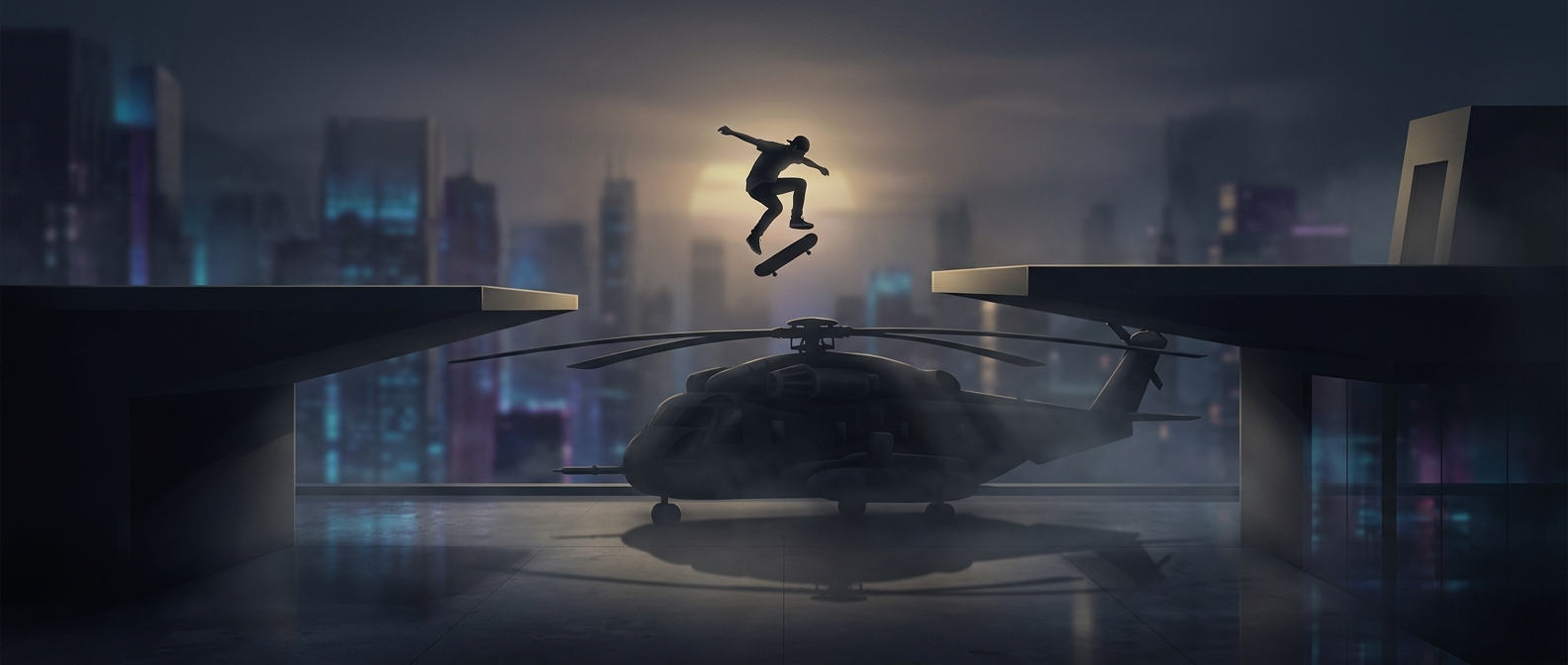
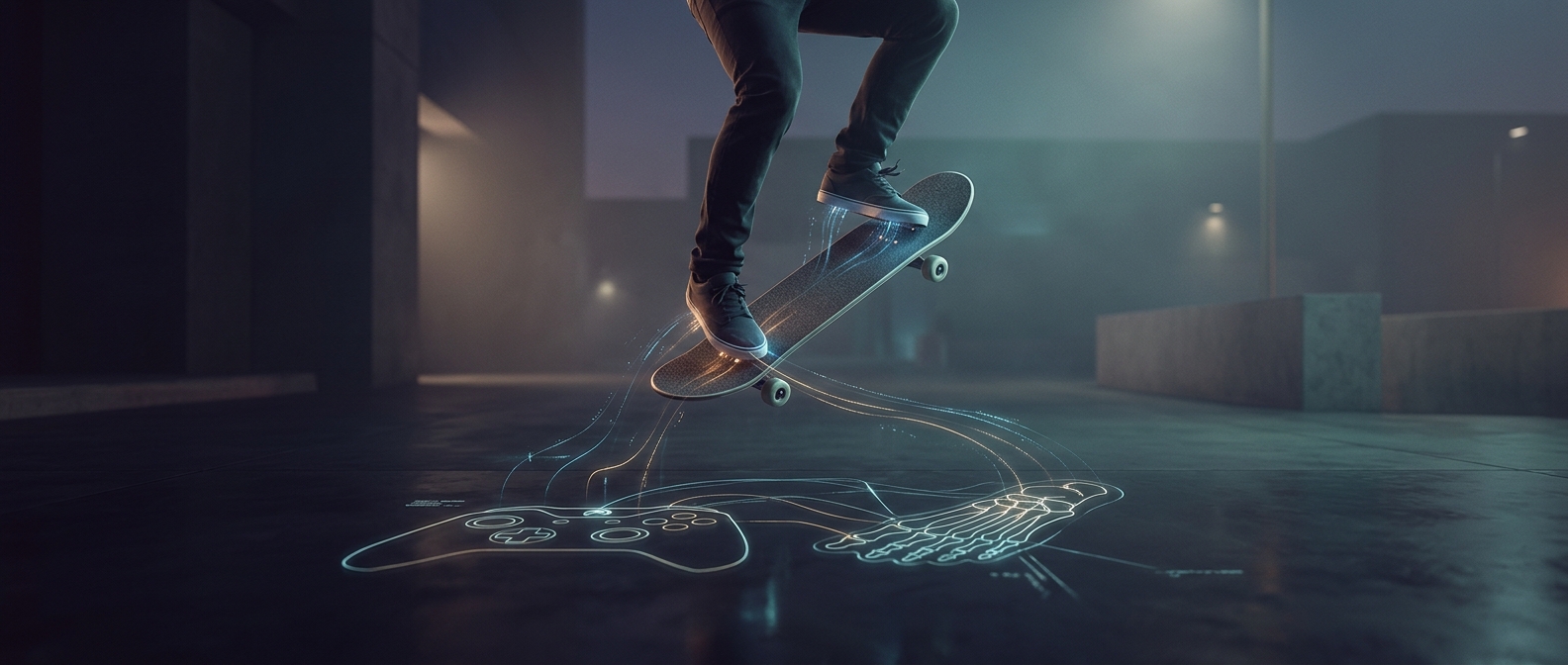
A button press can tell a game, “do a kickflip.” Flick-based controls ask the player to perform a small version of the motion instead. The controller’s analog sticks register direction and movement, so the trick depends on coordinating inputs rather than simply choosing a command from a menu.
That changes what the player is practicing. A trick has a sequence: the skater sets up, snaps the tail of the board, and guides the board through its rotation. The game compresses those actions into stick movements, making the order and rhythm of the flicks part of the challenge. A mistimed or poorly coordinated motion can spoil the attempt, much as a rushed foot movement can disrupt a real trick.
A Different Kind of Difficulty
The design makes the controls more demanding to learn, but also gives players more direct responsibility for each attempt. Instead of memorizing which button triggers a trick, they build coordination with the sticks and learn how small changes in their movement affect the result. Landing a difficult trick can therefore feel less like selecting the right option and more like having executed it.
The tradeoff is that the controller is only an approximation: thumbs move sticks, not a skateboard, and the game has to translate those movements into a readable trick. Still, the central idea is tangible. The player does not just ask the skater to kickflip; they have to make the motion that sets the trick in motion.