A forecast built around the calendar
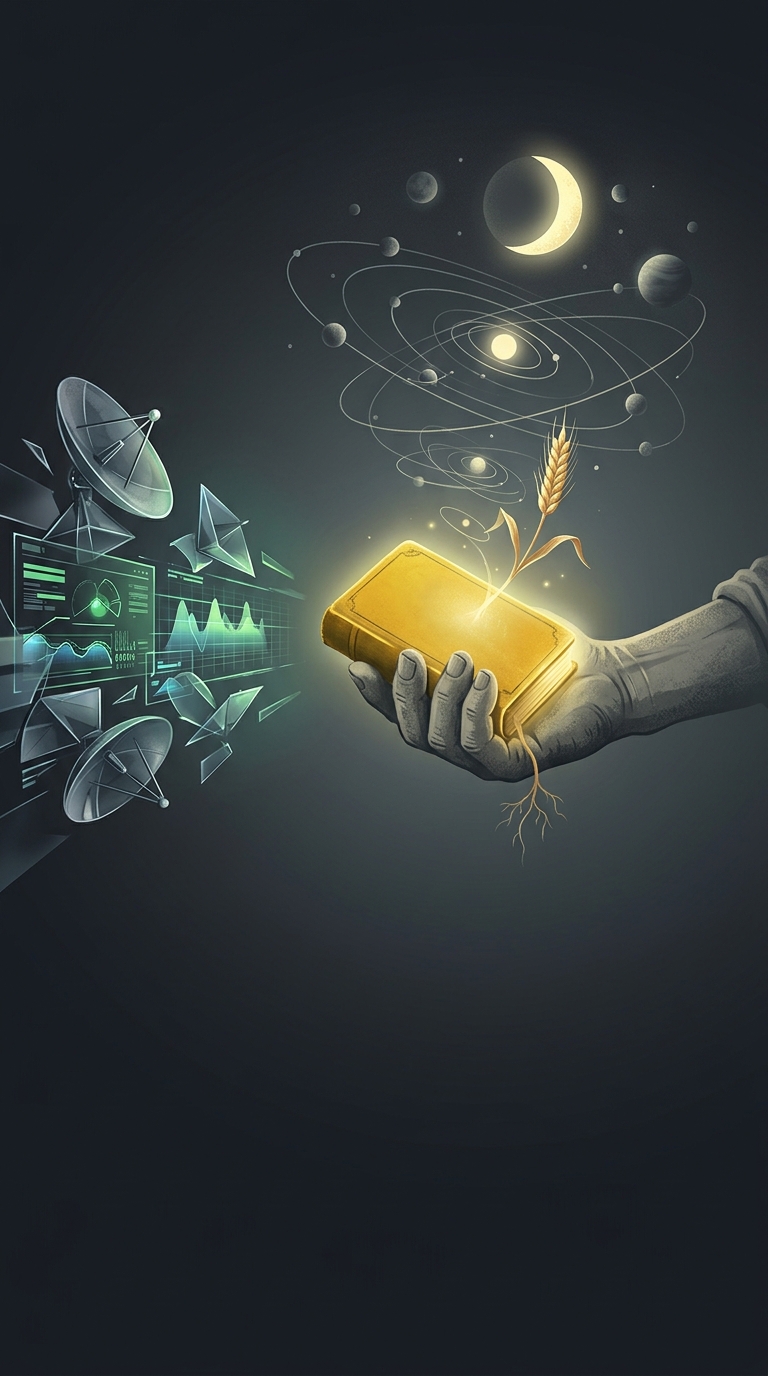
For generations, the Farmers’ Almanac has treated the sky as a long-range guide. Its approach draws on astrological calculations and lunar cycles—patterns in the Moon’s changing position and phases—to make predictions months ahead. That is a different kind of forecast from a modern weather model, which calculates how air, moisture, and heat are moving through the atmosphere.
The distinction matters because a calendar pattern is not the same as a demonstrated weather mechanism. The Almanac’s formulas are not laid out as a reproducible atmospheric model, so readers cannot inspect them the way forecasters evaluate a model’s inputs and performance. Its appeal instead rests partly on a familiar promise: that recurring patterns in the heavens can help anticipate what a season may bring.
Why farmers may still consult it
A harvest is not a single date. It depends on a crop reaching maturity while weather, soil conditions, and farm schedules line up. A long-range forecast can therefore serve as a planning prompt: a farmer might use it to think ahead about a likely harvest window, then adjust as the season unfolds and local conditions become clearer.
That does not make an almanac a substitute for observing a field or checking current forecasts. Rather, it can sit alongside those tools as a traditional seasonal reference. Its persistence reflects both the practical need to plan ahead and the enduring attraction of a weather forecast tied to the rhythms of the sky.