How Meltwater Opens a Route Through the Ice
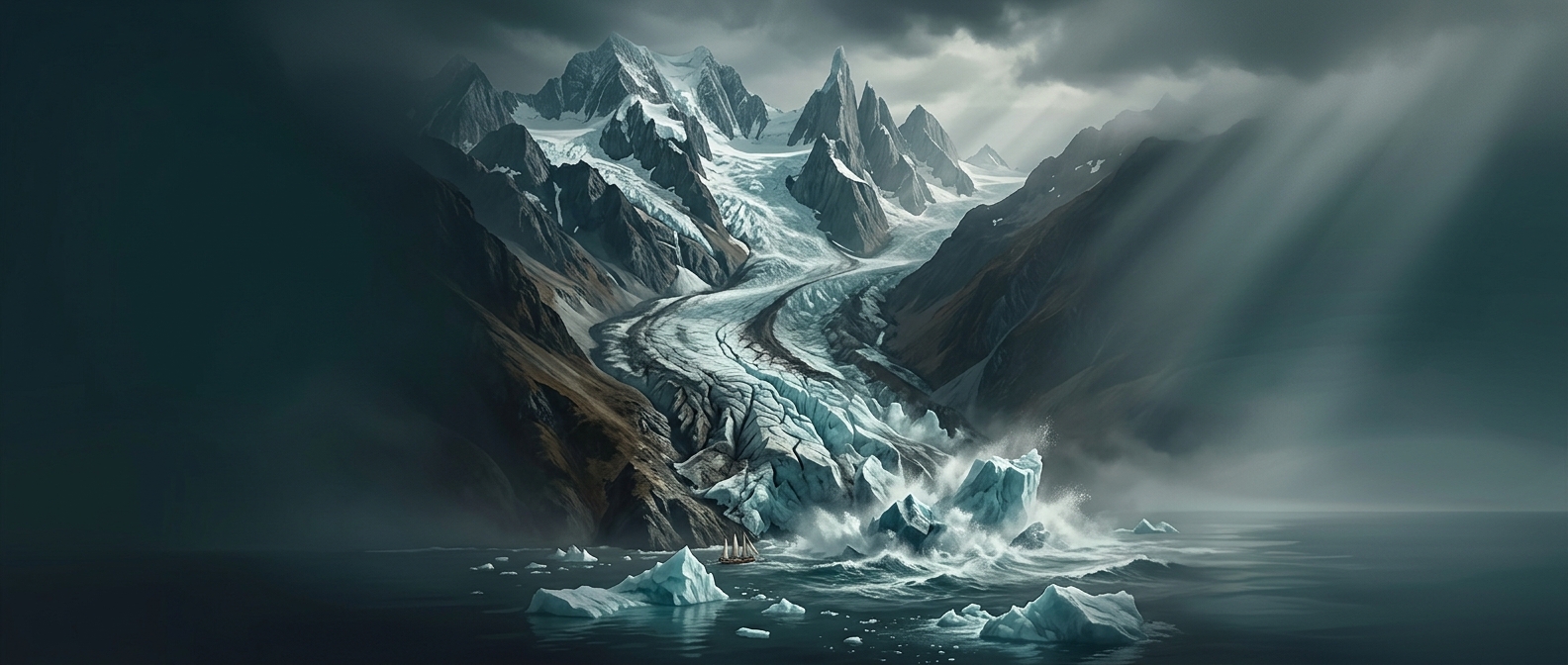
Vatnajökull is not a solid, motionless block. In warmer months, meltwater runs across the glacier and can sink through cracks or follow channels beneath the ice. That moving water erodes the underside, enlarging passages into caverns. When colder weather reduces the flow, some of these channels become accessible as ice caves.
Their shape depends on water, not on a fixed blueprint. A change in meltwater flow can deepen one passage, abandon another, or undermine a ceiling. Meanwhile, the glacier itself creeps downhill under its own weight, slowly deforming the ice around the cave.
Why the Ice Looks Blue
Glacial ice has been compressed over time, squeezing out some of the tiny air bubbles that make fresh snow look white. In thick, relatively clear ice, light travels farther: the ice absorbs more of the longer red wavelengths, while more blue light reaches the eye. The color can vary with the ice’s thickness, clarity, and lighting, so not every cave glows the same vivid shade.
A Cave Is a Route, Not a Permanent Room
A passage that was stable enough to visit last winter may have changed by the next one. Water can reopen or erode it; flowing ice can bend or crack its walls and roof. That makes each season’s access a fresh assessment, rather than a matter of returning to a reliable landmark. Guides check conditions and choose routes that appear safe; a cave is not made safe simply because it was visited before.
The practical consequence is that an ice-cave visit depends on the glacier’s current shape and conditions. The striking blue chamber is temporary not just in appearance: the path into it can change, narrow, or disappear altogether.