Hawaii’s roadside views were treated as worth protecting
A billboard does more than add an advertisement to a road. Its height and scale can pull attention away from the landscape, and a row of them can turn a view into a sequence of commercial messages. Hawaii’s 1920s ban on roadside billboards addressed that change before large signs became a routine feature of highways.
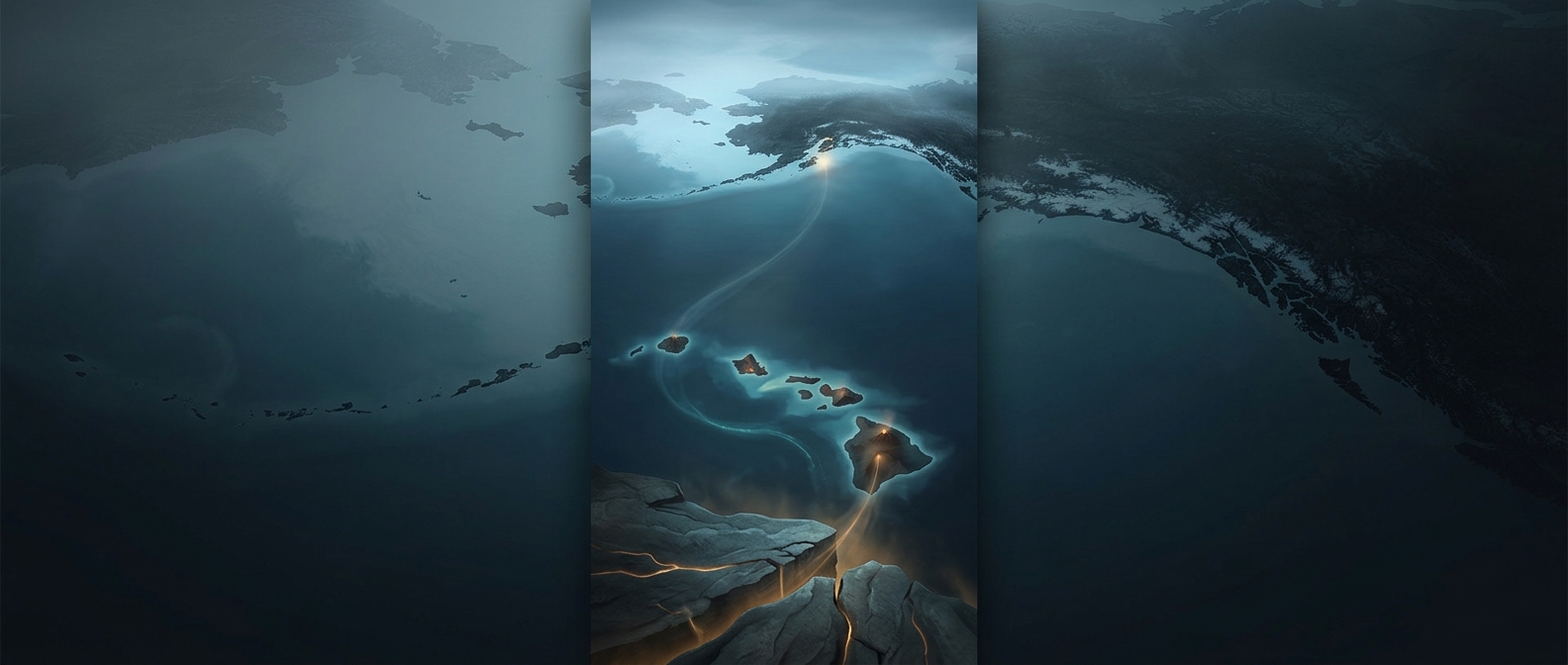
The aim was to keep the islands’ natural scenery visible—including volcanoes—not to make every road an untouched wilderness. The distinction is between signs that advertise a business or product away from its location and signs that help people find a place. The restriction targets the roadside billboard, rather than eliminating all signs.
The view is part of the journey
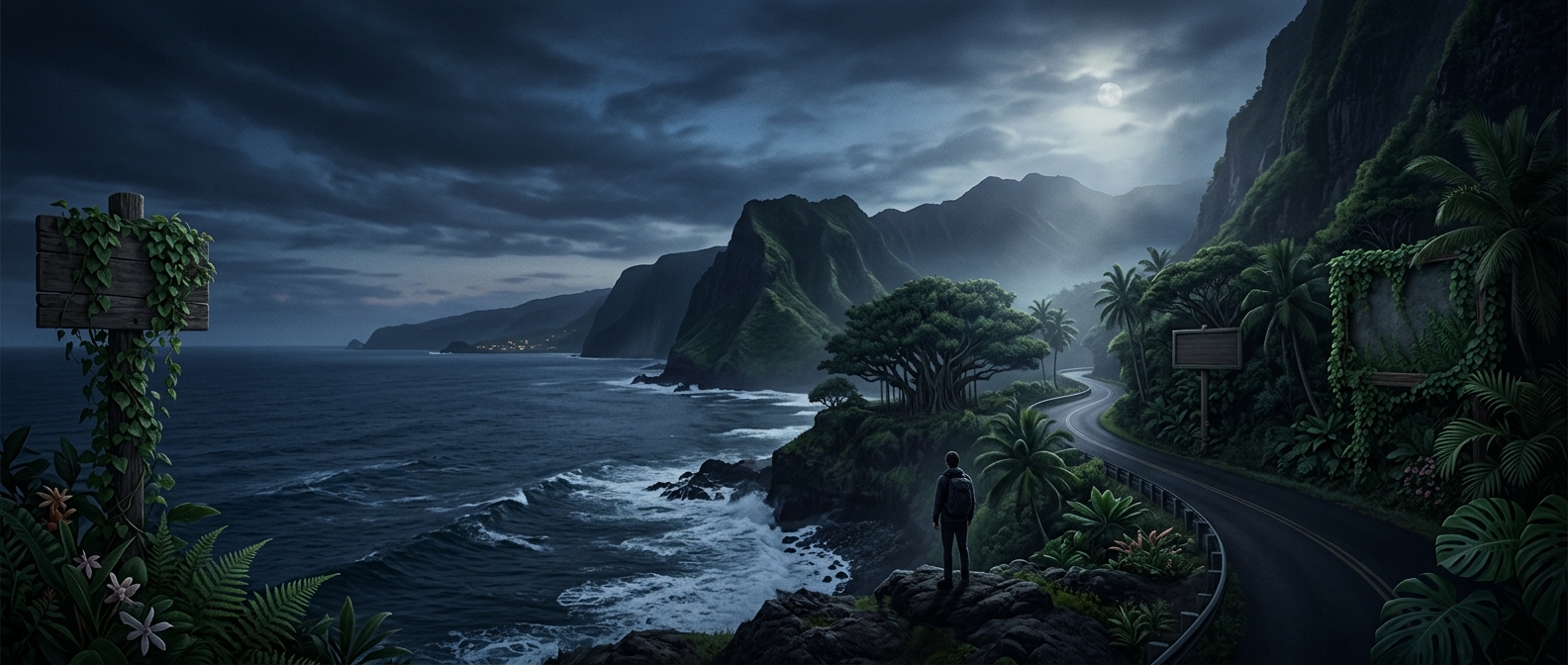
In Hawaii, a drive can pass through open country with a volcano or coastline in the distance. A billboard planted beside the road would occupy the same field of view, often at the very moment a traveler could otherwise take in the larger landscape. Removing that competing visual landmark helps the scenery remain the road’s dominant backdrop.
That choice also shapes what visitors remember: not just where they stopped, but what they saw between destinations. The tradeoff is straightforward. Businesses lose a prominent way to reach passing drivers; residents and travelers get roadsides less crowded with advertising. The absence of billboards is itself a visible result of the state’s decision to protect the view.