A Flight Number Is a Label, Not a Route
A flight number helps passengers and airline staff identify a particular scheduled service. It appears on tickets, departure boards, baggage tags, and operational records. It does not permanently belong to a particular airplane: aircraft can be swapped, and the same plane may operate many different flights.
That distinction lets an airline change the number without changing the journey. If a service associated with a fatal crash is scheduled again, the airline can assign it a different number while continuing to fly between the same cities. The new label can also be used for a different departure time or schedule, depending on how the airline organizes its flights.
Why Retire the Number?
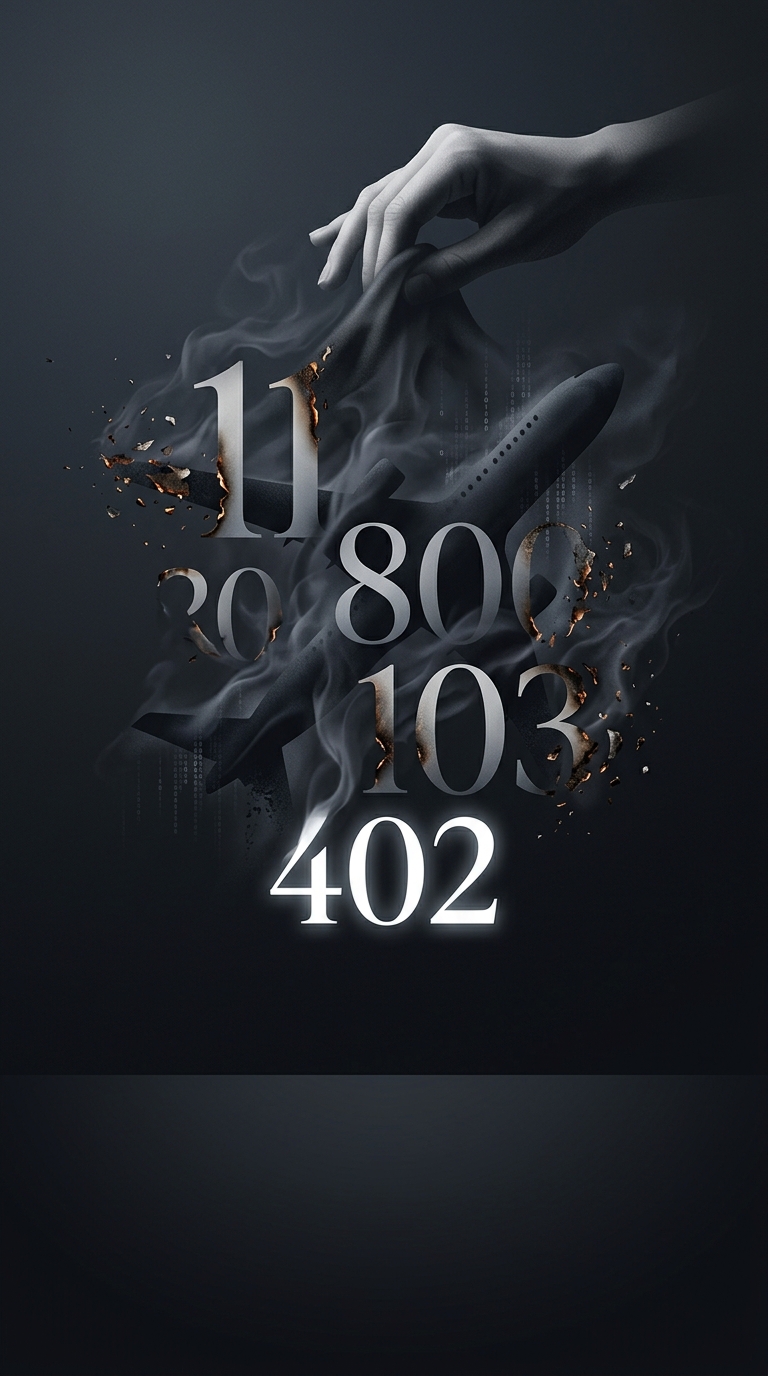
After a crash, the old number can become inseparable from news coverage and the loss of life. Seeing it again on a boarding pass or departure screen may be distressing for survivors, relatives, employees, and passengers. Reusing it could also invite confusion or unwanted attention. Retiring it is a small, visible way for the airline to acknowledge that association and avoid placing the same label back into everyday use.
It is not a technical requirement, and airlines do not have to treat every incident the same way. Flight numbers are part of a changeable scheduling system, so replacing one is straightforward compared with changing the route, aircraft fleet, or airport arrangements. The decision is usually about the meaning attached to the number, not about any special property of the flight itself.
The Route Continues; the Number Does Not
A changed number cannot undo a crash, and it does not imply that the route or aircraft type caused it. It changes only how the service is identified. For the airline, that may be a modest administrative adjustment; for people who remember the disaster, it can prevent a painful label from reappearing in an ordinary travel transaction. The cities may remain connected by air, but the old number can be left behind.