A quiet room is a safety measure, not a lounge
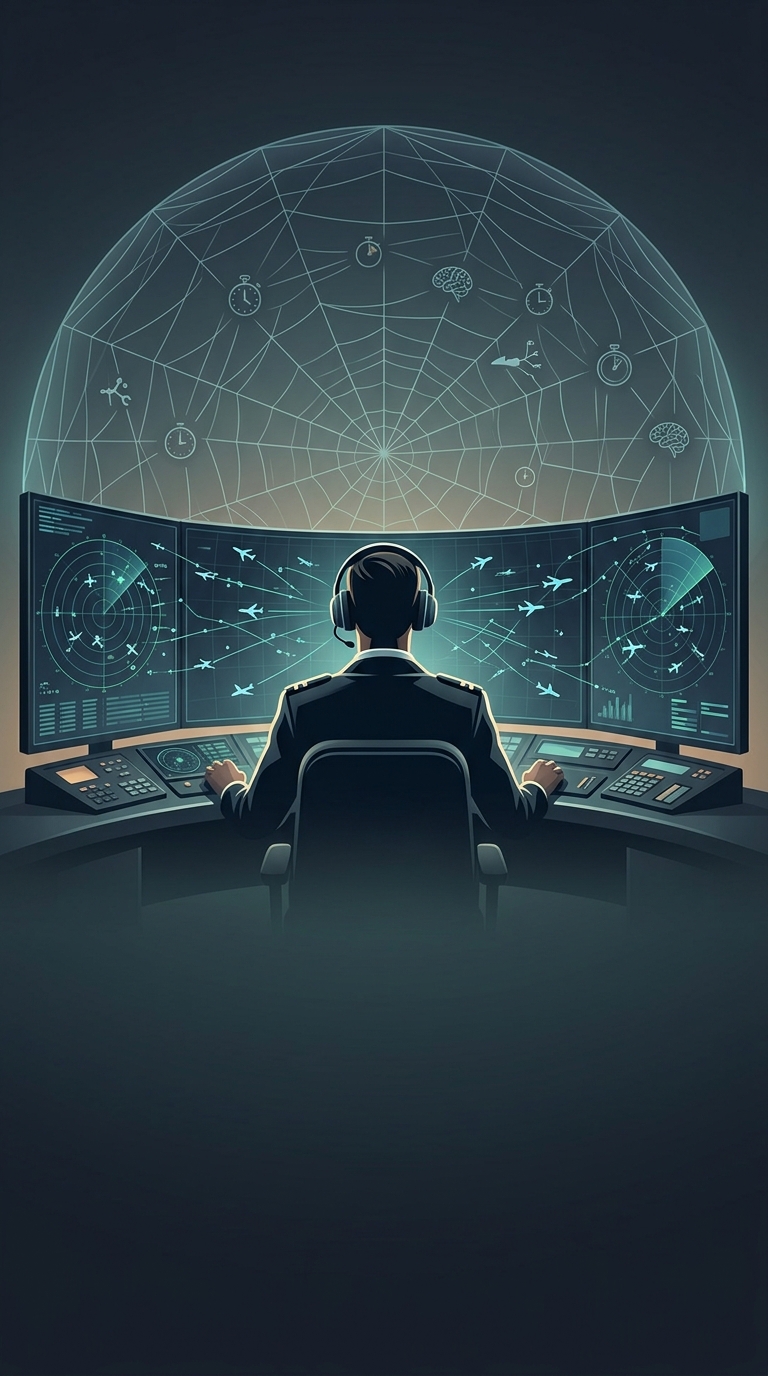
Air traffic control depends on sustained attention: controllers must notice small changes, keep track of multiple aircraft, and make decisions under time pressure. Fatigue can make that work harder by slowing reactions and making it easier to miss a detail. A dark, quiet room gives a tired controller a chance to rest away from radio traffic, alarms, and bright screens.
The room is useful because sleepiness is not always solved by willpower. A brief period of rest may restore alertness, especially during the body’s natural low points in the daily sleep–wake cycle. Darkness and quiet reduce interruptions that can prevent someone from settling down.
Rest has to fit around live traffic
A controller cannot simply step away while responsible for an active position. Any rest break has to be coordinated so another qualified person can cover the work, and the timing depends on staffing and traffic. Practices differ among facilities; a fatigue room does not mean controllers can nap whenever they choose.
There is also a reason rest must be managed carefully: waking from sleep can bring sleep inertia, a temporary groggy period in which thinking and reaction may be slower. A break needs to end with enough time for the person to become alert before returning to demanding duties.
Tucking the room out of the busy operational area helps keep it quiet and separate from the control floor. Its purpose is modest but important: create a chance for recovery without letting rest interrupt the continuous coverage aircraft depend on.