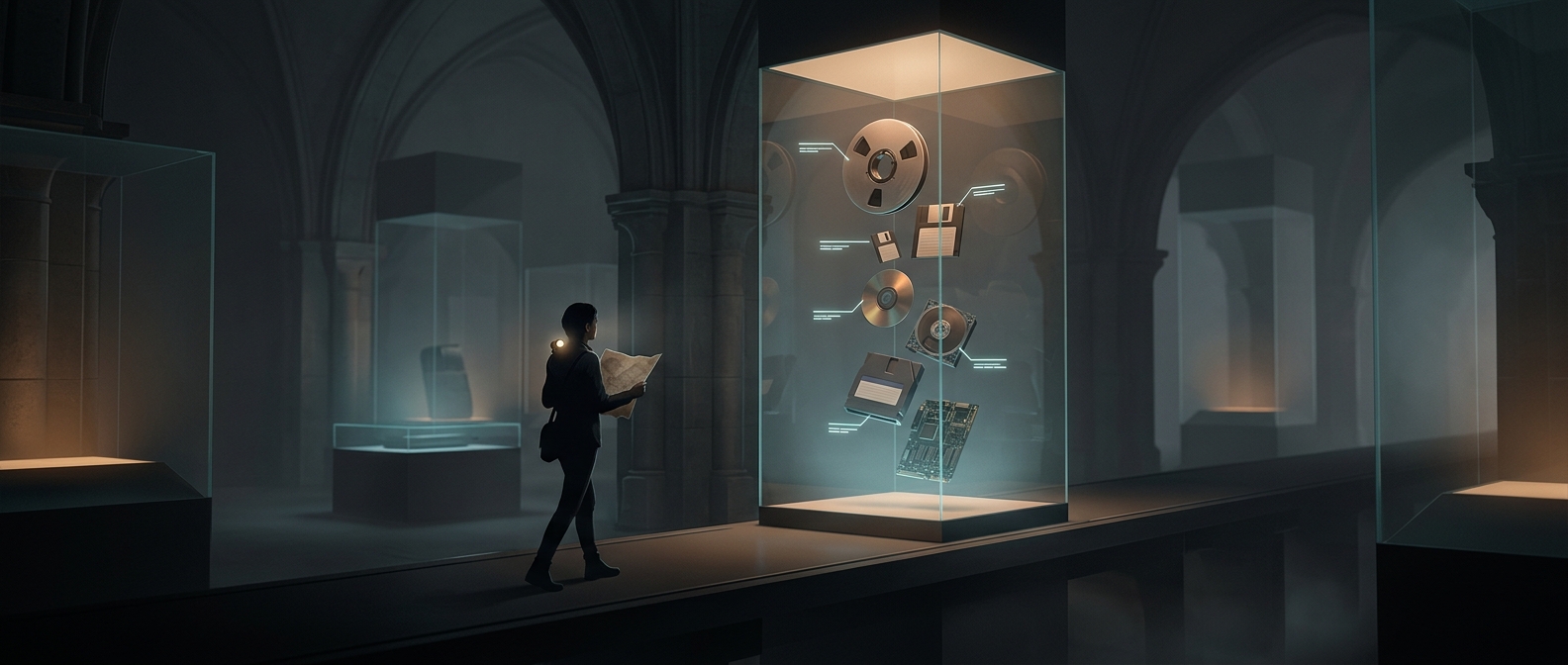
A format can outlast the machine that reads it
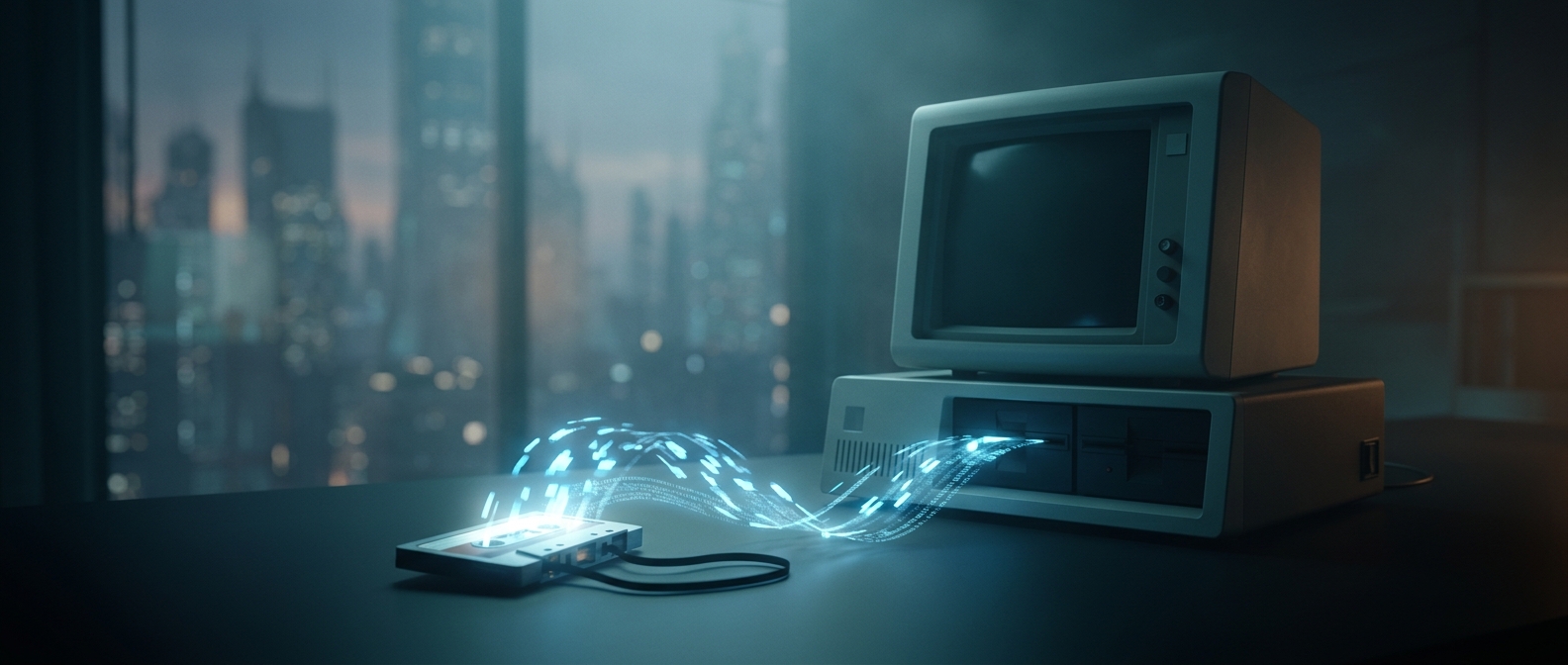
A storage format is more than the object in a drawer. It depends on a chain: the medium itself, a working drive or player, compatible connections, and software that can interpret what was recorded. If one link disappears, the information may remain physically intact while becoming difficult to reach.
That is why old media can be harder to preserve than it looks. A Zip disk needs a functioning Zip drive; a Betamax tape needs a compatible video player; a MiniDisc needs a player that can read the disc’s recording format. Even when a device still works, connecting it to modern equipment or transferring its contents may require adapters and specialist knowledge.
Familiarity once depended on an ecosystem
These formats made sense within particular moments in consumer technology. Zip disks offered removable computer storage, Betamax tapes recorded video, and MiniDiscs combined portable audio with rewritable discs. Each was useful because compatible machines and accessories were available—not because the format was guaranteed to last.
As newer products took over, manufacturers stopped making many of those machines, while repair expertise and replacement parts became harder to find. The shift was not simply from “old” to “new”: it changed the practical route to the material stored on the media. A recording that once played at the press of a button can become a transfer project.
Preservation means keeping the route open
Museums preserve these objects as evidence of how people used technology, but the devices also show why preserving digital material requires more than keeping a disk or tape. The means of reading it may need care too. A shelf of obsolete formats is therefore also a record of vanished dependencies—the players, drives, and everyday habits that once made their contents accessible.