How a soap opera keeps its past in the room
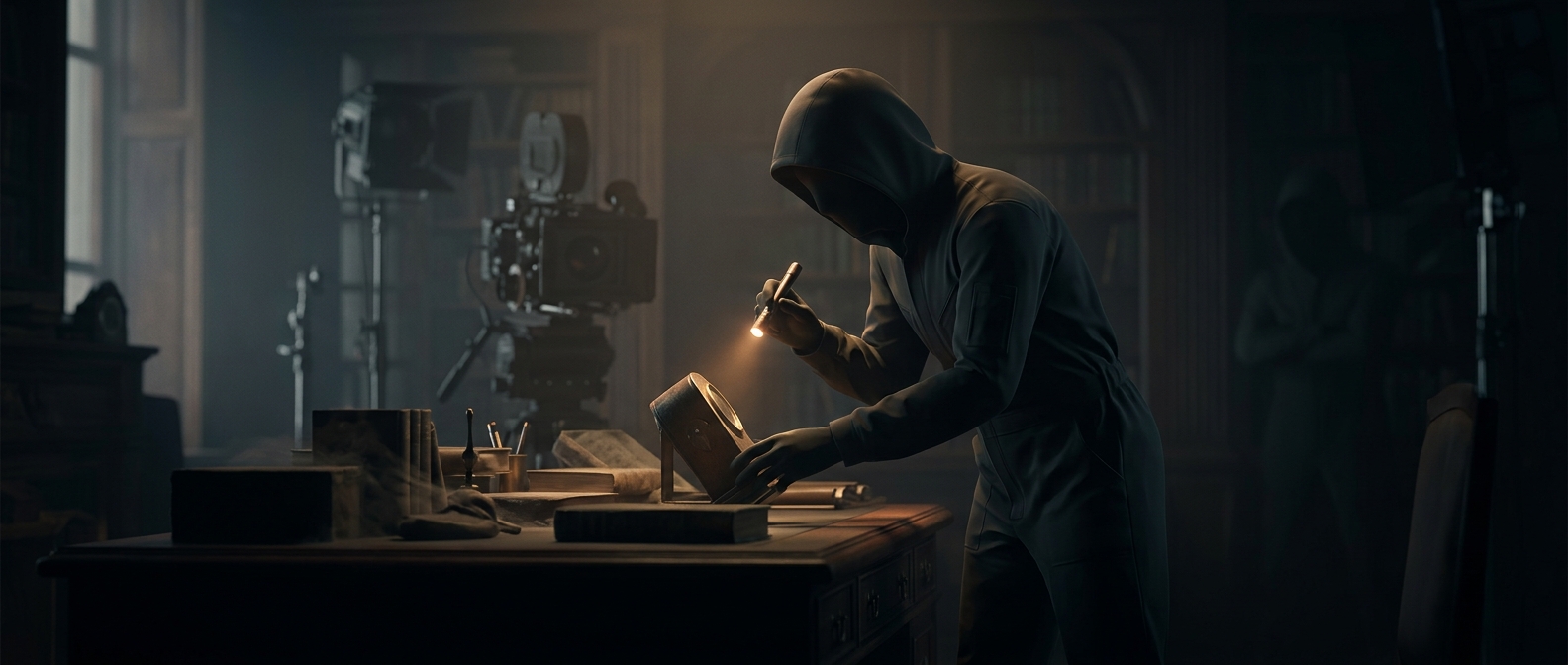
A long-running soap opera is not just a sequence of episodes; it is a shared fictional record. A character may have a marriage, a child, a changed identity, and a secret history that only becomes relevant years later. Continuity staff help keep those details aligned as new scripts add to the story.
The story’s facts become working tools
The job is part record-keeping, part quality control. Staff track details such as who knows a secret, when a relationship began, and what has already happened to a character. When a new plot is proposed, those records can reveal a conflict: a character cannot plausibly learn a secret twice, or be in two places at once, unless the story explains why.
This matters especially when several writers contribute to an ongoing series. A continuity reference gives them a common account of the fictional past, while checks on scripts help catch contradictions before they reach the screen. It does not dictate what the story must do; it makes the consequences of a new twist visible.
The past can limit—and power—the next twist
Soap operas rely on surprise, but surprise works best when viewers can connect it to what came before. Continuity lets writers build a revelation from old clues rather than treating every episode as a fresh start. It also narrows the available choices: a dramatic marriage, return, or change of identity has to fit—or deliberately overturn—the established record.
That record is what lets a seemingly impossible revelation feel like a twist in the same story, rather than a mistake in a different one.