Why Back-to-Front Boarding Creates Aisle Traffic
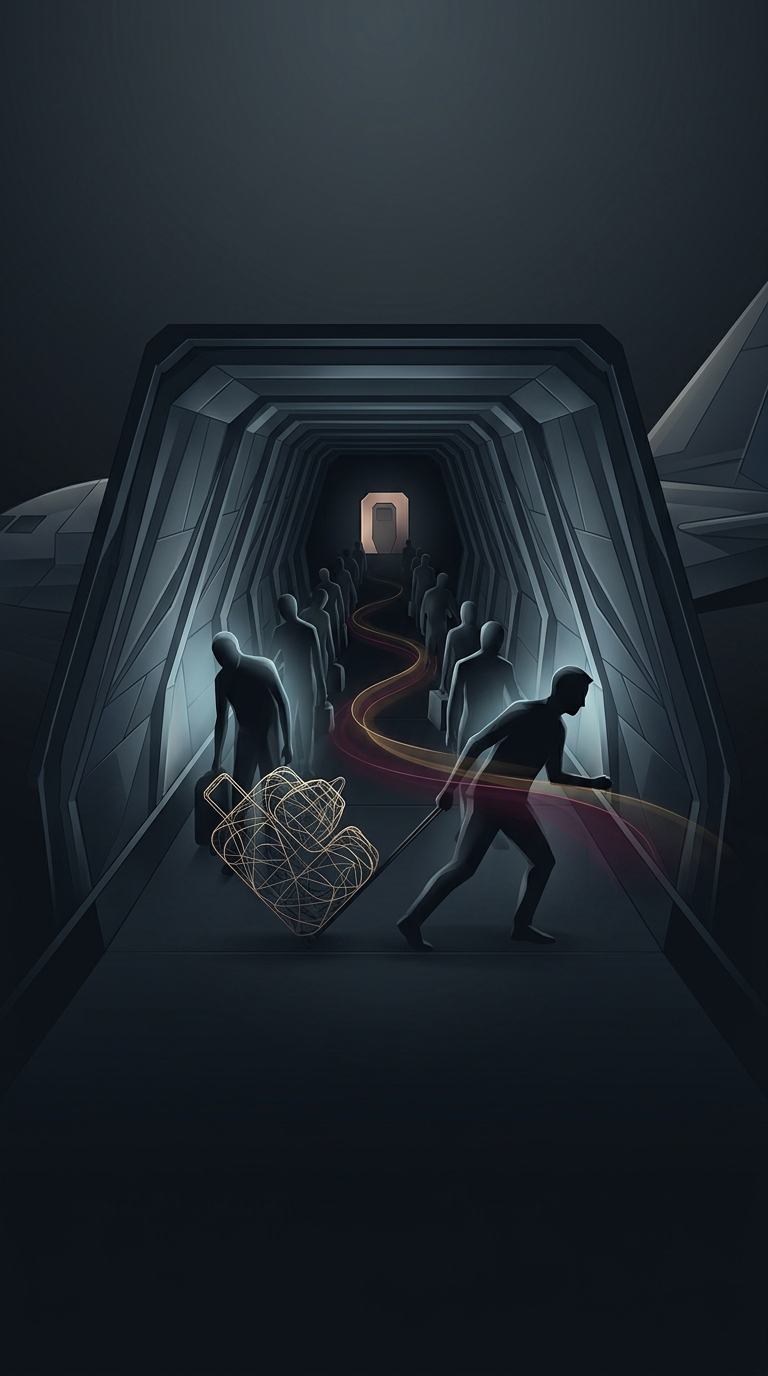
A boarding group can be called “back to front” and still move slowly because passengers do not enter their rows at the same time. One person may stop to lift a bag into an overhead bin while everyone behind waits in the aisle. If several passengers in the same group reach their seats together, they can also block one another as they step past occupants to reach window or middle seats.
That makes the order of seat access important. Boarding window seats before aisle seats can reduce the need for seated passengers to stand up or for others to climb over them. A random order can also spread passengers across the cabin instead of sending a dense stream into one section at once. Neither approach eliminates delays: bags still need stowing, and passengers still have to find their seats.
Speed Is Only One Boarding Goal
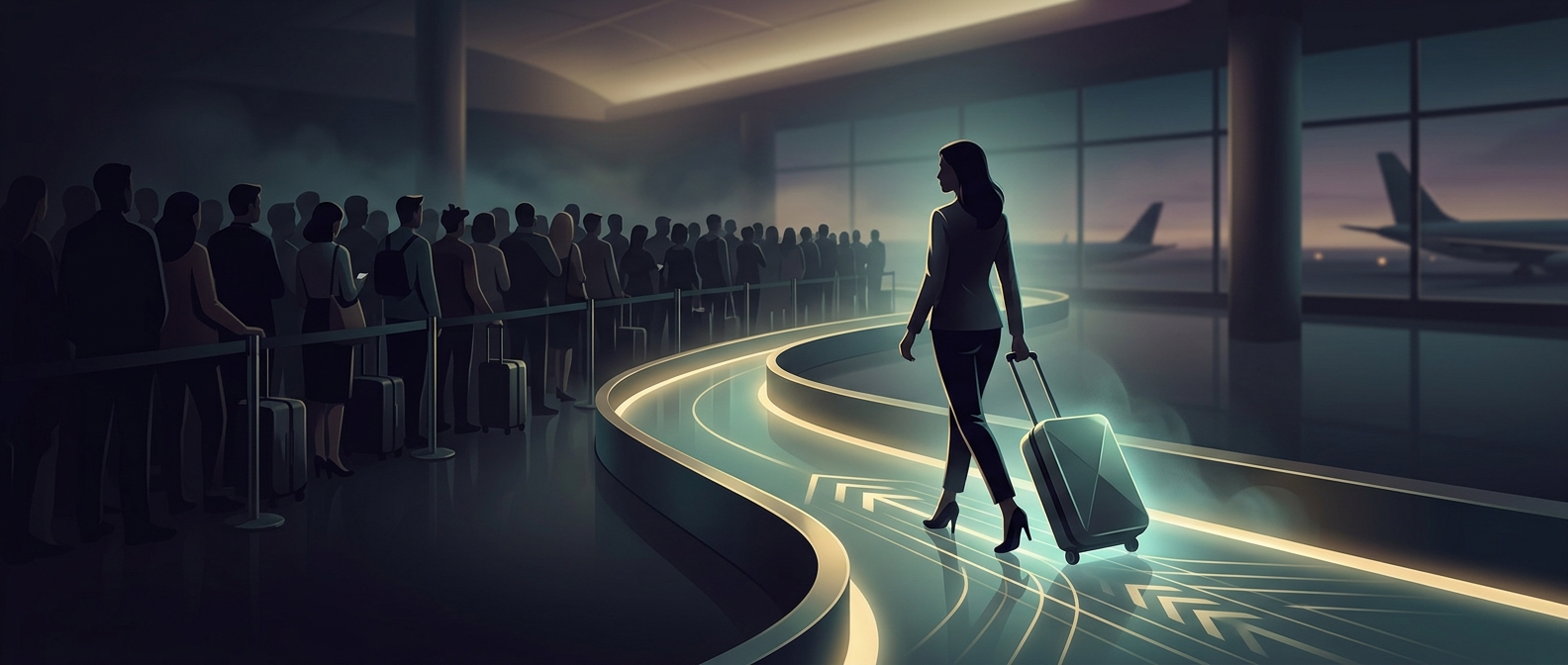
Airlines are balancing more than the time it takes to fill the cabin. Priority boarding lets passengers who paid for a premium fare or an add-on board early, and it gives them a practical benefit: a better chance to settle in and find overhead-bin space. A strictly efficiency-focused sequence could conflict with that promise or be harder to explain and manage at the gate.
The tradeoff is visible in the aisle. Giving premium passengers early access can make the process feel orderly and rewarding, even if another sequence might move the whole cabin faster. Boarding rules therefore reflect customer expectations and operational simplicity as well as the mechanics of getting people into seats. The slowest-looking part of boarding may be not the walk down the aisle, but the pause while one passenger stows a bag and the line behind them has nowhere to go.