A journey small enough to fit in a cabinet
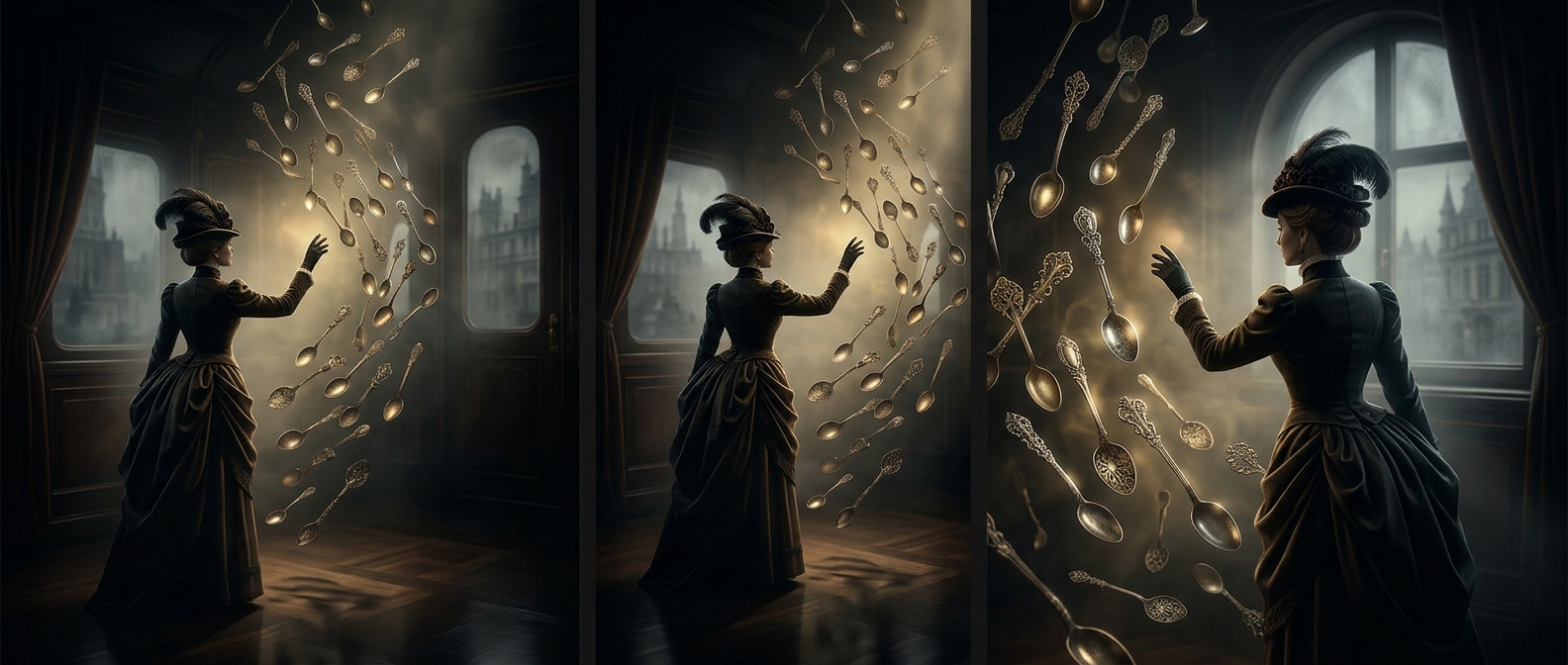
A miniature spoon solved a souvenir’s basic problem: it could stand for a place without taking up much room. Travelers could bring home a small object marked with a destination, then add it to a growing collection rather than finding space for bulky keepsakes.
The spoon also made an especially legible travel memento. Its handle could carry a place name, emblem, or local image, turning an everyday utensil into a portable label for a journey. Collected together, the pieces formed a kind of map in silver and ornament: each spoon pointed to somewhere its owner had been—or wanted visitors to believe they had been.
The display mattered as much as the trip
For affluent Victorian collectors, the appeal was not simply practical. Decorative spoons could be arranged in cases or on stands, where guests could inspect the designs and ask about their origins. The collection made travel visible at home, converting private experiences into objects that could signal taste, money, and worldly familiarity.
That display gave even a tiny souvenir a social role. A spoon was modest enough to acquire from many places, yet distinctive enough to prompt a story; arranged with others, it turned a cabinet shelf into a record of journeys.