A message you could read without opening
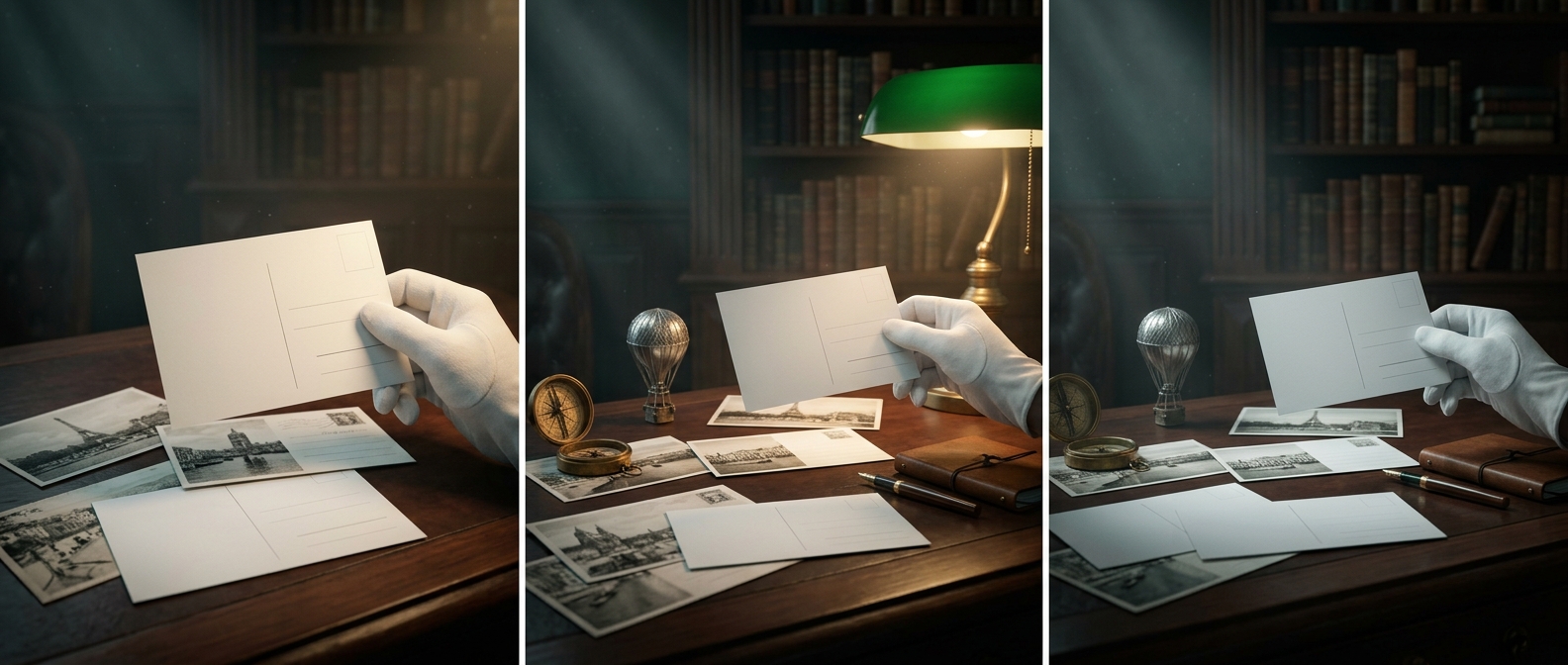
The postcard’s earliest advantage was practical: it carried a message without the extra paper and sealing of an envelope. That made the format well suited to inexpensive promotional mail. A business could print the same pitch on many cards, address them to potential customers, and send them out in bulk.
The design also made the advertisement hard to miss. Unlike a flyer tucked inside an envelope, a postcard put its printed message or image in plain view as soon as it arrived. The recipient could take in the pitch at a glance—and keep the card if its picture or subject appealed.
From promotion to personal note
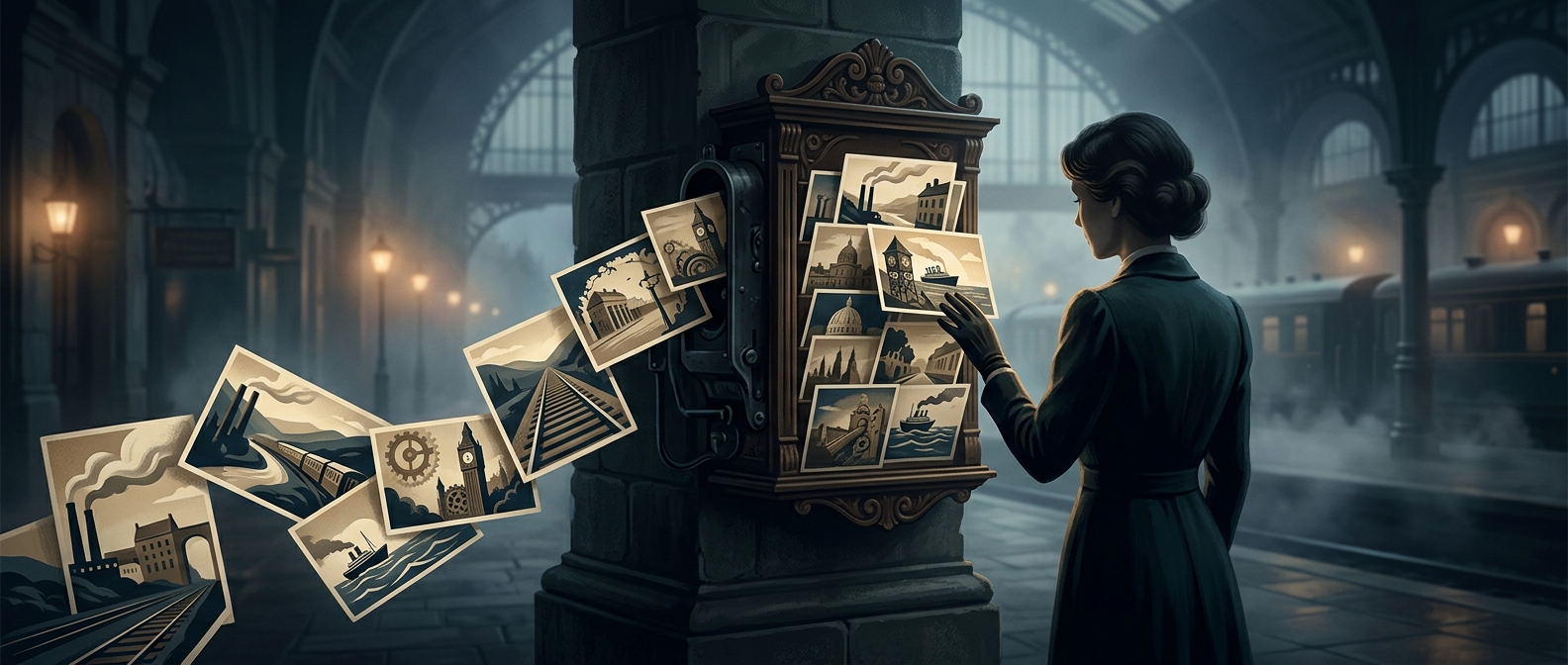
That same open format worked for ordinary correspondence. The sender had room for an address and a short message, while the card’s other side could show a place, a view, or an illustration. As people adopted postcards for quick notes, the format’s commercial usefulness and its personal appeal began to overlap.
A postcard could promote a destination and let someone send a few words from it at the same time. Its enduring trick was turning a cheap piece of advertising mail into something a recipient might choose to save.