How one young reader changed a publisher’s view
A publisher deciding whether to take on a novel is making two judgments at once: whether the story works, and whether the company can find readers for it. Those judgments are related, but they are not identical. An editor may admire a manuscript and still doubt its audience, while a book that looks commercially uncertain can become compelling once someone responds to it as a reader rather than as a business proposition.
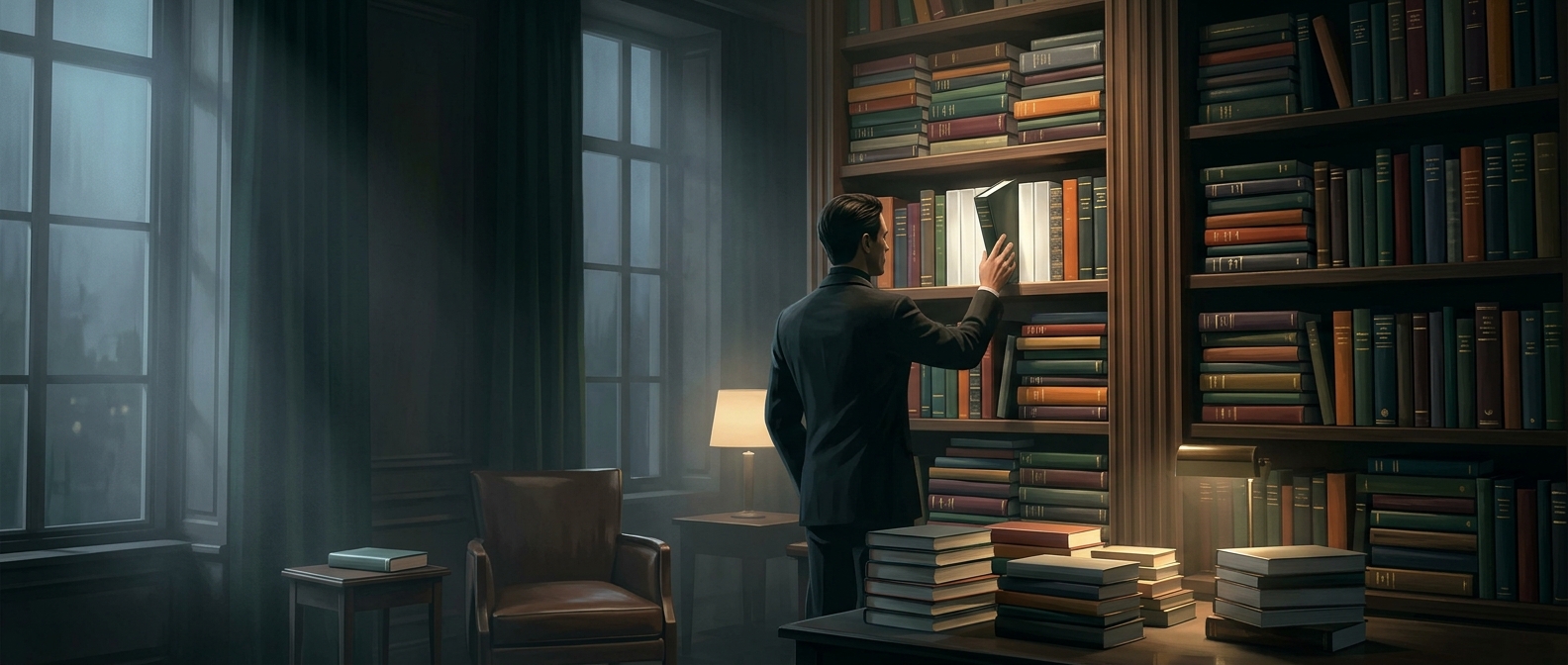
That distinction helps explain why Bloomsbury’s chairman sharing the Harry Potter manuscript with his eight-year-old daughter mattered. Her request to keep reading offered a direct, simple signal: the story had held the attention of someone close to its intended audience. It was not a sales forecast or proof that the book would succeed, but it gave the chairman a reason to look beyond the doubts reflected in the earlier rejections.
Rejection is a decision, not a final verdict
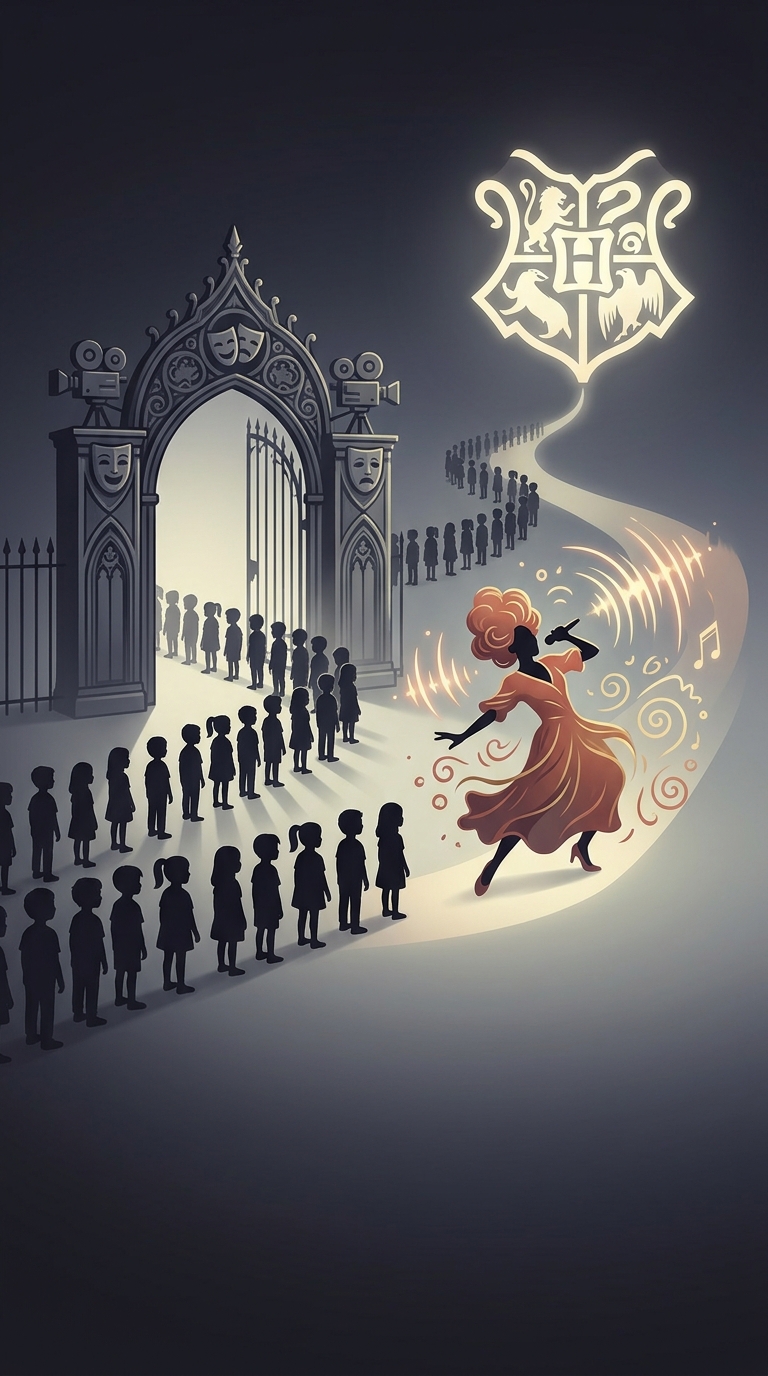
Twelve publishers passing on the manuscript shows how uncertain publishing judgments can be. A rejection usually reflects a particular company’s assessment at a particular moment—not an objective ruling that a book has no readers. Publishers have limited space, budgets, and attention, so they must choose which uncertain projects to back.
The striking part of this story is not that a child could predict a blockbuster. It is that one genuine response from a young reader helped make the manuscript’s appeal tangible to a decision-maker. Before a book has an audience, that kind of response can be one of the clearest signs that the story is reaching the people it was written for.