Why streaming-stick software outgrows its hardware
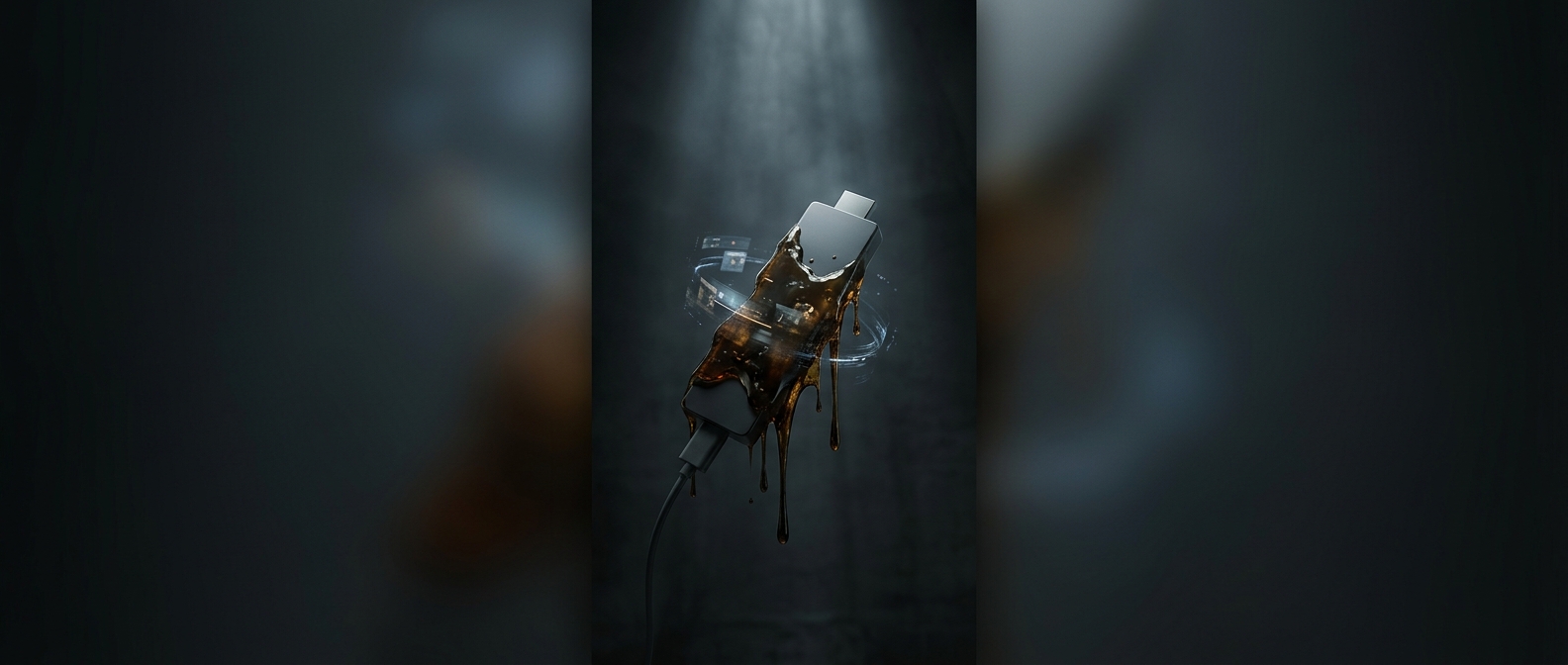
A streaming stick is a small computer with tight limits on memory, storage, and processing power. When it is new, its operating system and apps are designed around those limits. Over time, updates can add features, change how menus are built, or require newer versions of shared software. Each change may be modest, but together they can leave less room for the work the device must do just to respond.
A menu is not always a simple, static screen. The stick may be loading artwork, recommendations, account details, and app information while also listening for remote-control input. If it has little spare memory, it may have to repeatedly move data in and out of storage. That juggling takes time, so a button press can feel delayed even when the processor has not failed.
Why a restart may help—but not restore the original speed
Restarting clears temporary working data and stops tasks that may have become stuck, which can make the device feel snappier for a while. But it cannot give the stick more memory or make its processor faster. Nor can it undo the demands of software that has grown beyond the workload the hardware handled comfortably when it launched.
That creates an awkward tradeoff: updates can keep apps compatible and fix problems, while the same device’s limited resources leave less headroom for new software. Unlike a desktop computer, a streaming stick usually cannot be upgraded piece by piece. Eventually, the practical limit may show up in the most ordinary place—not during a demanding video, but while navigating the home screen.