The wake word is a gate, not an on-off switch
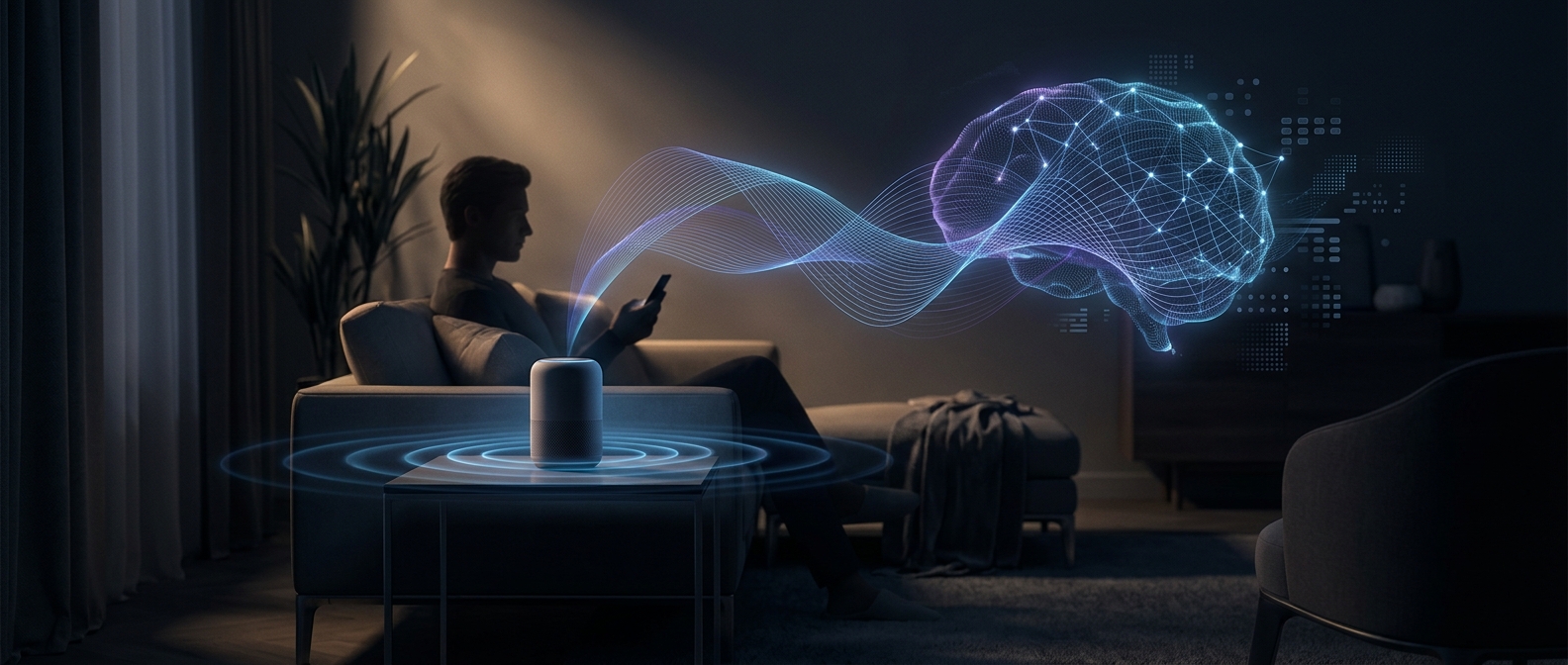
A smart speaker has to listen for its wake word—such as “Alexa” or “Hey, Google”—before it can respond. Many devices look for that phrase using software on the speaker itself, rather than continuously sending all room audio to the internet. To do that, the device keeps analyzing sound, often using a short rolling buffer that is overwritten as new audio arrives.
The weak point is recognition. A similar-sounding word, a television, or overlapping voices can resemble the wake phrase closely enough to trigger the next step. The speaker may then treat nearby speech as part of a request and transmit that segment for processing. The mistake can be an ordinary conversation, not a deliberate command.
Better recognition has a privacy cost
Voice services are valuable when they understand different accents, speaking styles, and noisy rooms. Audio that users permit companies to use can help reveal where recognition systems fail, allowing them to improve. That creates a practical tradeoff: more real-world examples can make a service more reliable, while recordings also expose fragments of life that were never intended as instructions.
What happens to a clip depends on the product and its settings. Some services offer controls for deleting recordings or limiting their use for improvement; the available choices vary. The useful habit is to check those controls rather than assume that a speaker’s microphone behavior and its cloud-recording policy are the same thing. A false wake-up is brief, but it can turn an unnoticed household remark into data handled outside the home.