A closer look
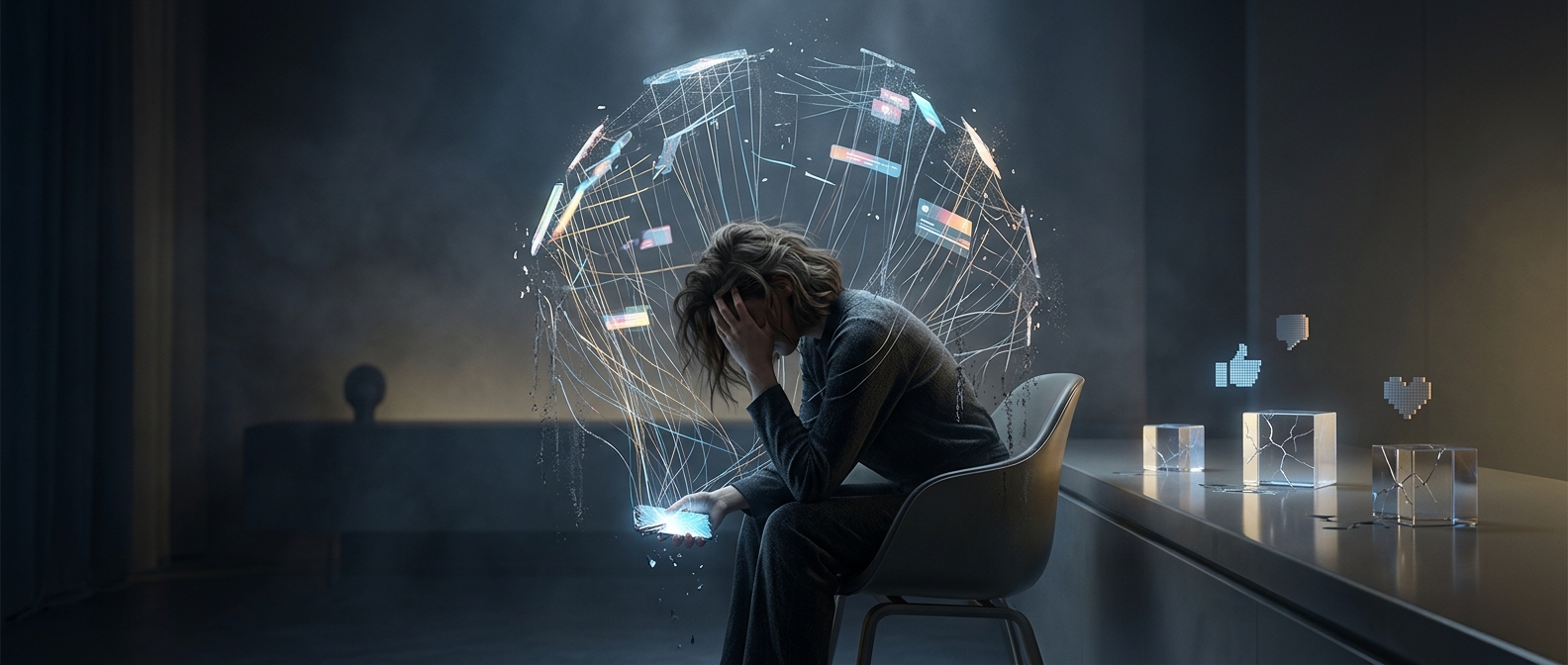
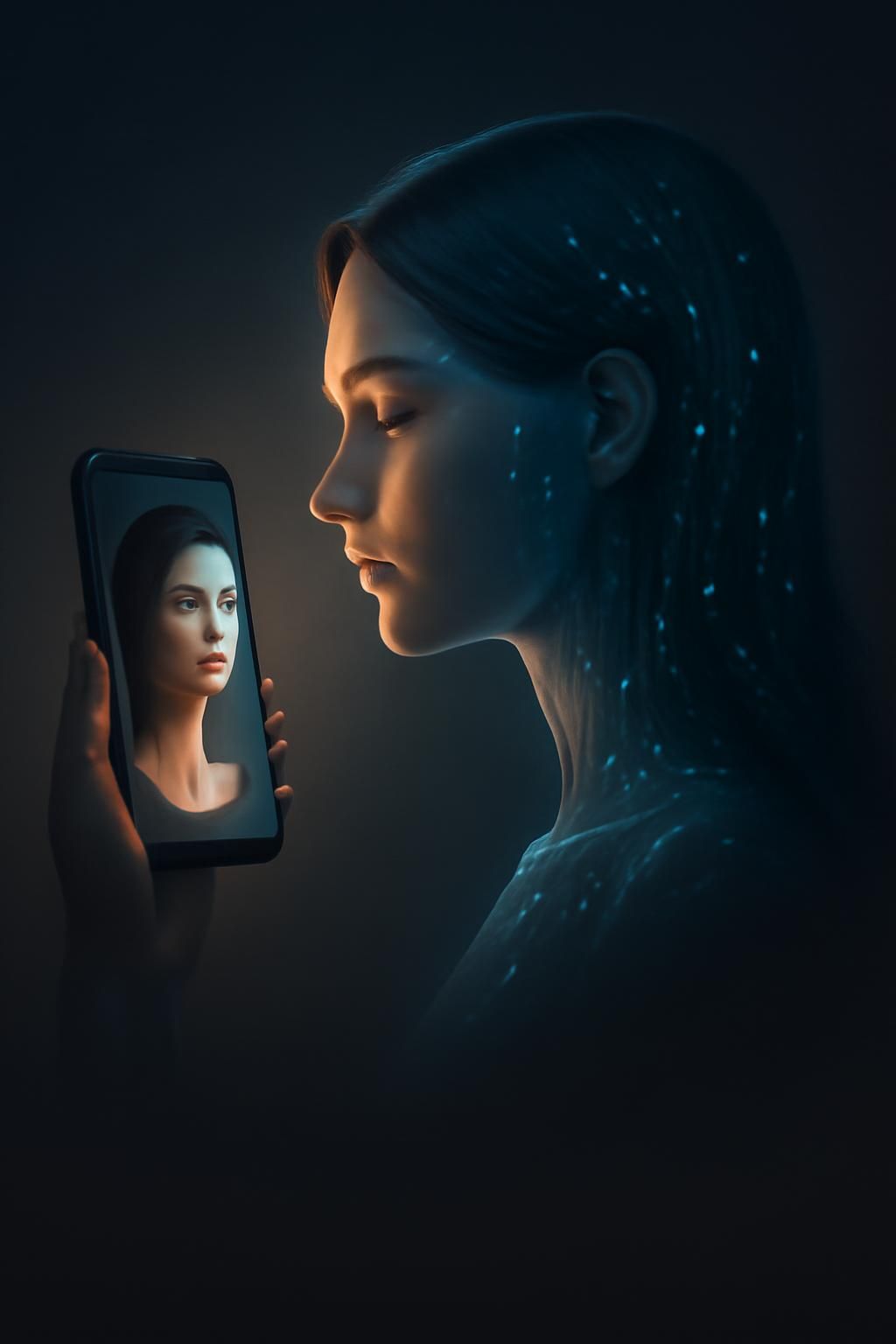
Some of the “people” you follow online are not people at all, and their perfection is exactly what makes them profitable. AI-generated influencers and heavily filtered avatars are gaining real brand deals, fan pages, and parasocial relationships, despite never needing sleep, food, or privacy. They never age, never get embroiled in messy scandals unless their creators script it, and can be instantly rebranded if public taste changes. For lonely viewers, chatting with a flawless, always-available virtual companion can feel safer than dealing with unpredictable humans. Yet the emotional wiring is the same: your brain bonds with faces and voices, even synthetic ones. As these characters become more interactive, the risk isn’t robots “taking over”; it’s people investing their limited empathy into entities that can never genuinely reciprocate. The line between entertainment and emotional exploitation is getting thinner with every hyper-realistic smile.