A character built to fit the frame
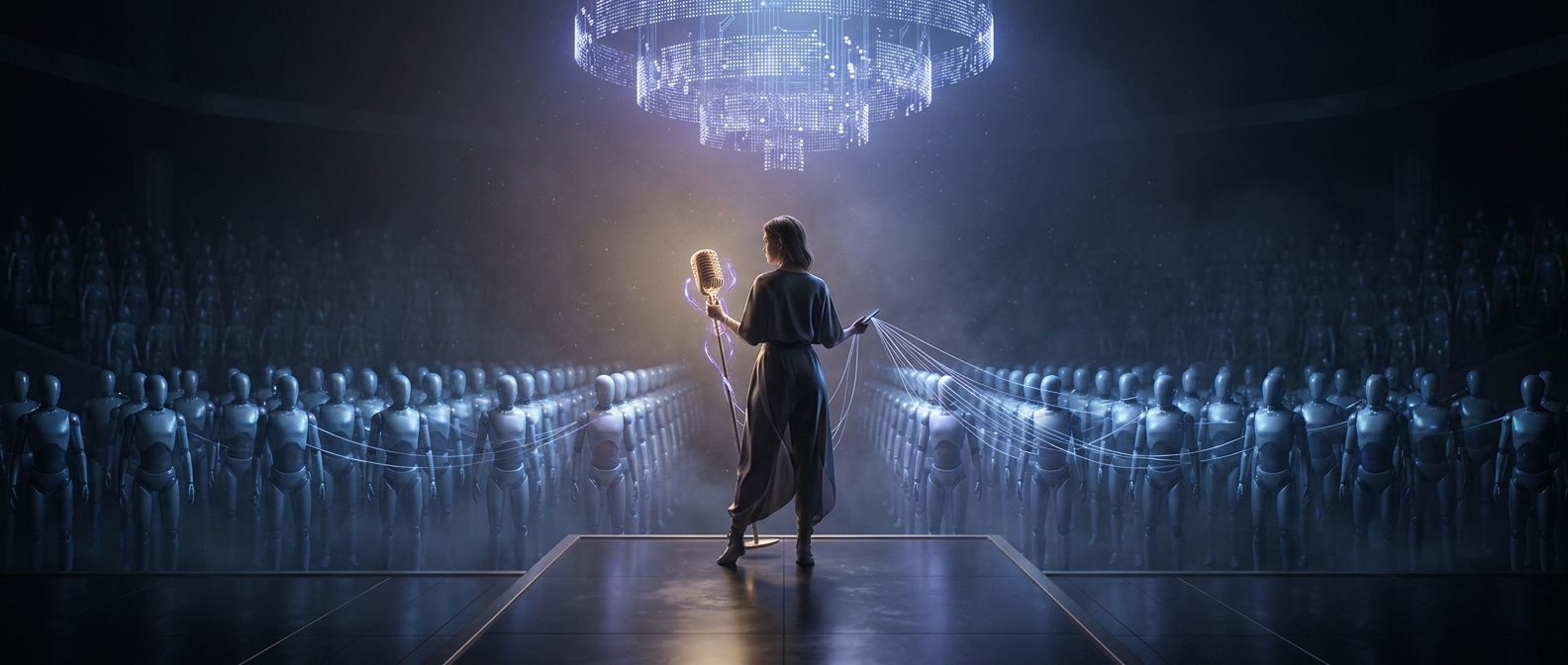
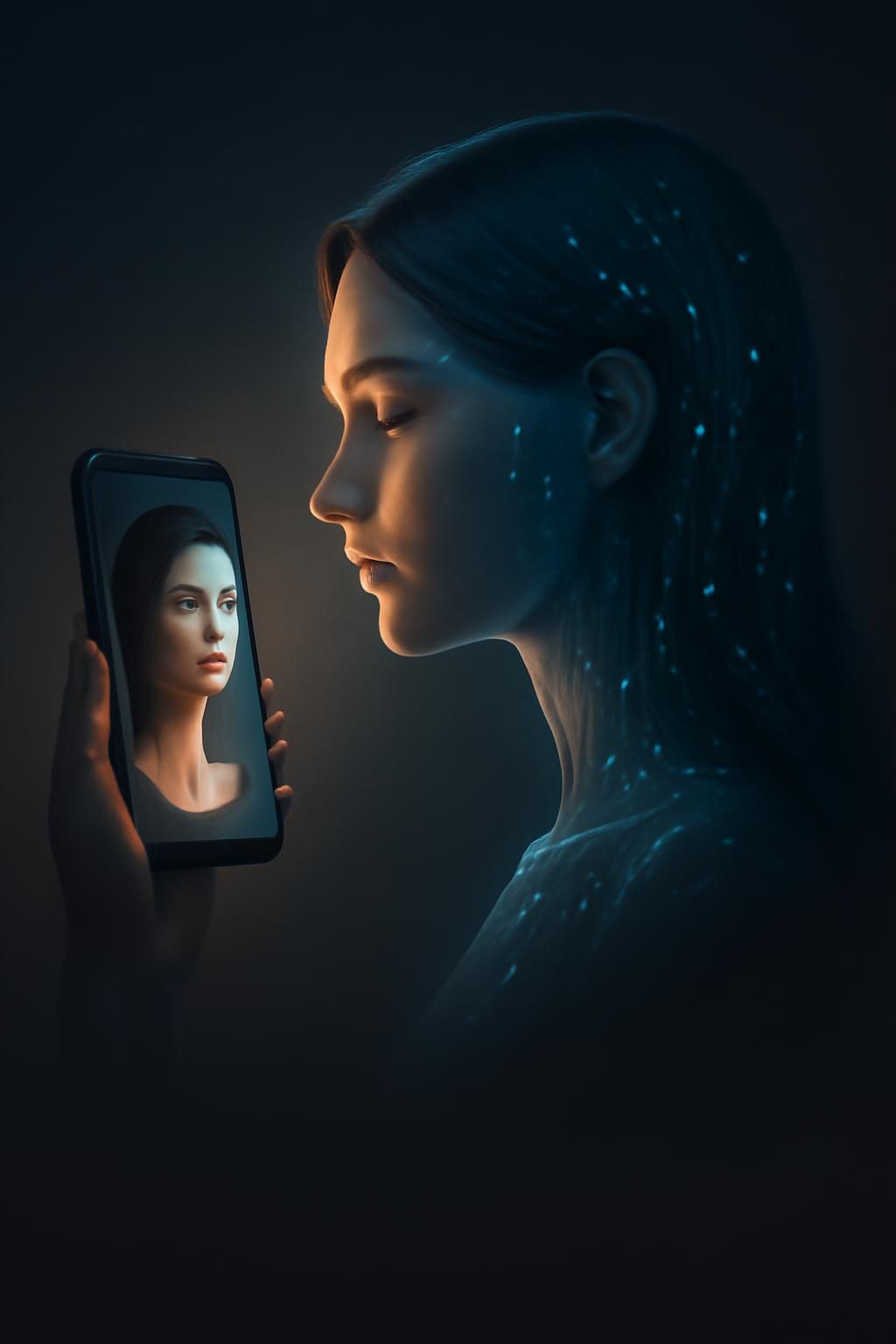
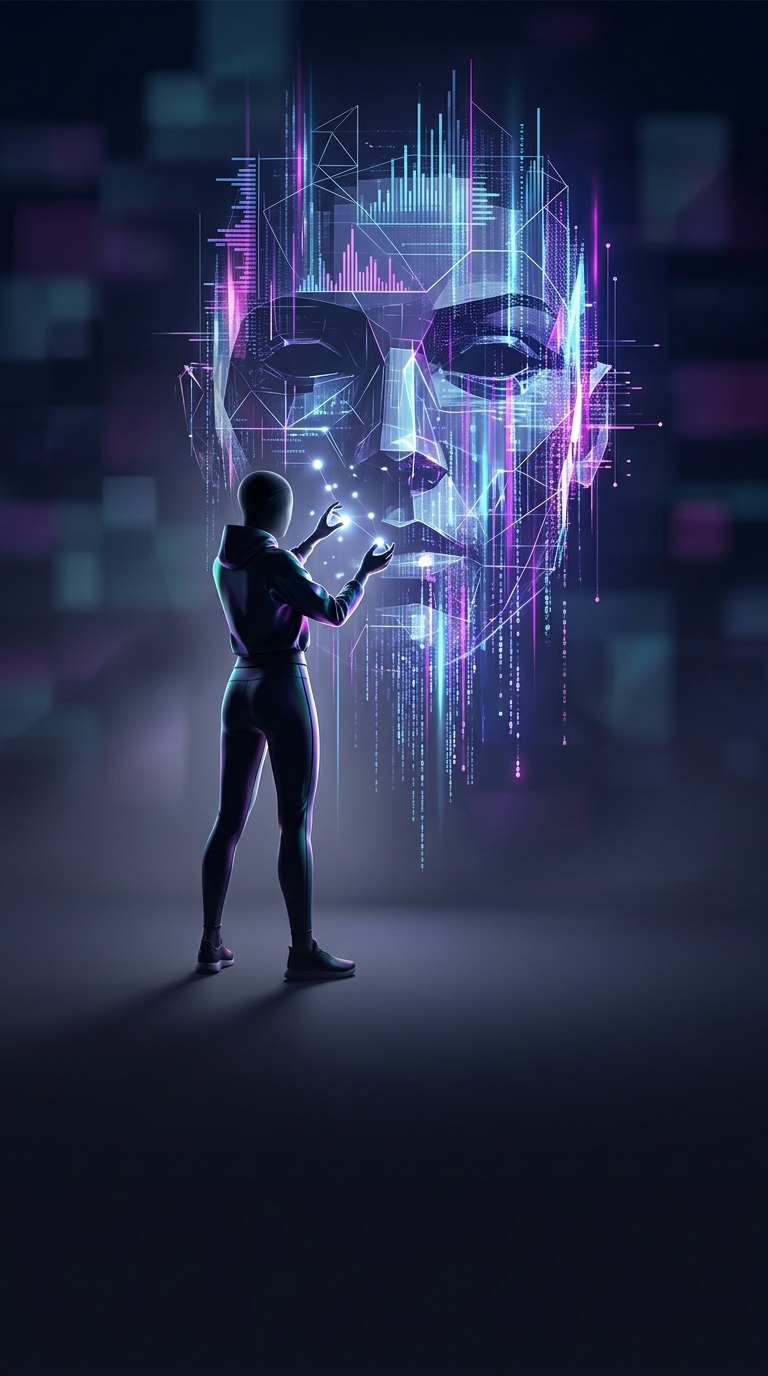
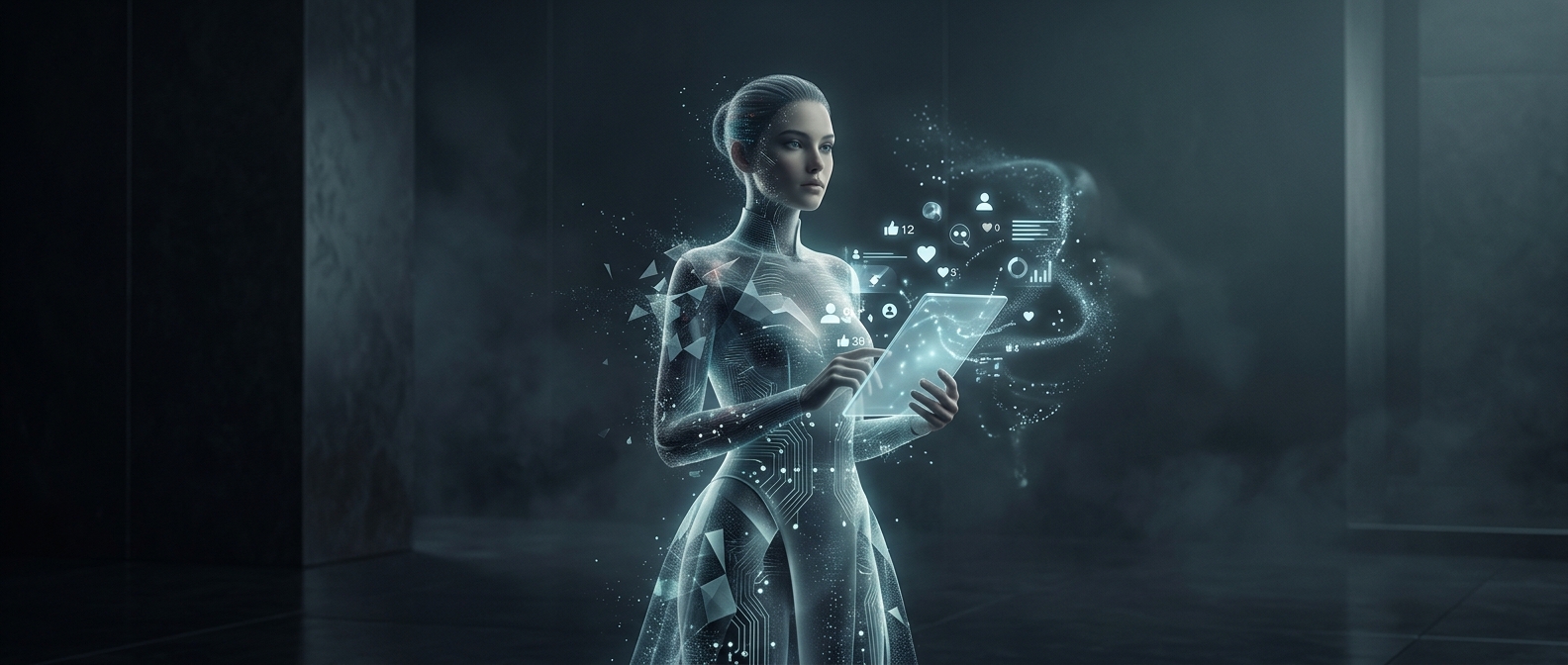
A virtual influencer is less like a camera pointed at a person and more like a character produced across many departments. Artists model the face and body in 3D, then pose and light that digital figure to resemble a familiar social-media photo. To place the character in a real setting, a team can photograph the location and build the digital image around that background, matching the perspective, shadows, and color so the person appears to belong there.
That workflow offers a kind of control ordinary photography cannot: the character’s appearance can stay consistent, and a scene can be revised without arranging a new shoot. But consistency takes work. Someone must decide how the character moves, dresses, reacts, and speaks from post to post; without those choices, the profile risks feeling like a collection of unrelated renders rather than one recognizable persona.
The audience supplies the other half
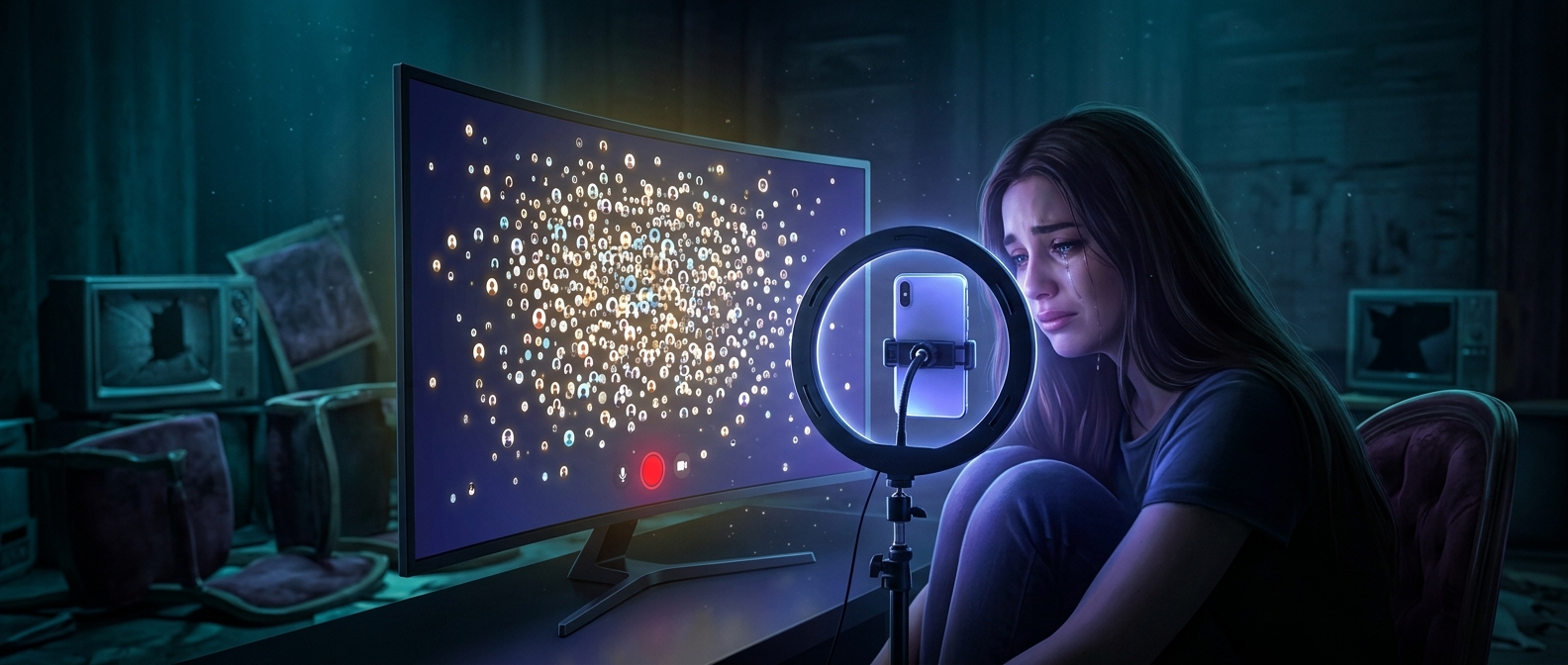
The finished image is only part of the performance. Captions, comments, and recurring details give followers cues about who the character is and what sort of life the profile presents. The account may look personal, but its voice and public image are shaped by the people producing it.
That creates a distinctive exchange: followers can respond to a fictional figure as a social presence, while the production team can adjust the character’s presentation with unusual precision. The influencer is digital; the attention, conversation, and expectations surrounding the account are real.