How Gellért Baths brought waves inland
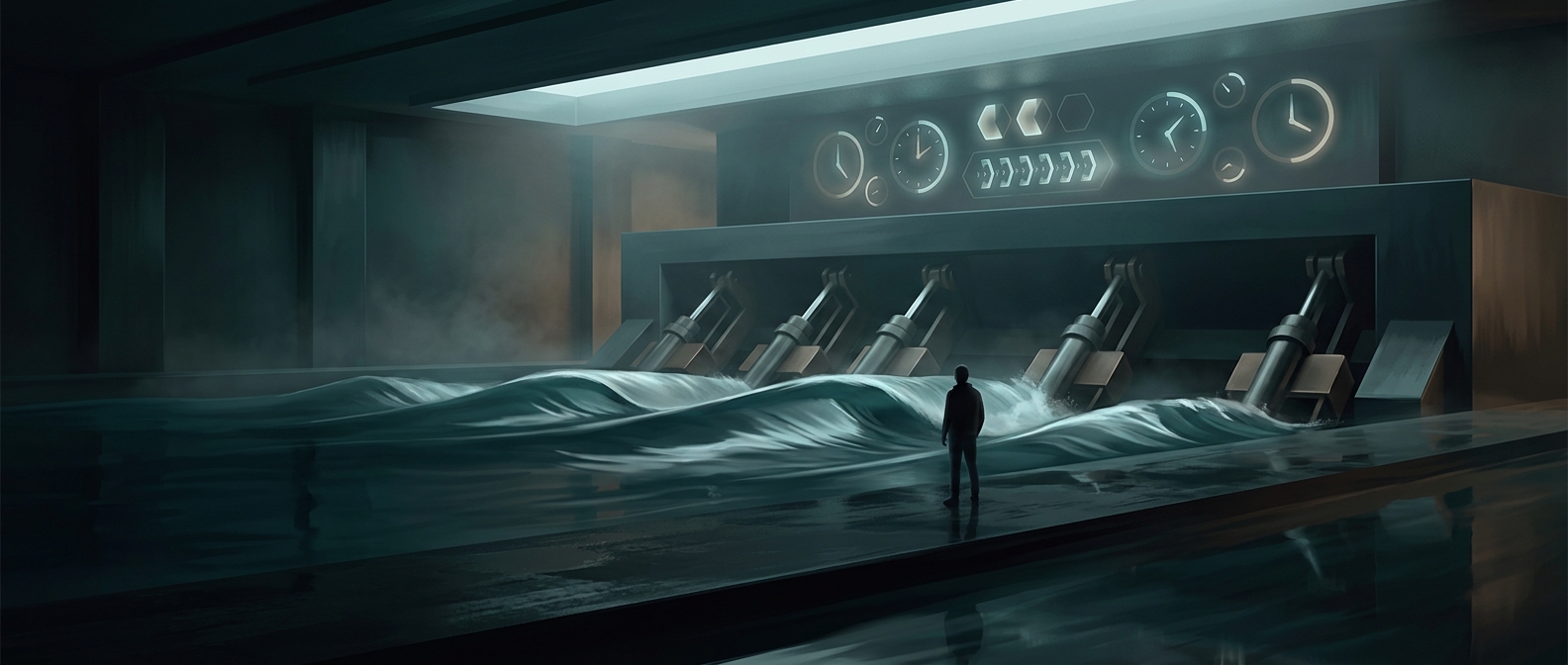
In 1927, Budapest’s Gellért Baths added something a conventional swimming pool could not offer: moving water. A mechanized system set the pool water rolling, creating artificial waves in a city far from the sea. The key change was not simply a new pool shape; it was using machinery to make water behave differently on demand.
A machine turned still water into an attraction
The system churned the water to produce waves, giving bathers a more seaside-like experience without requiring a natural shoreline. Instead of waiting for wind or weather, visitors could enter a pool where motion was part of the design. That made the wave pool a kind of mechanical entertainment: engineering supplied the spectacle, while the familiar act of swimming became more playful.
Gellért’s pool showed how a public bath could offer more than a place to swim or soak. It could create a landscape that a landlocked city did not have naturally. The memorable twist is that Budapest’s “seaside” was powered by machinery, with waves generated inside a bathhouse.