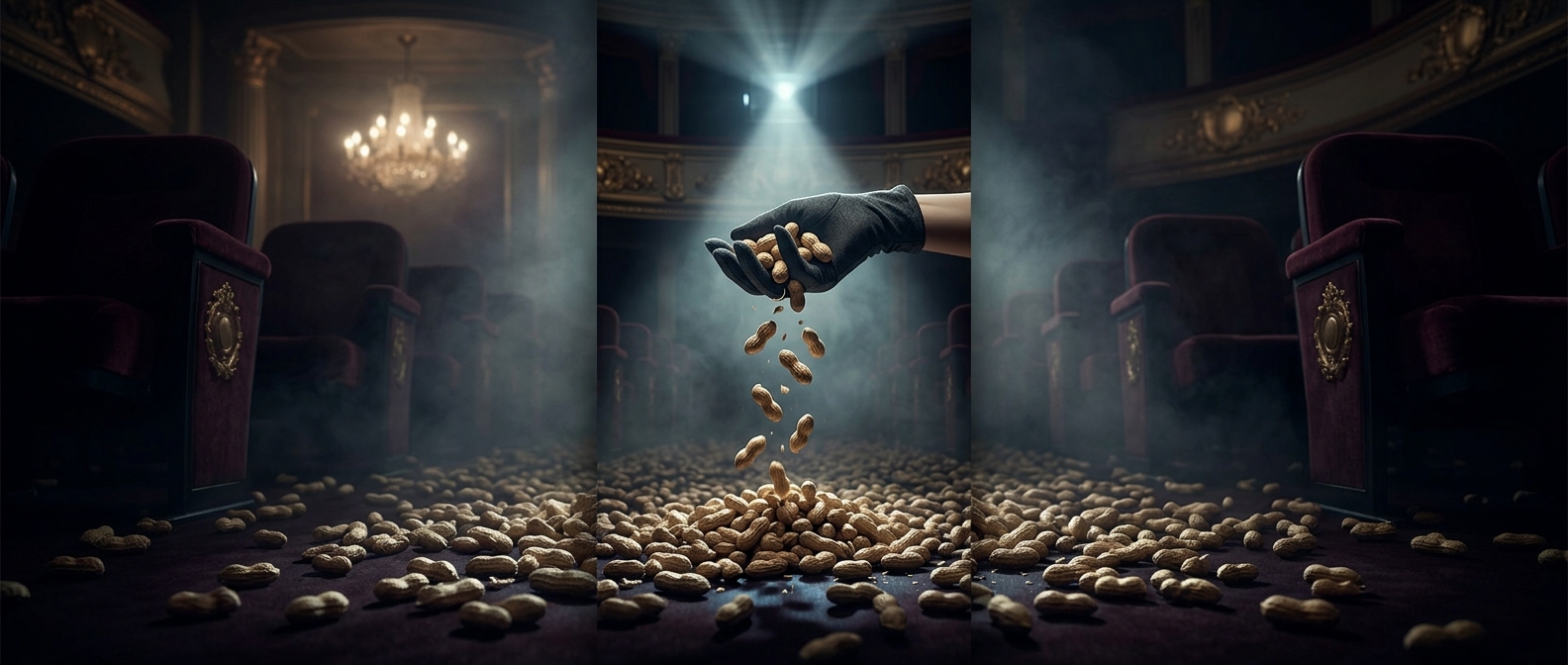
A snack that left its mark on the theater
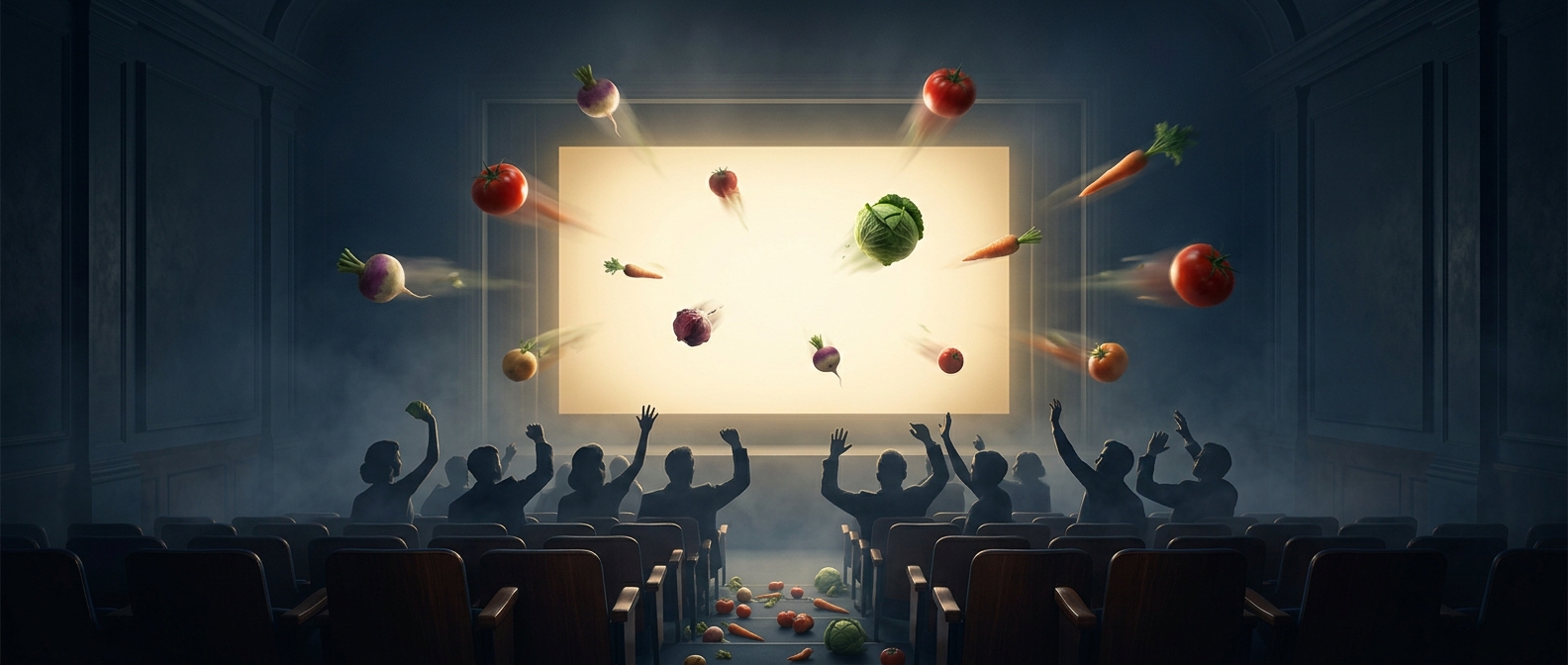
Peanuts suited a night at the movies: they were easy to carry, needed no plate, and could be eaten slowly while the screen held the audience’s attention. But unlike a tidy wrapper, a peanut came with a hard shell. Once cracked, it had to go somewhere—and the floor was the convenient place.
That turned the theater into a surprisingly noisy space. Silent films had no recorded dialogue, but screenings were not necessarily quiet: musicians might play along, and audiences reacted to the action. The brittle snap of shells added its own sound, while discarded pieces accumulated under seats and in aisles. In theaters of the period, cleaning up after a show was part of the cost of serving snacks.
Why popcorn displaced the shells
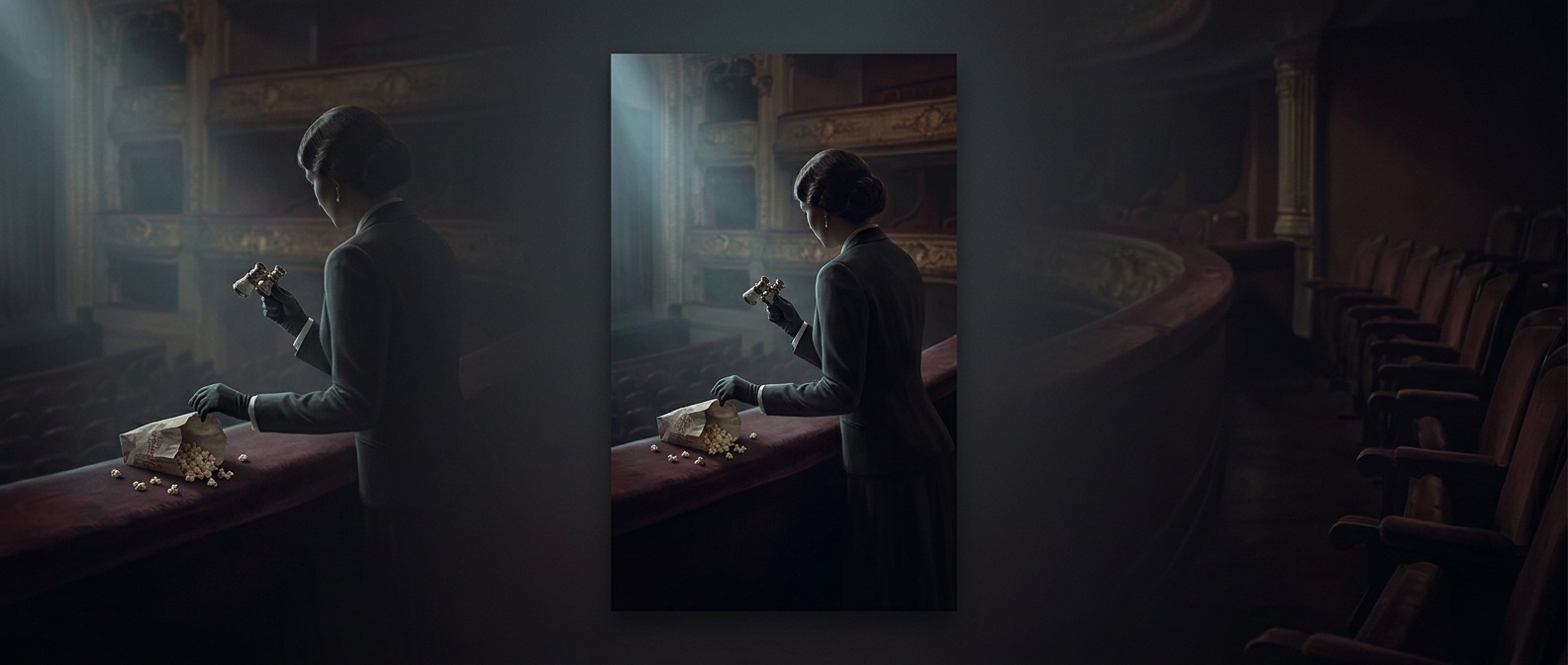
Popcorn offered theater owners a different bargain. It was inexpensive, could be made in large batches, and its smell helped advertise it to people nearby. In the early years, vendors often sold it outside theaters; as cinema operators began selling concessions themselves, popcorn became a dependable source of extra income.
The change was not simply a matter of one snack being quieter than another. Popcorn was easy to portion and sell, and it left no pile of shells for patrons to scatter across the floor. The transition helped make eating in the auditorium feel ordinary—and turned a movie snack into part of the theater business.